Israel Lebanon Ceasefire: 7 Shocking Trump Signals
The Israel Lebanon ceasefire debate is rapidly becoming one of the most critical geopolitical developments of 2026, as new signals from U.S. President Donald Trump suggest a shift in tone—but not necessarily in policy.
While Washington has stopped short of formally demanding a ceasefire, recent diplomatic moves, backchannel talks, and public statements indicate growing momentum toward de-escalation. However, the situation remains complex, volatile, and deeply tied to broader regional tensions involving Iran.
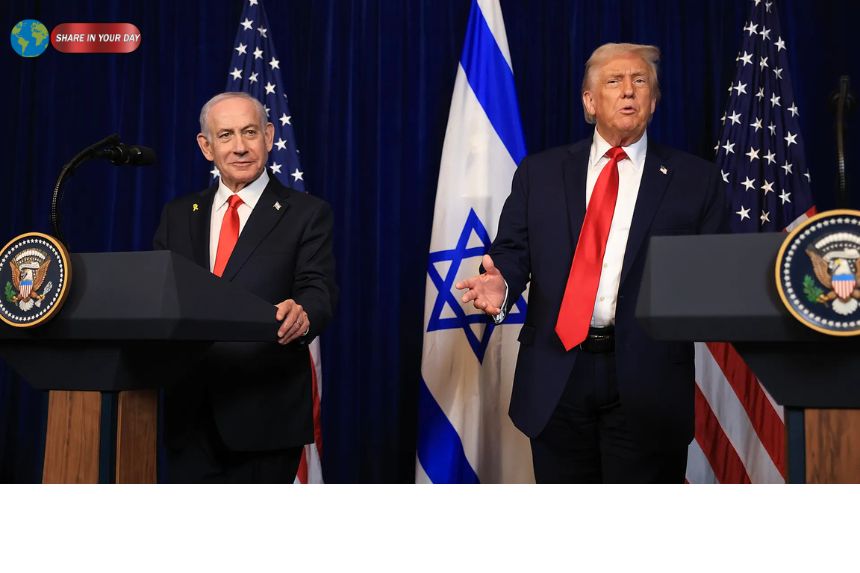
A Ceasefire the U.S. “Welcomes”—But Won’t Push
At the center of the current developments is a nuanced position from the Trump administration. According to U.S. officials, Trump would “welcome” an Israel Lebanon ceasefire, but has not officially pressured Israel to pursue one.
This distinction matters. On one hand, it signals openness to peace. On the other, it underscores Washington’s continued support for Israel’s military autonomy.
In practice, this means:
- The U.S. is not imposing diplomatic pressure on Israel
- Any ceasefire must emerge organically between Israel and Lebanon
- Washington remains strategically supportive, but not directive
This approach reflects a balancing act between diplomacy and alliance politics.
Why Lebanon Is Not Included in the Iran Ceasefire
A key source of confusion—and tension—is the separation between the Israel-Lebanon conflict and the broader U.S.-Iran ceasefire framework.
Despite expectations from some international actors, Lebanon is not officially part of the Iran ceasefire deal.
Israel has explicitly argued that:
- Its military operations in Lebanon are independent of Iran negotiations
- Hezbollah remains an active threat requiring continued action
This position has led to a paradox:
Even as a ceasefire holds in one theater, active combat continues in another.
Ongoing War: Strikes, Rockets, and Rising Casualties
Despite diplomatic progress, the reality on the ground remains harsh. The Israel Lebanon conflict has intensified in recent weeks, with devastating consequences.
Reports indicate:
- Over 2,000 deaths in Lebanon since the escalation began
- More than 1.2 million people displaced
- Continuous exchanges of airstrikes and rocket attacks
Israel has expanded its operations in southern Lebanon, targeting Hezbollah positions and attempting to establish a buffer zone. Meanwhile, Hezbollah continues launching rockets into northern Israel.
This ongoing violence highlights a central contradiction:
Peace talks are advancing while war continues in parallel.
Rare Diplomatic Breakthrough: Direct Talks Begin
In a surprising development, Israeli and Lebanese officials have engaged in direct talks for the first time in decades.
The meeting, hosted by U.S. Secretary of State Marco Rubio, marks a historic step forward.
Key discussion points include:
- Establishing a ceasefire framework
- Defining border security arrangements
- Addressing the disarmament of Hezbollah
Although no agreement has been reached yet, the talks signal a willingness—however fragile—on both sides to explore diplomatic solutions.
Trump’s Broader Strategy: Linking Conflicts Without Merging Them
Trump’s approach appears to be strategic rather than reactive. While the Israel Lebanon ceasefire is not formally tied to Iran negotiations, the two issues are clearly influencing each other.
Recent developments show:
- Progress in U.S.-Iran talks could create conditions for wider peace
- A Lebanon ceasefire would strengthen Trump’s regional diplomacy
- Separate negotiations allow greater flexibility in deal-making
In essence, the U.S. is pursuing a multi-track strategy—handling each conflict independently while leveraging progress in one area to influence another.
Political Pressure Inside Israel
Any potential Israel Lebanon ceasefire faces significant political hurdles within Israel itself.
Prime Minister Benjamin Netanyahu is navigating:
- Pressure to continue military operations against Hezbollah
- Concerns about national security and deterrence
- Internal divisions over whether a ceasefire would signal weakness
At the same time, Israeli officials have acknowledged ongoing discussions about a possible ceasefire.
This internal debate makes any agreement politically sensitive and difficult to finalize.
Hezbollah: The Core Obstacle
No discussion of the Israel Lebanon ceasefire is complete without addressing Hezbollah.
The militant group remains:
- A central military target for Israel
- A political force within Lebanon
- A key proxy actor linked to Iran
Israel insists that any long-term agreement must include Hezbollah’s disarmament, while Lebanon faces internal divisions over how to handle the group.
This fundamental disagreement represents one of the biggest barriers to peace.
What Happens Next?
Looking ahead, several scenarios could shape the future of the Israel Lebanon ceasefire:
1. Gradual De-escalation
Continued talks could lead to a limited ceasefire agreement, potentially focused on border areas.
2. Expanded Regional Deal
Progress in Iran negotiations might indirectly push both sides toward compromise.
3. Prolonged Conflict
If talks stall, the current pattern of ongoing war alongside diplomacy may persist.
4. Historic Breakthrough
Though unlikely in the short term, direct talks could evolve into a long-term peace framework.
The Bigger Picture: A Region in Transition
The Israel Lebanon ceasefire debate is about more than just two countries. It reflects a broader transformation across the Middle East.
Key trends include:
- Increasing U.S. diplomatic involvement
- Shifting alliances and regional power dynamics
- Growing urgency to prevent a wider war involving Iran
At the same time, the situation remains highly unstable. A single escalation could derail diplomatic progress and reignite broader conflict.
Conclusion: A Fragile Opportunity for Peace
The current moment represents a rare but fragile opportunity.
On one side, there is:
- Active diplomacy
- Direct talks
- Signals of openness from global powers
On the other:
- Ongoing military operations
- Deep political divisions
- Unresolved structural conflicts
The Israel Lebanon ceasefire is no longer a distant possibility—but it is far from guaranteed.
For now, the world is watching closely as diplomacy and war unfold side by side, each shaping the future of the region in real time.