
Spirit Airlines Bailout Shocking Warning: 5 Key Risks
The debate over a potential Spirit Airlines bailout is intensifying after prominent investor Kevin O’Leary issued a stark warning against government intervention. As discussions unfold in Washington, the controversy highlights deeper questions about capitalism, market discipline, and the role of taxpayers in rescuing struggling corporations.
Spirit Airlines, long known for its ultra-low-cost business model, now faces mounting financial pressure. However, whether it should receive federal support remains deeply contested.
A Crisis Point for Spirit Airlines
Spirit Airlines has been navigating a turbulent financial landscape marked by rising fuel costs, operational challenges, and fierce competition. The airline’s difficulties have led to renewed discussions about a possible Spirit Airlines bailout, reportedly involving hundreds of millions of dollars in federal assistance.
Supporters argue that intervention could stabilize the company and protect thousands of jobs. Meanwhile, critics warn that such action could distort the market and set a dangerous precedent.
The stakes are high. Spirit plays a key role in the budget travel segment, offering lower fares that pressure competitors to keep prices competitive. Therefore, its collapse could have ripple effects across the airline industry.
Kevin O’Leary’s Strong Opposition
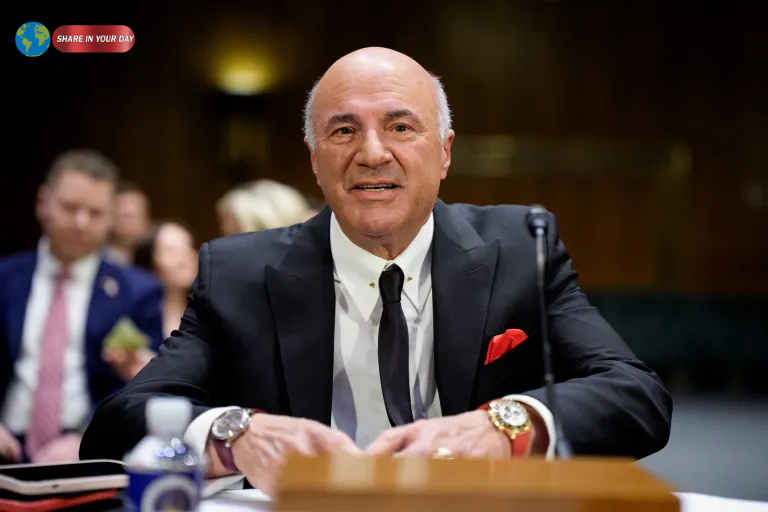
Kevin O’Leary, a well-known investor and television personality, has emerged as one of the most vocal critics of the proposed Spirit Airlines bailout. He described the idea as a “really bad” policy decision, emphasizing that failing companies should not rely on taxpayer support.
According to O’Leary, capitalism depends on allowing unsuccessful businesses to exit the market. In his view, government intervention undermines this fundamental principle.
He argues that struggling companies should instead be restructured through private investment or bankruptcy processes. This, he says, ensures that only efficient and competitive businesses survive.
Why the Bailout Is So Controversial
The Spirit Airlines bailout debate goes beyond one company. It touches on broader economic philosophies and policy priorities.
1. Market Discipline vs. Government Intervention
Critics believe that bailouts weaken market discipline. When companies expect government support, they may take excessive risks. Over time, this can lead to inefficiencies and reduced innovation.
On the other hand, supporters argue that the airline industry is unique. External shocks—such as pandemics or fuel price spikes—can disrupt even well-managed companies. In such cases, temporary assistance may be justified.
2. Taxpayer Burden
Another major concern is the cost to taxpayers. A Spirit Airlines bailout would likely involve public funds, raising questions about whether it is fair to use taxpayer money to rescue a private company.
Opponents argue that this shifts financial risk from investors to the public. Meanwhile, proponents counter that preventing job losses and economic disruption can ultimately benefit taxpayers.
3. Precedent for Future Bailouts
A bailout could set a precedent for future interventions. If Spirit receives support, other struggling companies may expect similar treatment.
This concern is particularly significant in industries facing structural challenges. Critics worry about a cycle of repeated bailouts that could strain public finances.
The Case for Saving Spirit Airlines
Despite the criticism, there are strong arguments in favor of a Spirit Airlines bailout.
Protecting Jobs
Spirit Airlines employs thousands of workers. A sudden collapse could lead to widespread job losses, affecting not only employees but also their families and local economies.
Maintaining Competition
Spirit’s low-cost model plays a crucial role in keeping airfares affordable. Without it, larger airlines could face less pressure to offer competitive pricing.
As a result, consumers—especially budget travelers—might face higher ticket prices.
Avoiding Industry Disruption
The airline industry is highly interconnected. A major airline’s failure can disrupt routes, supply chains, and airport operations.
Supporters argue that a Spirit Airlines bailout could prevent these disruptions and ensure continuity in air travel services.
Lessons from Past Bailouts
The United States has a history of intervening during crises. For example, the government provided support to airlines after the September 11 attacks and during the COVID-19 pandemic.
However, those situations were fundamentally different. They involved systemic shocks affecting the entire industry, not just a single company.
In contrast, the current Spirit Airlines bailout discussion centers on one airline’s financial struggles. This distinction has fueled much of the opposition.
What Happens If Spirit Fails?
If no bailout is approved, Spirit Airlines could face bankruptcy or liquidation. While this scenario may seem drastic, it does not necessarily mean the end of its assets or operations.
In many cases, failing companies are restructured or acquired by competitors. This process can preserve jobs and services, albeit under different management.
O’Leary and other critics argue that this market-driven approach is more sustainable than a government-funded Spirit Airlines bailout.
Political and Economic Implications
The debate has also taken on political dimensions. Policymakers must balance competing priorities, including economic stability, fiscal responsibility, and public perception.
Some lawmakers support intervention to protect jobs and consumers. Others oppose it on ideological grounds, emphasizing free-market principles.
The outcome of the Spirit Airlines bailout debate could influence future policy decisions, particularly in industries facing financial stress.
The Broader Economic Picture
At its core, the Spirit Airlines bailout controversy reflects a broader tension within modern economies. Governments must decide when to intervene and when to let market forces take their course.
Too much intervention can lead to inefficiency and moral hazard. Too little can result in economic disruption and social hardship.
Finding the right balance is a persistent challenge for policymakers.
Conclusion: A Defining Moment
The Spirit Airlines bailout debate is more than a corporate rescue story. It is a test of economic philosophy and public policy.
Kevin O’Leary’s warning underscores the risks of government intervention. However, supporters highlight the potential benefits of protecting jobs and maintaining competition.
As the situation unfolds, the decision will likely have lasting implications—not only for Spirit Airlines but also for the broader economy.
In the end, the question remains: should governments step in to save struggling companies, or should they allow the market to decide their fate?