
Alex Cora Phillies Offer Revealed After Red Sox Exit
The Alex Cora Phillies offer has quickly become one of the most shocking developments in Major League Baseball this season. Just hours after being dismissed by the Boston Red Sox, Cora was already the top target for another franchise.
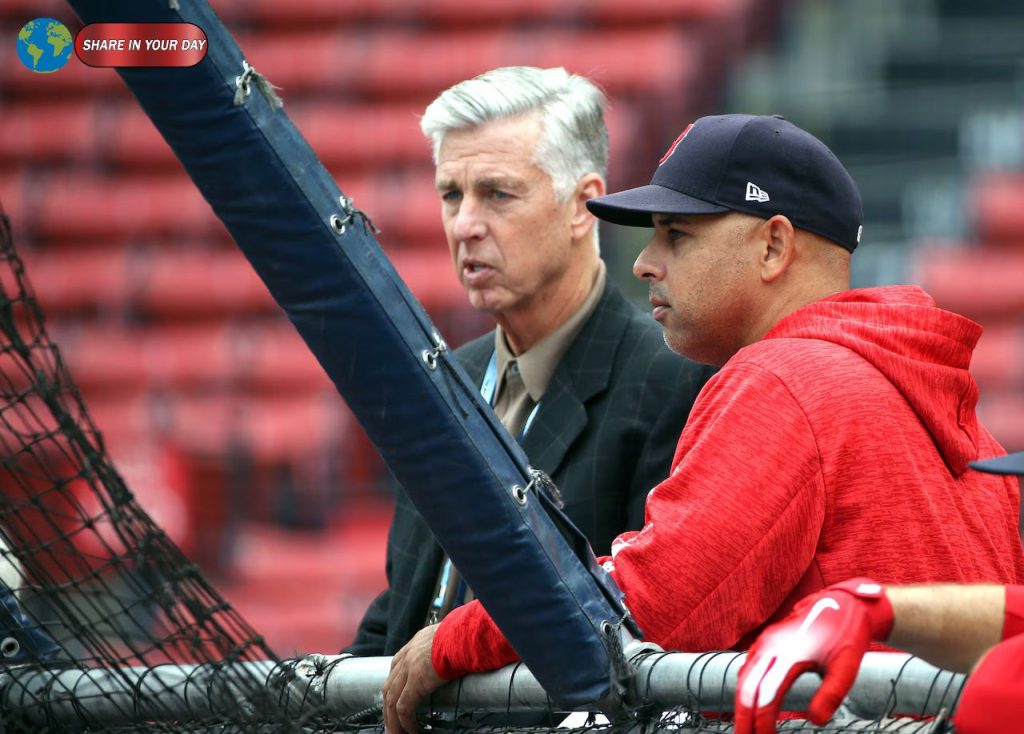
According to multiple reports, Philadelphia Phillies president of baseball operations Dave Dombrowski reached out to Cora within 24 hours of his firing, attempting to bring him in as the team’s next manager.
The speed of the move highlights not only Cora’s reputation across the league but also the urgency surrounding the Phillies’ disappointing start to the 2026 season.
A Stunning 24-Hour Turnaround
The timeline behind the Alex Cora Phillies offer is what makes the story so remarkable.
Cora, who had just been let go by the Red Sox following a poor start, barely had time to process his exit before another opportunity surfaced. Dombrowski reportedly contacted him almost immediately, even before making a final decision on the Phillies’ current manager at the time.
In fact, Dombrowski admitted he was prepared to make a managerial change if Cora accepted the role. That level of commitment shows how highly the executive values Cora’s leadership.
“I thought he might take it,” Dombrowski said, explaining that discussions took place over the course of a day before Cora ultimately declined.
Why the Phillies Wanted Cora So Quickly
The Phillies’ aggressive pursuit was driven by both performance and familiarity.
At the time, the team was struggling with a 9–19 record, placing them among the worst teams in baseball. Their underperformance, despite a high payroll and star-studded roster, created mounting pressure on the organization to act fast.
Dombrowski saw Cora as the ideal solution for several reasons:
1. Proven Championship Pedigree
Cora led the Red Sox to a World Series title in 2018, one of the most dominant seasons in MLB history.
2. Existing Relationship
Dombrowski and Cora share a strong professional bond. Dombrowski was the executive who originally hired Cora in Boston, and the two worked closely during their championship run.
3. Immediate Credibility
Bringing in a respected manager like Cora could have stabilized the clubhouse and reignited the team’s playoff hopes.
Because of these factors, the Alex Cora Phillies offer wasn’t just a casual inquiry—it was a serious attempt to reshape the franchise midseason.
Why Alex Cora Said No
Despite the opportunity, Cora turned down the Phillies’ offer—and his reasons were not financial or professional.
Instead, the decision came down to personal priorities.
Cora chose to step away from baseball and focus on his family, making it clear that he was not interested in managing for the remainder of the 2026 season.
He reportedly expressed a desire to spend time as a “full-time dad,” a rare move in a league where high-profile managers often jump quickly between jobs.
This decision adds a human dimension to the story. While teams saw urgency, Cora saw an opportunity to pause after years in a high-pressure role.
Phillies Move Forward Without Cora
After Cora declined, the Phillies proceeded with their managerial change anyway.
The team fired Rob Thomson and appointed Don Mattingly as interim manager for the remainder of the season.
Mattingly, a veteran with extensive managerial experience, now faces the challenge of turning around a struggling team. However, many analysts believe his role may only be temporary.
The shadow of the Alex Cora Phillies offer still looms large, especially if the team continues to search for a long-term solution.
A Pattern of Sudden MLB Shakeups
This situation is part of a broader trend across Major League Baseball in 2026.
Within just a few days, multiple managerial changes occurred, including Cora’s firing in Boston and Thomson’s dismissal in Philadelphia.
Such rapid turnover reflects increasing pressure on teams to deliver immediate results. Front offices are less willing to wait through slow starts, even for managers with strong track records.
The Phillies’ willingness to pursue Cora before officially firing Thomson illustrates how proactive—and aggressive—teams have become.
What This Means for Alex Cora’s Future
Even though he declined the Phillies’ offer, Cora’s future in baseball remains bright.
If anything, the Alex Cora Phillies offer proves that he is still one of the most sought-after managers in the game.
Industry insiders believe:
- Multiple teams could pursue him in the offseason
- The Phillies themselves may revisit the idea
- He remains a top-tier candidate for any managerial opening
Reports suggest that Philadelphia could circle back to Cora later in the year, depending on how the season unfolds.
Could the Phillies Try Again?
The possibility of a reunion between Cora and Dombrowski cannot be ruled out.
Their shared history and success make them a natural pairing. If the Phillies fail to improve under Mattingly, the organization may renew its pursuit once Cora is ready to return.
Timing will be the key factor.
Cora has made it clear that 2026 is about family. However, once the offseason arrives, circumstances could change quickly.
The Bigger Picture in MLB
The Alex Cora Phillies offer story highlights several important trends shaping modern baseball:
🔹 Elite Managers Are in High Demand
Top managers rarely stay unemployed for long, especially those with championship credentials.
🔹 Relationships Matter
Dombrowski’s connection with Cora played a major role in how quickly the offer materialized.
🔹 Teams Are Acting Faster Than Ever
Front offices are making bold decisions earlier in the season, rather than waiting for long-term results.
Final Thoughts
The rapid sequence of events surrounding the Alex Cora Phillies offer underscores just how volatile Major League Baseball can be.
Within 24 hours, Cora went from being fired to becoming the top candidate for another team’s managerial position. Yet, instead of jumping at the opportunity, he chose something rarely seen in professional sports—time away.
For the Phillies, the decision to pursue Cora reflects urgency and ambition. For Cora, the decision to decline reflects perspective and personal priorities.
And for the rest of MLB, it serves as a reminder: even in a results-driven league, not every decision is about winning games—sometimes, it’s about life beyond the field.