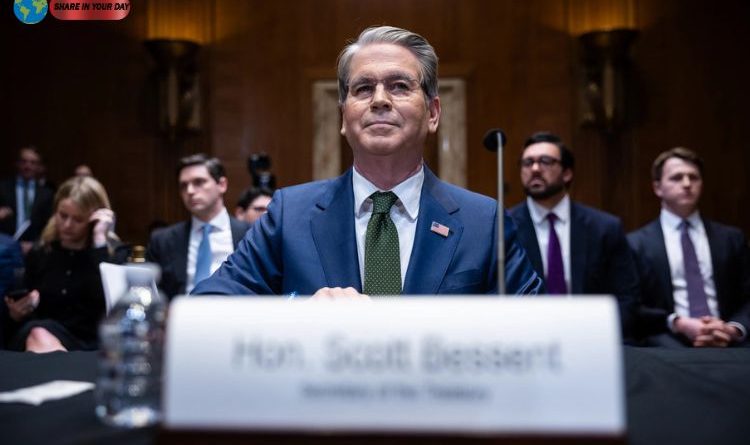
The latest Cabinet hearings on the Iran war have underscored growing concerns inside the U.S. government over rising energy costs and their ripple effects on the global economy. Lawmakers and senior officials warned that the ongoing conflict in the Middle East is not only a geopolitical crisis but also a major driver of inflation, particularly through surging oil and fuel prices.
The discussions come as the war continues to disrupt global energy flows, especially through the Strait of Hormuz, a critical chokepoint for world oil shipments. Economists and officials alike are now grappling with how long the price shock will last—and whether the situation could worsen if tensions escalate further.

Cabinet Officials Warn of Prolonged Energy Pressure
During recent hearings, U.S. Cabinet members highlighted that Iran war energy prices remain one of the most immediate economic risks facing households and businesses.
Officials emphasized three key concerns:
- Continued instability in global oil supply routes
- Volatile fuel prices affecting transportation and logistics
- Rising inflation linked directly to energy shocks
The conflict has already led to significant fluctuations in crude oil benchmarks, with prices reacting sharply to any escalation or ceasefire developments.
According to economic briefings discussed in government sessions, energy markets remain “highly sensitive” to military developments in the region, particularly around shipping lanes in the Persian Gulf.
Strait of Hormuz Crisis at the Center of Price Surge
A major focus of the hearings was the strategic importance of the Strait of Hormuz, which carries roughly a fifth of global oil trade. Disruptions in this region have been directly tied to global price spikes.
Recent reports show that restricted or threatened shipping through the strait has triggered:
- Sudden increases in Brent crude prices
- Higher shipping insurance costs
- Supply uncertainty for Asia, Europe, and the U.S.
Analysts warn that even partial disruption can destabilize energy markets worldwide.
The hearings highlighted that this chokepoint remains one of the most fragile points in global energy infrastructure, and any escalation could quickly translate into higher fuel prices at the consumer level.
Inflation Risks Rising Alongside Fuel Costs
Lawmakers were briefed on how energy shocks are feeding directly into inflation trends. Rising fuel prices are increasing transportation costs, which in turn affect food prices, manufacturing, and logistics.
Key inflationary impacts include:
- Higher gasoline prices affecting commuting costs
- Increased freight and shipping expenses
- Rising production costs for goods dependent on oil and gas
Some economic models presented in the hearings suggest that sustained conflict could push inflation higher than current projections, particularly if oil supply disruptions continue for several months.
Global Energy Markets Remain Highly Volatile
Outside the U.S., the economic impact of the war is also being felt strongly. European and Asian economies are especially vulnerable due to their reliance on imported energy.
Recent international reports show:
- Oil price spikes driven by geopolitical uncertainty
- Emergency energy policy discussions in Europe
- Concerns about long-term supply chain instability
The hearings reflected growing concern that prolonged instability could reshape global energy trade patterns, forcing countries to diversify supply chains more aggressively.
Political Debate Intensifies in Washington
Inside Washington, the hearings also exposed political divisions over how to respond to the energy crisis.
Some policymakers argue that:
- Strategic reserves should be used more aggressively
- Maritime protection should be expanded
- Diplomatic pressure on Iran should increase
Others warn that military escalation could further worsen energy markets and deepen inflationary pressure on American consumers.
This debate highlights the delicate balance between national security objectives and economic stability.
Consumer Impact: Fuel Prices Under Scrutiny
Perhaps the most immediate concern raised in the hearings is the direct impact on American households. Fuel prices remain a key political and economic pressure point.
Officials warned that:
- Gas prices remain elevated compared to pre-war levels
- Volatility may continue depending on conflict developments
- Relief depends heavily on stabilization of global supply routes
Even small disruptions in oil flow can quickly translate into noticeable price changes at the pump, making energy policy a central issue in domestic economic planning.
What Comes Next for Energy Markets
Looking ahead, experts briefed during the Cabinet hearings outlined three possible scenarios:
1. Stabilization Scenario
If diplomatic efforts reduce tensions, oil markets may gradually stabilize, easing price pressures.
2. Prolonged Conflict Scenario
Continued hostilities would likely keep prices elevated and sustain inflationary pressure.
3. Escalation Scenario
A broader regional escalation could trigger severe global supply disruptions and sharp energy price spikes.
Economists stressed that markets are currently pricing in uncertainty rather than stability, meaning volatility is likely to persist.
Conclusion
The Cabinet hearings on the Iran war highlight a clear message: energy markets are now a central battleground of the conflict’s global impact. Rising fuel prices are no longer just an economic issue—they are becoming a structural challenge affecting inflation, trade, and political stability.
As the situation develops, policymakers face increasing pressure to balance diplomatic strategy, military positioning, and domestic economic protection. For now, Iran war energy prices remain one of the most unpredictable and influential factors shaping the global economy in 2026.