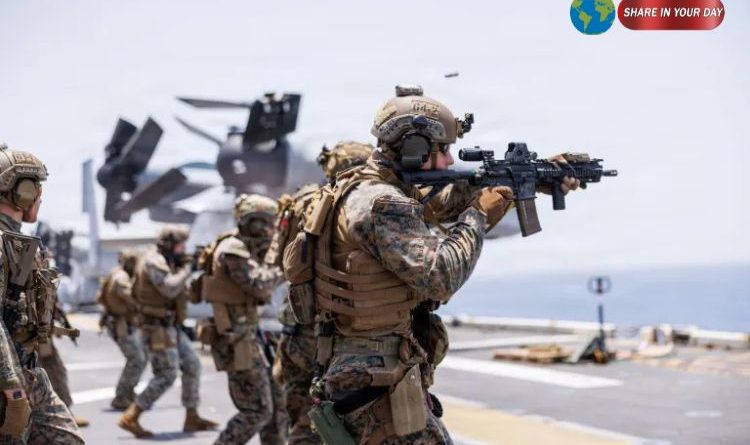
ran Ship Seizure Shocks Markets, Oil Surges 7%
The Iran ship seizure crisis has triggered a sharp and immediate reaction across global financial markets, sending oil prices soaring while stock futures tumbled. The latest escalation between the United States and Iran — centered around the Strait of Hormuz — is now rippling through the global economy, raising fears of prolonged instability and a potential energy shock.
Investors reacted swiftly after news broke that the US had seized an Iranian cargo vessel attempting to bypass a naval blockade, reigniting tensions just as hopes for a ceasefire had begun to stabilize markets.
Oil Prices Surge as Hormuz Tensions Escalate
The most immediate impact of the Iran ship seizure was seen in oil markets.
Crude prices surged sharply, with US oil futures jumping more than 7% to nearly $90 per barrel, while Brent crude climbed close to $96.
This sudden spike reversed earlier declines that had followed a brief reopening of the Strait of Hormuz, highlighting just how sensitive energy markets are to geopolitical developments in the region.
Analysts say the surge reflects growing fears that oil supplies could be disrupted again if the strait remains closed or becomes unsafe for tanker traffic.
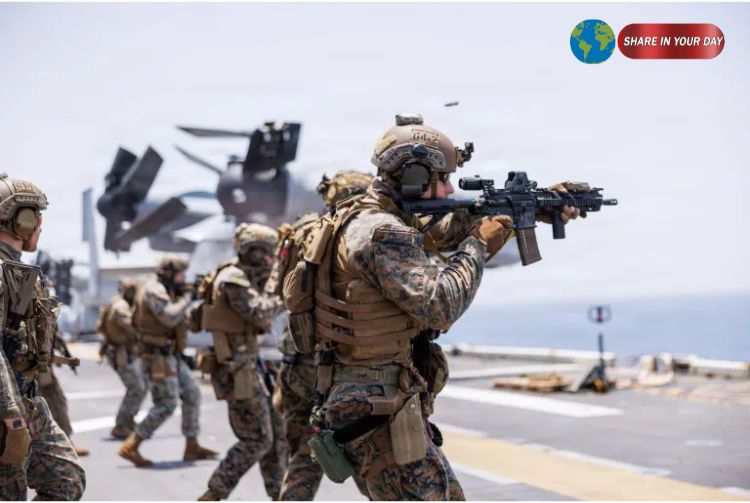
Stock Futures Fall as Investors Turn Risk-Averse
While oil prices climbed, stock markets moved in the opposite direction.
Futures tied to the Dow Jones Industrial Average dropped over 400 points, while S&P 500 and Nasdaq futures also declined significantly.
This sell-off signals a shift toward risk aversion, as investors brace for uncertainty driven by escalating geopolitical tensions.
Market sentiment had briefly improved days earlier when reports suggested the Strait of Hormuz might reopen permanently. However, the Iran ship seizure quickly erased those gains, reinforcing concerns that the conflict is far from resolved.
Why the Strait of Hormuz Matters So Much
At the center of the crisis is the Strait of Hormuz — one of the most critical chokepoints in the global energy system.
Roughly 20% of the world’s oil supply typically passes through this narrow waterway, making it essential for global energy stability.
Any disruption in this region can have immediate and far-reaching consequences, from higher fuel prices to broader economic instability.
The ongoing conflict has already reduced shipping traffic dramatically, with many vessels avoiding the area due to safety concerns.
Iran Closes the Strait Again After Ship Seizure
Following the Iran ship seizure, Tehran reportedly moved to close the Strait of Hormuz once again, reversing a brief reopening that had lasted less than 24 hours.
This move has intensified fears of a prolonged supply disruption, as oil tankers struggle to navigate the region amid rising military tensions.
The closure comes as part of a broader standoff between Iran and the United States, with both sides accusing each other of violating ceasefire conditions.
A Volatile Market: Rapid Swings in Oil and Stocks
The past week has seen extreme volatility in both oil and stock markets.
- Oil prices dropped nearly 9% after Iran initially reopened the strait
- Prices then surged again following the latest escalation
- Stock markets mirrored this volatility, swinging between optimism and fear
This pattern reflects the fragile nature of the current situation, where even small developments can trigger major market movements.
Global Economic Impact: Beyond Energy Markets
The effects of the Iran ship seizure extend far beyond oil prices.
Higher energy costs can lead to:
- Increased inflation worldwide
- Higher transportation and production costs
- Reduced consumer spending
In addition, disruptions to shipping routes can affect global supply chains, further amplifying economic uncertainty.
Financial institutions are now closely monitoring developments, as prolonged instability could slow global economic growth.
Safe-Haven Assets and Currency Movements
As markets react to the crisis, investors are shifting toward safer assets.
Traditionally, this includes:
- The US dollar
- Gold
- Government bonds
However, even gold experienced volatility, reflecting the complex and unpredictable nature of the current market environment.
Currency markets have also seen fluctuations, with the dollar strengthening amid rising global uncertainty.
The Bigger Picture: A Prolonged Energy Crisis?
The Iran ship seizure is part of a broader geopolitical conflict that has been building for months.
The ongoing war and blockade have already created what analysts describe as one of the largest disruptions to global energy supply in decades.
If the situation continues to escalate, oil prices could climb even higher — potentially surpassing $100 per barrel again.
Such a scenario would have serious consequences for economies around the world, particularly those heavily dependent on energy imports.
Investor Outlook: What Comes Next?
Looking ahead, markets will likely remain highly sensitive to developments in the Middle East.
Key factors to watch include:
- Whether the Strait of Hormuz reopens
- Progress (or collapse) of ceasefire negotiations
- Further military actions by either side
- Statements from global leaders and central banks
Investors are expected to remain cautious until there is greater clarity on the direction of the conflict.
Conclusion: A Crisis Reshaping Global Markets
The Iran ship seizure has once again demonstrated how geopolitical events can rapidly reshape global financial markets.
With oil prices surging, stock futures falling, and uncertainty dominating investor sentiment, the situation underscores the fragile balance between energy supply and global economic stability.
As tensions continue to rise, the world faces a critical question: will diplomacy prevail, or is the global economy heading toward a deeper crisis driven by conflict in one of its most vital regions?