Michigan NCAA National Title Revealed: 5 Key Moments
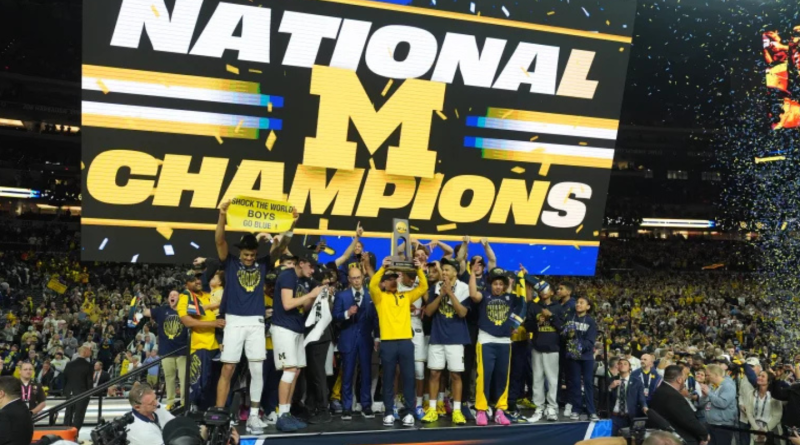
The Michigan NCAA national title victory in 2026 will be remembered as one of the most defining moments in modern college basketball, ending a decades-long championship drought while showcasing a new era shaped by transfers, resilience, and defensive grit.
In a tightly contested championship game, the University of Michigan defeated the University of Connecticut (UConn) 69–63, capturing its first NCAA men’s basketball title since 1989 and only the second in program history.
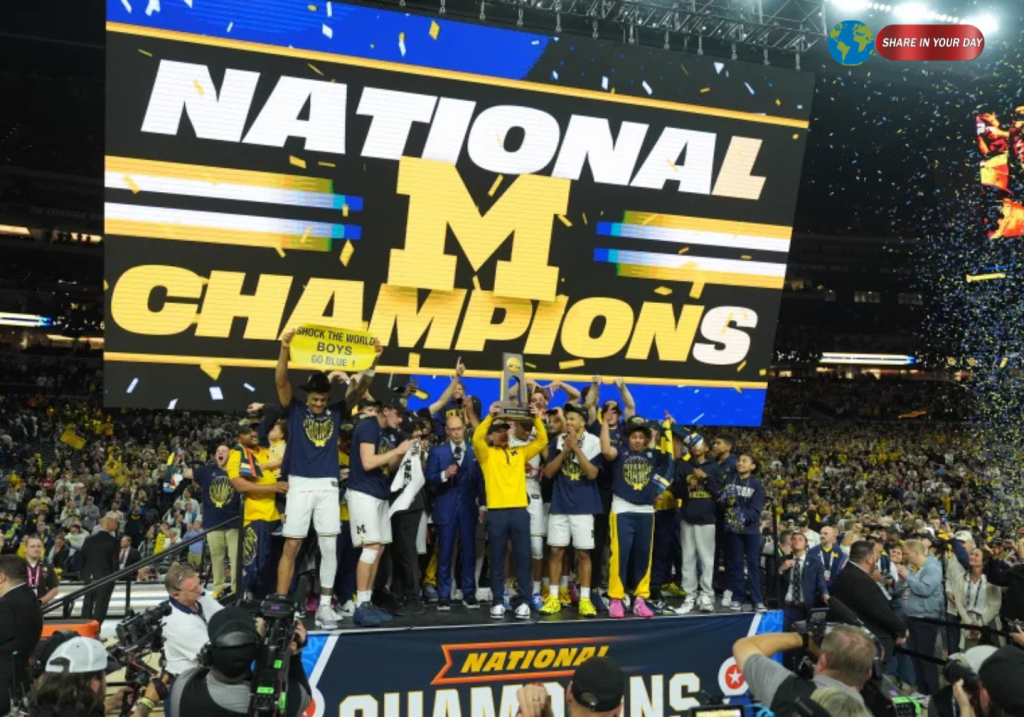
The win not only secured a long-awaited triumph for the Wolverines but also signaled a shift in how championship teams are built in today’s college basketball landscape.
1. Michigan NCAA National Title Ends 37-Year Drought
For Michigan, the 2026 championship represents the culmination of nearly four decades of near misses, rebuilding phases, and evolving team identities.
The Wolverines had not lifted the NCAA trophy since 1989, making this victory especially meaningful for both players and fans.
The long drought also carried symbolic weight. It marked the end of a championship gap for the Big Ten Conference, which had struggled to secure titles in recent years.
Moreover, the win reinforced Michigan’s place among elite college basketball programs, adding a second national championship banner to its history.
2. A Defensive Battle Defined the Championship
Unlike high-scoring tournament games, the Michigan NCAA national title clash was defined by defense, physicality, and composure under pressure.
Both teams struggled offensively throughout the game. Michigan shot just 38% from the field and had difficulty from three-point range, while UConn shot approximately 31% overall.
However, Michigan’s defensive execution proved decisive. The Wolverines disrupted UConn’s rhythm, limiting their perimeter shooting and forcing difficult possessions.
Additionally, Michigan capitalized at the free-throw line, converting 25 of 28 attempts—a crucial factor in securing the win.
This gritty, defense-first approach ultimately defined the championship.
3. Elliot Cadeau Emerges as the Tournament Hero
Every championship run needs a standout performer, and for Michigan, that role belonged to Elliot Cadeau.
Cadeau delivered a game-high 19 points in the final and was named the Final Four’s Most Outstanding Player.
His performance went beyond scoring. Cadeau’s leadership, pace control, and ability to deliver in crucial moments made him the driving force behind Michigan’s success.
In the second half, when the game tightened, Cadeau stepped up with key plays that helped maintain Michigan’s lead.
His performance not only secured the title but also cemented his place in NCAA tournament history.
4. Transfer Portal Era Redefines Championship Teams
One of the most remarkable aspects of Michigan’s title run was its roster composition.
The Wolverines became the first team in NCAA history to win a national championship while starting five transfer players.
This reflects a broader transformation in college basketball, where the transfer portal and name, image, and likeness (NIL) opportunities have reshaped team-building strategies.
Rather than relying solely on long-term development, Michigan assembled a roster of experienced players from different programs, creating a team capable of immediate success.
This model could influence future championship contenders across the NCAA.
5. UConn’s Dynasty Bid Falls Short
While Michigan celebrated, UConn faced disappointment in its bid to build a modern dynasty.
The Huskies entered the championship aiming for their third title in four years, a feat that would have solidified their dominance in the sport.
However, their offense struggled against Michigan’s defense, particularly from beyond the arc.
Despite strong performances from key players, including Alex Karaban, UConn could not overcome its shooting inefficiency and missed opportunities.
Nevertheless, the Huskies remain one of the most formidable programs in college basketball, and their recent success ensures they will continue to contend for future titles.
The Game That Defined March Madness 2026
The Michigan NCAA national title game was played at Lucas Oil Stadium in Indianapolis, drawing over 70,000 fans and showcasing the intensity of March Madness at its peak.
From the opening tip-off, the game was tightly contested. Michigan held a narrow lead at halftime and managed to maintain control despite multiple comeback attempts by UConn.
In the final minutes, clutch free throws and disciplined defense allowed Michigan to secure the victory.
The game’s physical nature and constant momentum shifts made it one of the most memorable championship matchups in recent years.
Coaching and Leadership Behind the Victory
Michigan head coach Dusty May played a crucial role in guiding the team to the title.
His ability to integrate transfer players into a cohesive system proved essential. Additionally, his emphasis on defense and adaptability allowed Michigan to overcome offensive struggles.
Throughout the tournament, the Wolverines demonstrated resilience, often finding ways to win even when not performing at their best.
This adaptability ultimately became the foundation of their championship success.
Broader Impact on College Basketball
The Michigan NCAA national title carries implications beyond a single season.
First, it highlights the growing importance of roster flexibility in the transfer portal era. Teams are increasingly built through strategic acquisitions rather than traditional recruiting alone.
Second, it underscores the value of defense in championship games. While offensive firepower often dominates headlines, Michigan’s win demonstrates that defense and discipline remain critical.
Finally, the victory reinforces the unpredictability of March Madness, where resilience and execution can outweigh expectations.
What This Means for the Future
Looking ahead, Michigan’s championship could mark the beginning of a new era for the program.
With a proven blueprint for success, the Wolverines are well-positioned to remain competitive in the coming years.
Meanwhile, UConn’s strong performance ensures that the rivalry among top programs will continue to drive excitement in college basketball.
The 2026 championship may also influence how teams approach roster construction, strategy, and player development.
Conclusion
The Michigan NCAA national title is more than just a championship—it is a defining moment that reflects the evolution of college basketball.
From ending a 37-year drought to embracing the transfer portal era, Michigan’s victory encapsulates the changing dynamics of the sport.
As fans and analysts look back on the 2026 tournament, this title game will stand out as a testament to resilience, strategy, and the enduring appeal of March Madness.