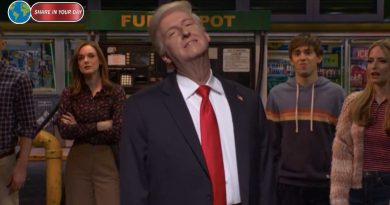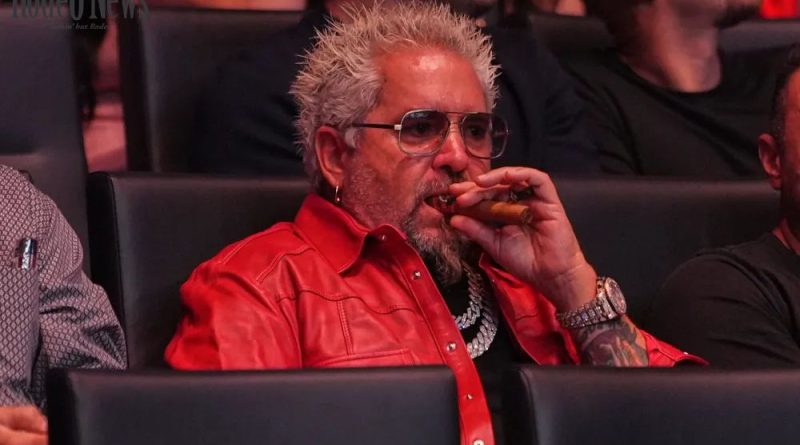
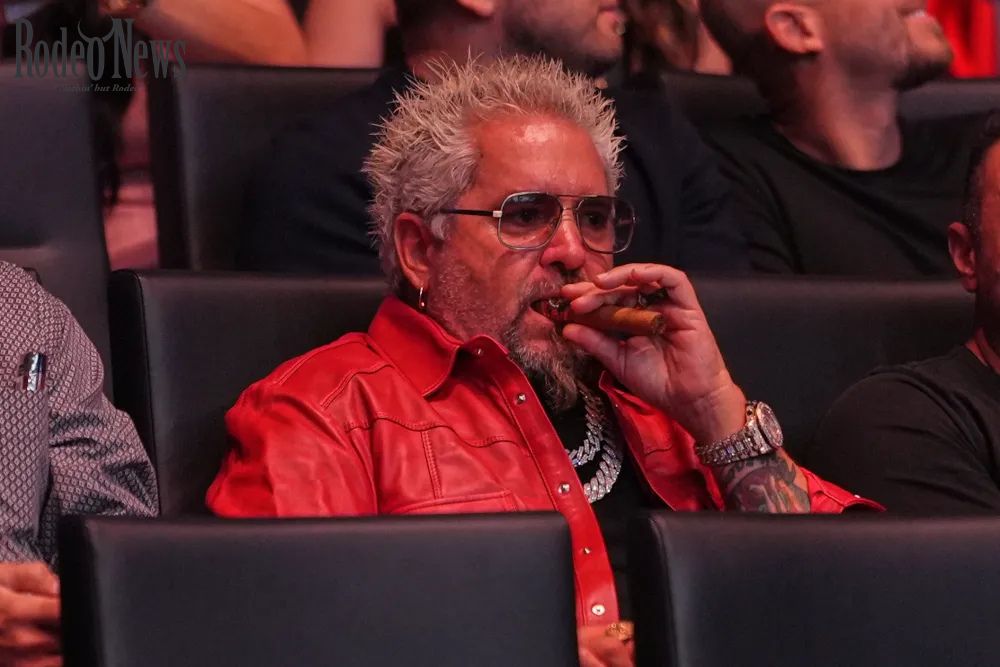
The Guy Fieri backlash began when video clips surfaced showing a friendly exchange between Fieri and the Tate brothers. In the footage, the chef appears to shake hands and briefly interact with them while moving through the venue.
According to reports, the interaction was brief and occurred spontaneously as Fieri navigated the crowded event space.
However, the optics of the moment proved significant. Given the ongoing legal issues and public reputation of Andrew and Tristan Tate, many viewers interpreted the interaction as an endorsement—whether intentional or not.
Social media reactions were swift and intense. Some users expressed disappointment, while others called for accountability, questioning why a widely respected public figure would engage—even casually—with controversial personalities.
Why the Tate Brothers Are So Controversial
To understand the scale of the Guy Fieri backlash, it is important to examine why the Tate brothers remain highly polarizing figures.
Andrew and Tristan Tate have built massive online followings, particularly within certain online communities. However, they have also faced serious legal challenges and allegations.
They are currently dealing with multiple criminal charges, including accusations related to human trafficking and sexual misconduct, which they have denied.
Additionally, Andrew Tate has drawn criticism for controversial statements about women and gender roles, further amplifying public scrutiny.
Because of these factors, any public association with the brothers—especially by mainstream celebrities—tends to spark strong reactions.
Guy Fieri Responds to Backlash
Amid growing criticism, Fieri addressed the situation directly in a public statement. The celebrity chef emphasized that the interaction was unplanned and that he had no prior relationship with the Tate brothers.
“I do not know the Tate brothers nor do I support them in any way,” he stated, making his position clear.
Fieri also explained that the encounter happened in passing, as the brothers greeted him while he was walking through the venue. According to his account, the exchange was brief and not indicative of any deeper connection.
The statement aimed to calm the Guy Fieri backlash, but reactions remained mixed. While some fans accepted the explanation, others continued to question the situation.
Social Media Reaction and Public Divide
The Guy Fieri backlash highlights the power of social media in shaping public narratives. Within hours of the footage surfacing, thousands of comments flooded platforms like X (formerly Twitter), Instagram, and Threads.
Some users defended Fieri, arguing that brief public interactions should not be overanalyzed. Others, however, felt that public figures carry a responsibility to be mindful of who they are seen with—especially in highly visible settings.
Critics pointed out that even a short interaction can be perceived as validation, particularly when captured on video and shared widely.
This divide reflects a broader cultural debate about accountability, perception, and the role of celebrities in influencing public discourse.
Fallout Beyond Social Media
The Guy Fieri backlash has extended beyond online discussions into real-world consequences. Following the controversy, a scheduled media appearance involving Fieri was reportedly canceled.
The canceled event underscores how quickly public perception can impact professional engagements, even when the underlying incident is relatively brief.
For brands and partners, controversies involving public figures often require swift decisions to manage reputational risk.
A Pattern of Celebrity Scrutiny
This is not the first time a celebrity has faced criticism for interactions with controversial figures. In recent years, public scrutiny has intensified, with audiences paying closer attention to the actions and associations of high-profile individuals.
The Guy Fieri backlash fits into this broader pattern, where even seemingly minor moments can become major headlines.
Experts suggest that this trend is driven by increased visibility through social media, as well as evolving expectations around accountability and ethical alignment.
The Role of Context in Public Perception
One key factor in the Guy Fieri backlash is the role of context. While Fieri insists the interaction was brief and unintentional, viewers interpret the moment through the lens of existing knowledge about the Tate brothers.
This creates a gap between intent and perception—a common challenge in the digital age.
Public figures often operate in environments where every action is recorded and analyzed, making it difficult to control how moments are perceived.
What This Means for Celebrities Moving Forward
The Guy Fieri backlash serves as a reminder of the complexities of modern celebrity culture. In an era where visibility is constant, even fleeting interactions can carry significant weight.
For public figures, this may lead to increased caution in public settings, particularly at high-profile events.
It also raises questions about fairness—whether individuals should be judged based on brief encounters or only on sustained actions and relationships.
5 Key Takeaways from the Controversy
Here are the most important insights from the Guy Fieri backlash:
- A brief public interaction can quickly become viral
- Social media plays a major role in shaping narratives
- Public perception often outweighs intent
- Celebrity accountability is under increasing scrutiny
- Real-world consequences can follow online backlash
Final Thoughts: A Moment That Sparked a Larger Debate
The Guy Fieri backlash is more than just a viral moment—it reflects broader cultural tensions around accountability, perception, and influence.
While Fieri has clearly stated his position and denied any association with the Tate brothers, the incident continues to generate discussion.
Ultimately, the controversy highlights how quickly narratives can form—and how difficult they can be to reshape once they take hold.
As public figures navigate this landscape, moments like this serve as cautionary examples of the power of visibility in the digital age.