In-Car Toilet Tech Revealed as Chinese Automaker Pushes Innovation
A surprising new development in automotive innovation is turning heads worldwide, as in-car toilet tech becomes the latest concept to emerge from China’s highly competitive electric vehicle market.
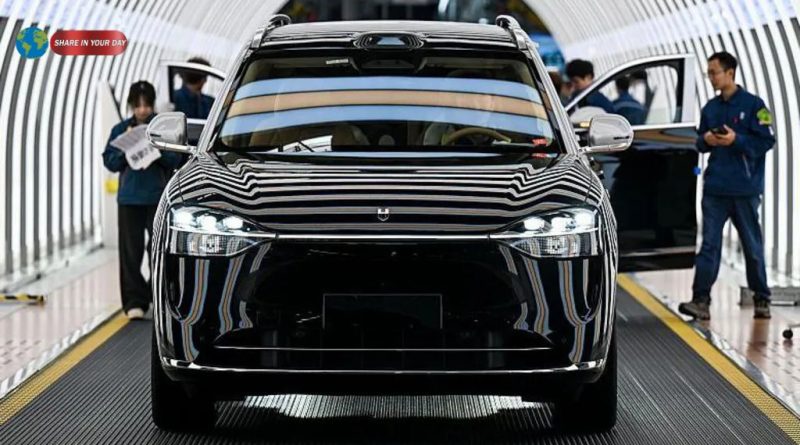
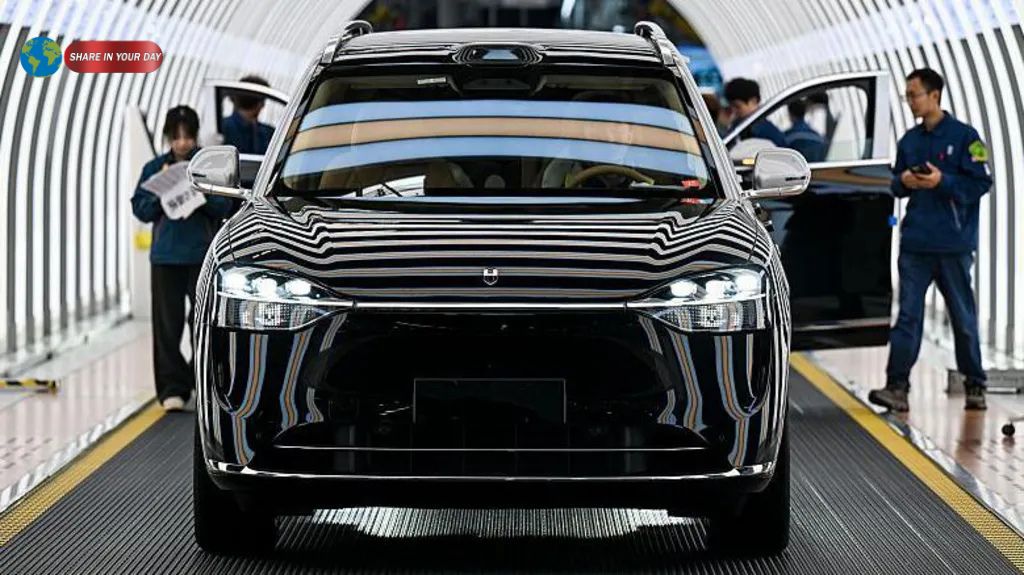
Chinese automaker Seres has patented a voice-controlled in-vehicle toilet system, designed to be installed beneath a car seat and deployed when needed. The idea, while unusual, highlights how far car manufacturers are willing to go to differentiate their products in an increasingly crowded EV landscape.
The patent, recently approved in China, outlines a compact, retractable toilet that can be activated either manually or through voice commands. While the feature may sound futuristic—or even bizarre—it reflects broader trends in the automotive industry, where convenience, comfort, and novelty are becoming key selling points.
How the In-Car Toilet Tech Works
According to the patent filing, the in-car toilet tech is designed with efficiency and space-saving in mind.
The system is hidden beneath a passenger seat and can slide out when needed. Drivers or passengers can activate it using voice commands—effectively turning the vehicle into a mobile, self-contained living space.
Key features include:
- A retractable toilet unit stored under the seat
- Voice activation for hands-free operation
- A built-in ventilation system to manage odors
- A waste collection tank that must be emptied manually
- A heating element designed to dry or evaporate waste
Engineers behind the concept stated that the goal is to “satisfy users’ toilet needs on long journeys, while camping or while staying in the car.”
This functionality could prove particularly useful for long-distance drivers, road trippers, and people living in vehicles—groups that often face challenges accessing restroom facilities.
Why Carmakers Are Adding Unusual Features
The emergence of in-car toilet tech is not happening in isolation. It is part of a broader wave of innovation driven by intense competition—especially in China’s electric vehicle market.
Manufacturers are increasingly equipping vehicles with unconventional features to stand out, including:
- Built-in karaoke systems
- Massage seats
- Mini fridges
- Advanced AI voice assistants
These additions are designed to transform cars into multi-functional living spaces, particularly as electric vehicles become more autonomous and connected.
China’s EV sector is especially competitive, with dozens of companies competing for market share. This has led to a surge in experimental features aimed at capturing consumer attention and boosting sales.
A Look Back: Toilets in Cars Aren’t Entirely New
While the concept may seem groundbreaking, the idea of having a toilet in a car is not entirely new.
Historically, some luxury vehicles have experimented with similar features. For example, a custom-built version of the Rolls-Royce Silver Wraith in the 1950s reportedly included a toilet hidden beneath the passenger seat.
However, such features have remained extremely rare and largely limited to niche or bespoke vehicles.
What sets today’s in-car toilet tech apart is the integration of modern technology—particularly voice control, compact engineering, and improved waste management systems.
Will This Technology Actually Be Used?
Despite the attention it is receiving, it remains unclear whether in-car toilet tech will ever reach mass production.
Seres has not announced any plans to include the feature in upcoming vehicles. Like many patents, the concept may simply represent an experimental idea rather than a finalized product.
Industry experts note that:
- Many patented ideas never become commercial products
- Consumer acceptance may be a major hurdle
- Hygiene and maintenance concerns could limit adoption
Still, the concept raises important questions about how far automotive innovation should go—and what consumers are actually willing to embrace.
Public Reaction: Innovation or Overkill?
The idea of a toilet inside a car has sparked mixed reactions globally.
Some see it as a practical solution for long journeys, particularly in regions where traffic congestion or long-distance travel is common. Others view it as unnecessary—or even uncomfortable.
Online discussions highlight this divide. Some users argue that such innovations, while unusual today, could become normal in the future if implemented effectively.
Others question the practicality and social acceptability of using a toilet in a confined space shared with other passengers.
This split reflects a broader tension in the tech world: the balance between innovation and real-world usability.
The Bigger Picture: Cars Becoming Living Spaces
The rise of in-car toilet tech points to a larger transformation in how vehicles are designed and used.
Modern cars—especially electric and autonomous models—are evolving beyond simple transportation tools. Instead, they are becoming:
- Mobile offices
- Entertainment hubs
- Resting spaces
- Even temporary living environments
As this trend continues, features that once seemed unusual may become more common.
For example, self-driving technology could make it possible for passengers to use such amenities safely while the vehicle is in motion. Similarly, improvements in sanitation technology could address current concerns about hygiene and maintenance.
Challenges and Concerns
Despite its potential benefits, in-car toilet tech faces several challenges before it could become mainstream:
1. Hygiene Issues
Maintaining cleanliness in a confined space is a major concern, especially for shared vehicles.
2. Space Limitations
Even with compact designs, adding a toilet could reduce passenger comfort or storage space.
3. Cultural Acceptance
Social norms may make many people uncomfortable with the idea.
4. Maintenance Requirements
The need to manually empty waste tanks could deter users.
These factors will play a crucial role in determining whether the technology gains traction.
What This Means for the Future of Cars
The introduction of in-car toilet tech underscores how rapidly the automotive industry is evolving.
As competition intensifies, especially in China, automakers are likely to continue experimenting with bold and unconventional ideas.
While not all innovations will succeed, they contribute to a broader push toward smarter, more versatile vehicles.
In the long term, features like this could become part of a larger ecosystem of in-car living solutions—particularly as autonomous driving technology matures.
Conclusion: A Bold Idea with Uncertain Future
The concept of in-car toilet tech may seem unconventional, but it highlights a key reality of today’s automotive industry: innovation is accelerating at an unprecedented pace.
Whether this particular feature becomes a standard offering or remains a curiosity, it reflects a growing effort to redefine what a car can be.
For now, the world is watching with curiosity—and perhaps a bit of skepticism—as automakers continue to push the boundaries of design and functionality.