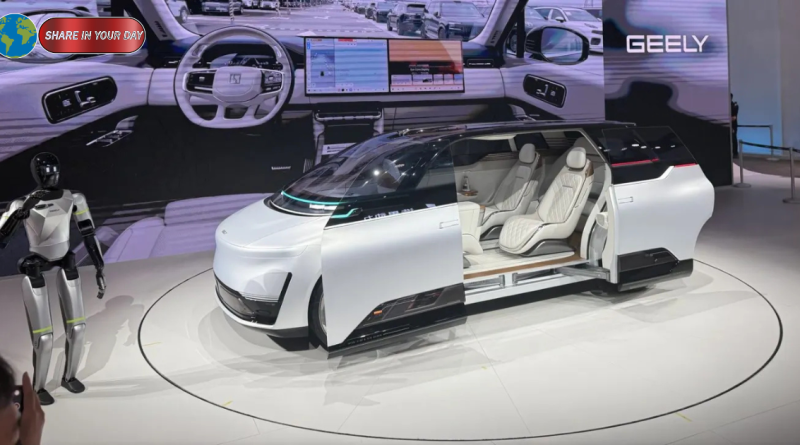
Beijing Auto Show 2026: A Glimpse Into the Future of Cars
The Beijing Auto Show 2026 has once again proven why China is rapidly becoming the center of the global automotive revolution. With more than 1,400 vehicles on display and over 180 global debuts, this year’s event showcased a bold, high-tech vision of what the future of mobility will look like.
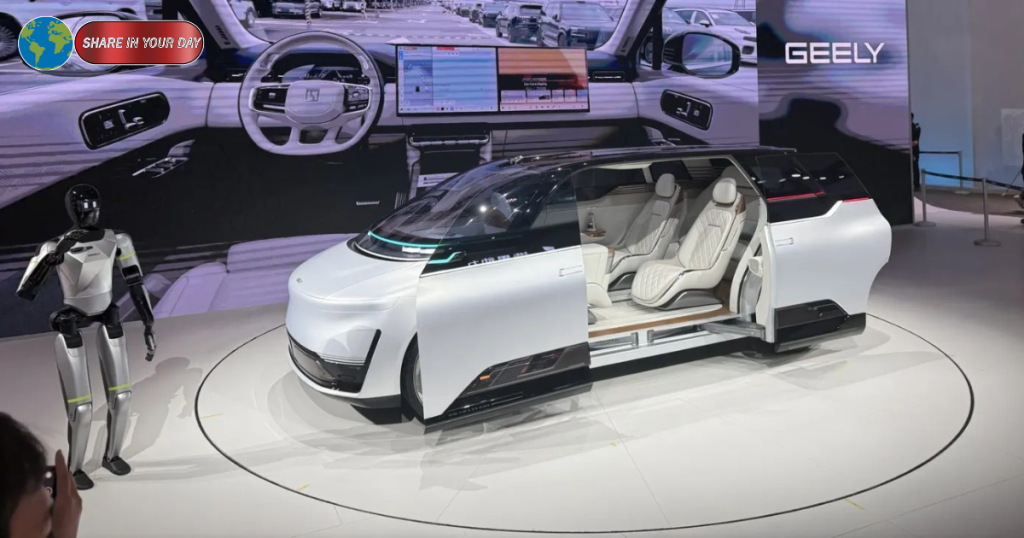
From ultra-fast charging electric vehicles (EVs) to AI-powered autonomous driving systems, the exhibition offered what many industry experts describe as an “insane glimpse” into the next generation of transportation.
As global automakers compete for dominance, one thing is clear: the future of cars is electric, intelligent, and increasingly shaped by China.
A Massive Showcase of Innovation
The scale of the Beijing Auto Show 2026 is staggering. Nearly 1,500 vehicles filled exhibition halls, with dozens of concept cars hinting at what’s coming in the next decade.
This massive lineup included:
- Fully electric supercars with over 1,000 horsepower
- Affordable EVs priced under $20,000
- Premium SUVs designed to rival European luxury brands
- Experimental concept vehicles pushing design boundaries
This diversity reflects how rapidly the automotive industry is evolving—not just in luxury or performance, but across every segment.
The Rise of Electric Vehicles (EVs)
EVs Dominate the Show Floor
At the heart of the Beijing Auto Show 2026 is one undeniable trend: electrification. Nearly every major automaker showcased electric or hybrid models, signaling a decisive shift away from traditional combustion engines.
China has positioned itself as a global leader in EV production and innovation. Companies like BYD, Nio, and Geely are not just competing locally—they are expanding aggressively into global markets.
Ultra-Fast Charging Breakthroughs
One of the most exciting developments is ultra-fast charging technology. New battery systems can charge from 20% to nearly full in under 15 minutes, drastically reducing one of the biggest barriers to EV adoption.
This advancement could eliminate “range anxiety” and make EVs more practical for everyday drivers worldwide.
Autonomous Driving Takes Center Stage
he Push Toward Driverless Cars
Another major highlight of the Beijing Auto Show 2026 is the rapid progress in autonomous driving technology.
Automakers and tech companies are heavily investing in AI systems capable of:
- Hands-free highway driving
- Urban navigation without human input
- Real-time hazard detection
Some prototypes even eliminate traditional controls like steering wheels, signaling a future where driving may become optional.
AI-Powered Smart Cockpits
Inside the vehicles, innovation is just as impressive. Smart cockpits now feature:
- Voice-controlled AI assistants
- Massive digital displays
- Personalized driving experiences
These features turn cars into mobile digital ecosystems rather than simple transportation tools.
Chinese Brands Challenge Global Giants
A Shift in Global Power
The Beijing Auto Show 2026 highlights a major shift in the automotive industry: Chinese automakers are now serious competitors to established global brands.
Companies like Geely and Nio are launching premium vehicles that rival brands such as BMW and Porsche—but often at significantly lower prices.
This shift marks the transition from a price war to a “value-for-money” competition.
Expanding Global Influence
Chinese automakers are rapidly increasing exports and building international partnerships. Their focus on advanced technology and competitive pricing gives them a strong advantage in emerging markets.
Pushing Design Boundaries
Concept cars at the Beijing Auto Show 2026 showcase bold ideas that may define future mobility.
Some standout innovations include:
- Glass-roof vehicles with pillarless designs
- Carbon-fiber electric supercars
- Robotaxi prototypes with no driver controls
- AI-integrated interiors with immersive displays
These concepts demonstrate how automakers are rethinking not just how cars function, but how they look and feel.
Affordable Innovation: EVs for Everyone
While high-end concept cars grab attention, the show also emphasizes affordability.
Several manufacturers unveiled compact EVs priced around $18,000, making electric mobility accessible to a broader audience.
This balance between innovation and affordability is key to accelerating global EV adoption.
The Role of Software and Ecosystems
Cars as Tech Platforms
Modern vehicles are increasingly defined by software rather than hardware. At the Beijing Auto Show 2026, many cars feature:
- Over-the-air updates
- Integrated operating systems
- App ecosystems similar to smartphones
For example, some vehicles now run on advanced systems like Huawei’s automotive platforms, turning cars into fully connected smart devices.
Continuous Improvement
Unlike traditional cars, these vehicles can improve over time through software updates, adding new features and enhancing performance long after purchase.
Global Implications of the Auto Revolution
China’s Growing Dominance
The Beijing Auto Show 2026 reinforces China’s position as a global leader in automotive innovation.
With strong government support, advanced supply chains, and rapid technological development, China is setting the pace for the industry.
Challenges for Western Automakers
Traditional automakers from Europe and the United States face increasing pressure to keep up.
While they continue to innovate, the speed and scale of Chinese advancements present a significant challenge.
Key Trends Defining the Future
1. Electrification Everywhere
Electric vehicles are no longer the future—they are the present.
2. AI Integration
Cars are becoming smarter, safer, and more autonomous.
3. Ultra-Fast Charging
Charging times are rapidly decreasing, improving convenience.
4. Affordable Innovation
Advanced technology is becoming accessible to more consumers.
5. Global Competition
Chinese brands are reshaping the global market landscape.
6. Software-Driven Vehicles
Cars are evolving into connected digital platforms.
7. Radical Design Concepts
The aesthetics of vehicles are changing dramatically.
Final Thoughts
The Beijing Auto Show 2026 is more than just an exhibition—it is a clear signal of where the automotive industry is headed.
From electric powertrains to AI-driven systems, the innovations on display highlight a future where cars are smarter, cleaner, and more connected than ever before.
Perhaps most importantly, the event underscores a shift in global leadership. China is no longer following trends—it is setting them.
As automakers around the world race to adapt, one thing is certain: the future of driving is already here, and it’s evolving faster than ever.