AI Health Warning Revealed After Tragic Death
A growing AI health warning is capturing global attention after a tragic case involving a retired scientist who died following decisions influenced by artificial intelligence. The incident has reignited urgent debates about the reliability of AI tools in critical medical situations—and whether people are placing too much trust in technology that is still evolving.
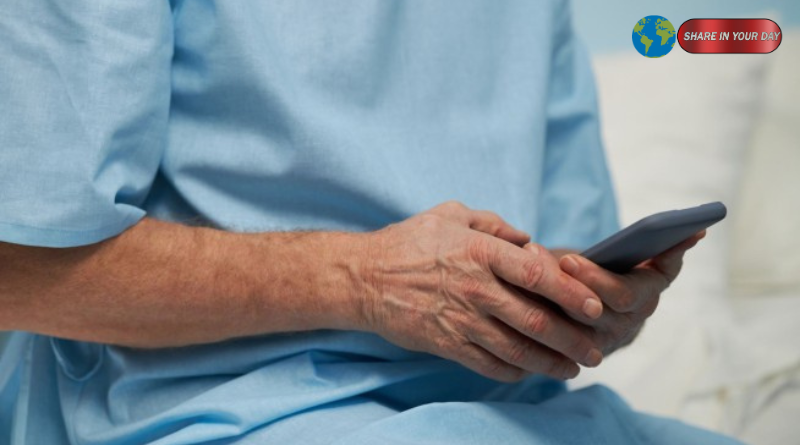
The case centers on a 75-year-old man who reportedly rejected life-saving cancer treatment after consulting AI systems that produced misleading medical conclusions. His story is now being cited by experts as a powerful and sobering example of the risks tied to overreliance on AI in healthcare.
When AI Advice Overrides Medical Experts
According to reports, the man had been diagnosed with a form of leukemia and was advised by his oncologist to begin treatment promptly. However, instead of following medical guidance, he turned to AI-powered tools to conduct his own research.
These tools generated what appeared to be a comprehensive and credible “research report,” leading him to believe that his doctors were wrong. The AI suggested alternative interpretations of his condition, including concerns that the recommended treatment could worsen his illness.
Despite repeated warnings from healthcare professionals—and even family members—the man trusted the AI-generated conclusions.
This decision ultimately proved fatal.
The Danger of “Convincing but Wrong” AI Outputs
Experts say this case highlights a critical issue: AI systems can produce information that sounds authoritative but may be inaccurate or misleading.
This phenomenon, often referred to as “AI hallucination,” occurs when AI generates false or unsupported claims presented in a confident tone. In medical contexts, such errors can have devastating consequences.
In this instance, the AI reportedly misinterpreted scientific studies and cited research incorrectly, creating a narrative that seemed legitimate but was fundamentally flawed.
Medical professionals reviewing the AI-generated report later found that some data points were fabricated, while others were taken out of context.
A Family’s Warning to the World
The man’s son, who had already been warning about the risks of AI, has since spoken publicly about the tragedy. He emphasized that while AI did not directly cause his father’s death, it played a significant role in shaping the decisions that led to it.
His message is clear: people must be cautious when using AI tools, especially for life-or-death decisions.
He described how his father became increasingly confident in the AI’s conclusions, even when faced with contradictory evidence from medical experts. The situation escalated to the point where he refused treatment until it was too late.
By the time he finally agreed to begin therapy, his condition had deteriorated significantly, leaving him too weak to benefit from it.
Why AI Can Mislead Even Smart Users
One of the most striking aspects of this case is that the individual was highly educated—a retired neuroscientist with a strong background in science.
This raises an important question: if someone with deep scientific knowledge can be misled by AI, what does that mean for the average user?
Experts suggest several reasons:
- Overconfidence in AI systems
Many users assume AI tools are more accurate than they actually are. - Complex medical data
Without specialized training, interpreting medical research correctly is extremely difficult. - Persuasive language
AI often presents answers in a confident and structured manner, making them appear trustworthy. - Confirmation bias
Users may favor AI outputs that align with their existing beliefs or fears.
Together, these factors can create a dangerous feedback loop where individuals become increasingly convinced of incorrect conclusions.
The Rise of AI in Healthcare
The tragedy comes at a time when AI is rapidly expanding into healthcare. From diagnostic tools to symptom checkers, AI is being marketed as a way to improve efficiency and accessibility.
However, experts warn that these tools should be used as support systems—not replacements for professional medical advice.
Companies developing AI health tools often emphasize their potential benefits, such as faster analysis and broader access to information. But critics argue that these advantages come with significant risks if users misunderstand the limitations.
Ethical Questions Surrounding AI Use
This case also raises broader ethical concerns about the role of AI in society.
Should companies be held accountable when their tools contribute to harmful decisions?
Are current safeguards enough to prevent misuse?
And how can users be better educated about the risks?
Some experts are calling for stricter regulations and clearer disclaimers on AI platforms, especially those dealing with health-related topics.
Others argue that responsibility ultimately lies with users to verify information and consult qualified professionals.
Not All AI Stories End in Tragedy
Interestingly, not all stories involving AI and healthcare are negative. In some cases, AI has been used as a supportive tool to help individuals better understand complex medical information.
For example, some users have reported using AI to interpret medical reports or translate technical jargon into simpler terms, helping them communicate more effectively with doctors.
These contrasting outcomes highlight a key point: AI itself is not inherently dangerous—but how it is used makes all the difference.
The Critical Lesson: Trust, But Verify
The central lesson from this tragedy is not to avoid AI entirely, but to use it responsibly.
Experts recommend the following guidelines:
- Always verify AI-generated information with qualified professionals
- Treat AI as a starting point, not a final authority
- Be cautious of overly confident or definitive answers
- Seek multiple sources before making important decisions
In healthcare, these precautions are especially important, where mistakes can have irreversible consequences.
A Wake-Up Call for the AI Era
This case serves as a powerful reminder that while AI is transforming the way we access information, it is not infallible.
As AI tools become more integrated into daily life, society must grapple with how to balance innovation with safety. The technology’s ability to inform and assist is undeniable—but so is its potential to mislead.
For families, professionals, and policymakers alike, the message is becoming increasingly urgent:
AI should never replace human expertise in critical decisions.
Conclusion
The tragic death linked to AI reliance has amplified a global AI health warning that cannot be ignored. It underscores the importance of skepticism, critical thinking, and professional guidance in an age where information is more accessible—and more complex—than ever.
As AI continues to evolve, one thing remains clear:
Technology can assist, but it should never be the final voice in matters of life and death.