Luxury Brands Middle East War: 5 Shocking Impacts
The luxury brands Middle East war crisis is rapidly reshaping one of the world’s most important high-end retail markets. For years, global luxury giants poured billions into the Gulf region, betting on wealthy consumers, booming tourism, and tax-friendly policies.
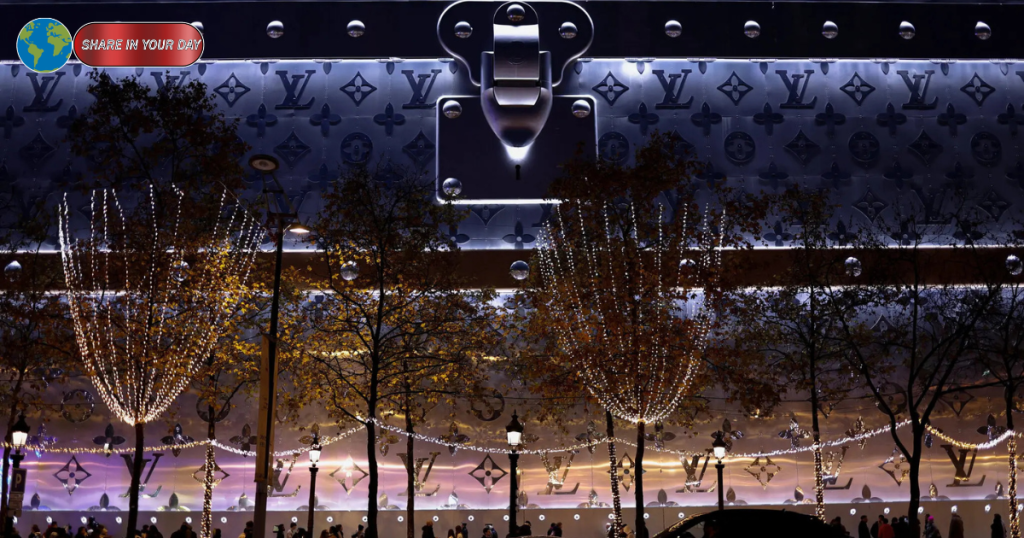
However, ongoing conflict in the Middle East has disrupted those ambitions, leaving empty malls, stalled expansion projects, and mounting financial uncertainty. What was once seen as a safe haven for luxury growth is now facing one of its most serious tests in decades.
1. Dubai’s Luxury Boom Suddenly Stalls
Dubai has long been a cornerstone of global luxury strategy. The city’s massive malls, such as Dubai Mall and Mall of the Emirates, attract millions of affluent shoppers each year.
But the war has dramatically changed that reality.
Foot traffic has dropped sharply as tourism declines and safety concerns rise. Once-crowded shopping centers are now seeing significantly fewer visitors, with many stores open but largely empty.
This shift is alarming for brands that rely heavily on tourist spending. The UAE alone accounts for a substantial portion of luxury sales in the Middle East, with Dubai serving as the primary hub.
2. Sales Could Be Cut in Half
One of the most striking consequences of the luxury brands Middle East war situation is the projected collapse in sales.
Industry analysts estimate that luxury sales in the region could fall by as much as 50% in a single month due to the sharp decline in international visitors.
This sudden drop highlights how dependent the luxury sector is on travel and global mobility. When flights are disrupted and tourists stay away, even the most prestigious brands feel the impact almost immediately.
3. Tourism Collapse Hits High-End Spending
Tourism has always been the backbone of the Gulf’s luxury economy. Wealthy visitors from Europe, Asia, and beyond flock to Dubai for shopping experiences that combine exclusivity with convenience.
Now, that flow has been severely interrupted.
Reports indicate that flights have been halted or disrupted, and some travelers have even struggled to leave the region amid escalating tensions.
Without tourists, demand for luxury goods—from designer handbags to high-end watches—drops sharply. This creates a ripple effect across the entire ecosystem, including hotels, retail staff, and logistics networks.
4. Billion-Dollar Expansion Plans at Risk
Before the conflict, luxury brands were aggressively expanding in the Middle East.
Major companies invested heavily in:
- New flagship stores
- Luxury resorts
- High-end shopping malls
- Exclusive retail experiences
Dubai alone had plans for massive developments, including futuristic retail spaces and multi-billion-dollar infrastructure projects.
Now, those ambitions are uncertain.
Executives are increasingly concerned that prolonged instability could delay or even cancel expansion plans. The region, once seen as a guaranteed growth engine, is now viewed as a high-risk market.
5. The “Safe Haven” Image Is Cracking
Perhaps the most significant long-term impact of the luxury brands Middle East war crisis is reputational.
For decades, Dubai positioned itself as a stable, luxurious oasis in a volatile region. That perception attracted both investors and ultra-wealthy consumers.
However, recent events have challenged that image.
Drone strikes, infrastructure disruptions, and security concerns have shaken confidence. Even iconic locations associated with luxury have been affected, reinforcing the sense that no place is entirely insulated from geopolitical tensions.
This shift in perception could have lasting consequences, as luxury consumers often prioritize safety and exclusivity above all else.
Why the Middle East Still Matters
Despite current challenges, the Middle East remains a critical market for luxury brands.
In recent years:
- The region generated nearly $13 billion in luxury sales
- Consumer spending grew steadily, even when other markets slowed
- Wealthy residents showed strong demand for premium goods
Additionally, a significant portion of the population regularly purchases luxury items, making the region one of the most attractive markets globally.
This is why brands are not abandoning the Middle East—but rather reassessing their strategies.
Global Ripple Effects on Luxury Industry
The impact of the luxury brands Middle East war situation extends far beyond the Gulf.
Luxury companies are already facing:
- Slowing demand in China
- Economic uncertainty in Europe
- Changing consumer behavior worldwide
The Middle East was supposed to offset these challenges. Now, with that growth engine under pressure, brands must rethink their global strategies.
Executives fear that prolonged instability could jeopardize billions of dollars in revenue and disrupt supply chains across continents.
Adapting to a New Reality
Luxury brands are not standing still. Many are already adjusting their approach to navigate the crisis.
Key strategies include:
- Diversifying into other high-growth markets
- Strengthening online and digital sales channels
- Reducing short-term investments in unstable regions
- Focusing on loyal local customers instead of tourists
Some brands are also emphasizing exclusivity and personalization to maintain engagement with high-net-worth clients, even during uncertain times.
Will the Market Recover?
The future of the Middle East luxury market depends largely on how long the conflict continues.
Experts suggest two possible scenarios:
Short-Term Conflict
If tensions ease quickly, Dubai and the broader Gulf region could recover relatively fast. The infrastructure, wealth base, and global appeal remain strong.
Prolonged Instability
If the conflict drags on, the consequences could be more severe. Long-term damage to tourism, investor confidence, and consumer behavior may reshape the region’s role in the luxury industry.
Conclusion
The luxury brands Middle East war crisis marks a turning point for one of the world’s most dynamic retail regions. What was once a booming hub for high-end consumption is now grappling with uncertainty, declining tourism, and disrupted business plans.
While the long-term outlook remains uncertain, one thing is clear: luxury brands must adapt quickly to survive in an increasingly unpredictable global landscape.
The Middle East may still hold immense potential—but for now, the industry is navigating one of its most challenging chapters in years.