Dexter Lawrence Jersey Number 97 Sparks Bengals Drama With Shemar Stewart
The arrival of Dexter Lawrence in Cincinnati has already created buzz across the NFL, but not for the usual reasons tied to trades or defensive dominance. Instead, the focus has shifted to something far more personal: his iconic jersey number.
The veteran defensive tackle has made it clear he wants to continue wearing No. 97, the number he carried throughout his entire NFL career with the New York Giants. However, there is one major complication—rookie defensive end Shemar Stewart is already wearing it for the Cincinnati Bengals.
This sets up a quiet but intriguing locker room situation that could define how jersey traditions, veteran influence, and rookie respect collide in modern NFL culture.
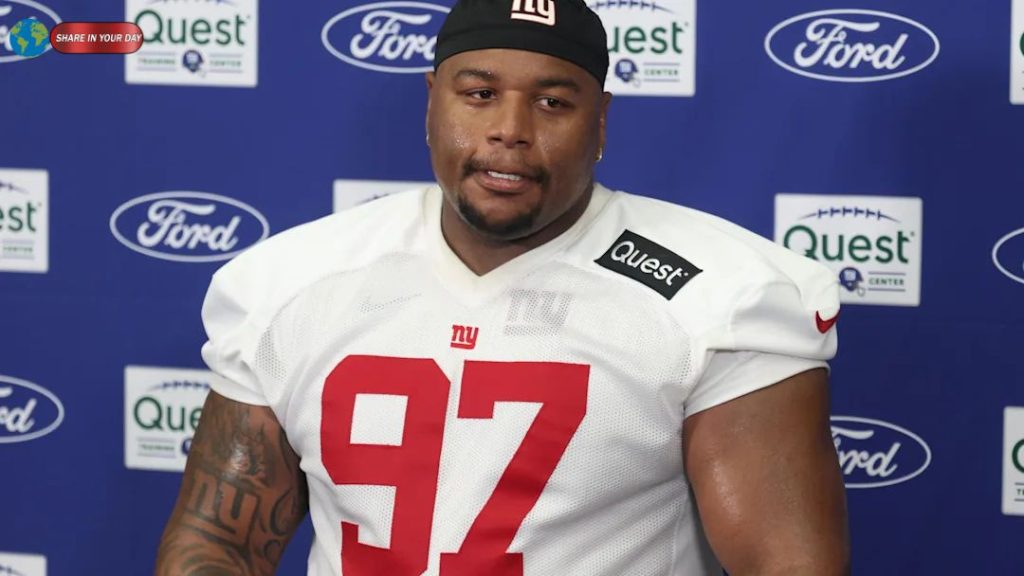
Dexter Lawrence Jersey Number 97 Request Explained
When Dexter Lawrence was introduced to the media after joining the Bengals, he did not hesitate when asked about his jersey preference.
He confirmed that No. 97 is the number he wants to keep, stating that it has been part of his identity since entering the league.
According to Lawrence, conversations have already started internally, and he intends to speak directly with Shemar Stewart about the possibility of a switch.
This is not an uncommon practice in the NFL, where jersey numbers often carry personal meaning, branding value, and even financial implications for star players.
However, what makes this case interesting is that Stewart is not a veteran holding onto a legacy number—he is a young player just beginning his career in Cincinnati.
Why Shemar Stewart Is Wearing No. 97
Shemar Stewart, a first-round pick in the 2025 NFL Draft, currently wears No. 97 for the Bengals and has already begun building his early identity with it.
Stewart previously wore No. 4 at Texas A&M, but that number was unavailable when he joined Cincinnati.
The Bengals assigned him No. 97, a number that also has historical relevance in the franchise, previously worn by standout defensive linemen such as Geno Atkins.
Now, Stewart finds himself in a situation where a high-profile veteran wants the same number after just one season in the league.
According to team context, Stewart has not publicly rejected or accepted any request yet, leaving the situation open-ended.
Dexter Lawrence Jersey Number 97: Why It Matters
For Dexter Lawrence, this is not just about aesthetics. Jersey numbers in the NFL often carry deep personal meaning.
He has worn No. 97 since his rookie season, building his brand, identity, and recognition around it. In many cases, changing numbers can affect merchandise, fan recognition, and even marketing value.
This is especially true for high-impact defensive tackles like Lawrence, whose reputation has been tied to his jersey number throughout his career.
NFL analysts note that players in his position often feel strongly about maintaining consistency, especially after long tenures with one number.
How NFL Jersey Number Trades Usually Work
Situations like the Dexter Lawrence jersey number 97 request are not rare in the NFL.
When veterans want numbers already taken by teammates, several outcomes are possible:
- The rookie voluntarily gives up the number
- The veteran compensates the player financially
- The team intervenes and reassigns numbers
- A mutual agreement is reached for symbolic or financial exchange
In many locker rooms, “buying a number” has become an informal tradition. Payments can range from expensive gifts to cash deals depending on the stature of the players involved.
In this case, speculation has already emerged that a negotiation between Lawrence and Stewart could involve compensation or incentives.
Bengals Locker Room Dynamics at Play
The Bengals now face a subtle but important internal decision. While jersey numbers may seem trivial, they often reflect hierarchy, respect, and team culture.
Cincinnati already made a bold move by acquiring Dexter Lawrence via trade, signaling a commitment to strengthening its defensive line. That investment increases his influence in team decisions.
At the same time, Shemar Stewart represents a young, developing player who could be part of the franchise’s future.
This creates a delicate balance:
- A proven veteran with immediate impact
- A rookie with long-term potential
How the organization handles this could set a precedent for future roster situations.
Dexter Lawrence Impact on Bengals Defense
Beyond jersey talk, Lawrence’s arrival is a major defensive upgrade for Cincinnati.
The Bengals acquired him to strengthen their interior defensive line, improve run defense, and add pressure in the pass rush. His production with the Giants made him one of the most respected defensive tackles in the league.
Recent reports also highlight that Cincinnati views him as a cornerstone piece moving forward after a significant trade investment.
His presence instantly elevates the Bengals’ defensive front and adds leadership to a relatively young unit.
Shemar Stewart’s Role Moving Forward
Shemar Stewart is still in the early stages of his NFL career, but the Bengals see him as a high-upside defensive piece.
He has shown flashes of athletic ability, disruption in the run game, and developmental potential despite limited statistical production early on.
Even without elite numbers yet, Cincinnati has invested in his physical tools and long-term growth.
That makes the jersey discussion more sensitive—because the team is not likely to treat him as disposable, even for a veteran star.
Could a Jersey Switch Actually Happen?
At this stage, everything remains open.
Dexter Lawrence has only expressed interest and intention to speak with Stewart. There is no confirmation of a deal or agreement.
Possible outcomes include:
1. Stewart Keeps No. 97
The simplest outcome—no change, and both players move forward.
2. Voluntary Switch
Stewart agrees to give up the number, possibly choosing another available defensive number.
3. Compensated Agreement
Lawrence offers financial or symbolic compensation for the number.
4. Team Decision
Coaching staff or front office steps in and resolves the situation.
Historically, the NFL tends to resolve these quietly and internally.
NFL Culture: Why Jersey Numbers Matter So Much
Jersey numbers are more than identifiers in the NFL—they are part of a player’s brand identity.
Fans associate numbers with players, highlight reels, and career moments. For defensive players especially, consistency matters because recognition is built over time.
That is why Dexter Lawrence’s insistence on No. 97 is not unusual—it is part of how modern NFL athletes maintain their professional identity.
Conclusion: A Small Number, A Big Story
What started as a simple jersey preference has turned into one of the more interesting early storylines in Cincinnati’s offseason.
Dexter Lawrence wants No. 97 back. Shemar Stewart currently holds it. And the Bengals now find themselves managing a small but symbolic internal negotiation.
While it may not impact wins or losses directly, it reflects the evolving culture of NFL locker rooms—where identity, respect, and tradition all intersect.
For now, the situation remains unresolved, but one thing is clear: in Cincinnati, even a jersey number can become a headline story.