Hormuz Crisis Shock Revealed: 5 Global Impacts
The escalating Hormuz crisis is raising alarm across global markets, as Iran tightens its grip on one of the world’s most critical energy chokepoints. Officials in Qatar have warned that the full economic impact is “not far away,” signaling a potential shock that could ripple through energy supplies, trade routes, and financial systems worldwide.
The Strait of Hormuz—a narrow waterway between Iran and the Gulf states—handles roughly 20% of global oil and gas shipments. Any disruption in this corridor has immediate and far-reaching consequences. As tensions intensify, analysts warn that the current situation may evolve into one of the most severe global energy disruptions in modern history.
Iran Tightens Control Over Strategic Waterway
At the center of the Hormuz crisis is Iran’s increasing control over maritime traffic through the strait. Since the outbreak of conflict earlier in 2026, Tehran has repeatedly restricted or threatened shipping movements, citing security concerns and geopolitical tensions.
Iranian forces have asserted near-total control over the waterway, with warnings issued to foreign vessels. This has effectively transformed the strait into a high-risk zone for global shipping.
According to multiple reports, military oversight of the strait has intensified, and several incidents involving commercial ships have already been recorded.
This tightening grip has not only disrupted supply chains but also shaken confidence in global trade stability.
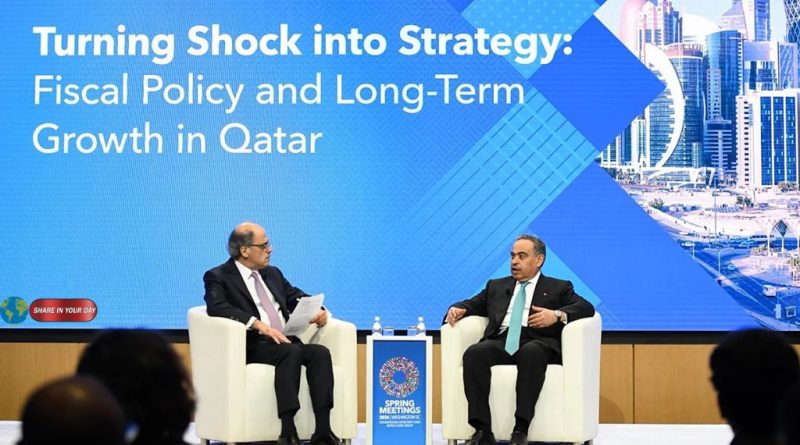
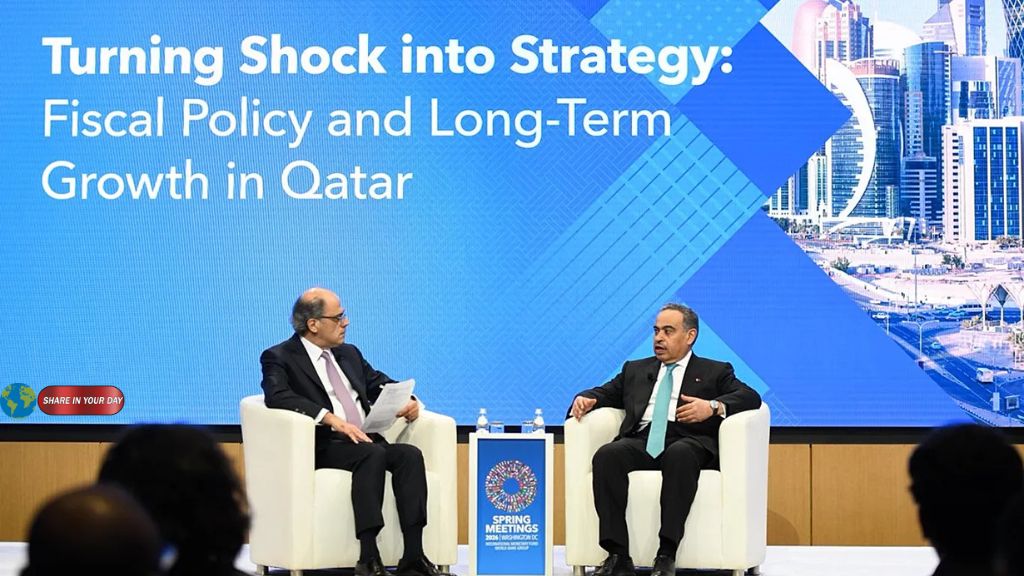
Qatar Warns: “Impact Not Far Away”
Qatar, one of the world’s leading exporters of liquefied natural gas (LNG), has issued stark warnings about the consequences of the ongoing Hormuz crisis.
The country’s finance minister has described rising energy prices as only the “tip of the iceberg,” cautioning that broader economic fallout is imminent if the situation persists.
Qatar’s warning is particularly significant given its central role in global energy markets. The country relies heavily on maritime routes through the Gulf to export LNG to Asia and Europe.
Any prolonged disruption could lead to:
- Severe energy shortages
- Rising fuel and electricity costs
- Supply chain breakdowns
- Inflation spikes across multiple sectors
These risks are no longer theoretical—they are already beginning to materialize.
Global Energy Markets Under Pressure
One of the most immediate consequences of the Hormuz crisis is its impact on global energy markets.
Oil prices have experienced extreme volatility, with some forecasts predicting spikes as high as $150 per barrel if disruptions continue.
The International Energy Agency has described the situation as the largest oil supply shock in history, driven by reduced output and restricted shipping routes.
Natural gas markets have also been affected, particularly in regions dependent on Gulf exports. Europe and Asia have seen sharp price increases, with some markets experiencing jumps of over 60% in gas prices.
Meanwhile, countries heavily reliant on imported energy are facing mounting pressure, forcing governments to consider emergency measures.
Supply Chains and Trade Routes Disrupted
Beyond energy, the Hormuz crisis is severely impacting global trade.
The strait serves as a vital artery not only for oil and gas but also for key commodities such as fertilizers and chemicals. Disruptions in these flows are beginning to affect industries ranging from agriculture to manufacturing.
Experts warn that prolonged instability could lead to:
- Food price increases due to fertilizer shortages
- Delays in manufacturing production
- Higher transportation costs
- Reduced global trade efficiency
In fact, early signs of these disruptions are already visible in parts of Asia and Africa, where economies are highly dependent on Gulf exports.
Inflation and Economic Slowdown Risks
The broader economic implications of the Hormuz crisis are equally concerning.
The International Monetary Fund has already revised global growth forecasts downward, citing the conflict’s impact on energy markets and inflation.
Rising fuel costs are feeding into higher prices for goods and services worldwide, creating a ripple effect across economies. For many countries, especially those with weaker currencies or high import dependency, the situation is particularly challenging.
Economists warn of a potential scenario involving:
- Slower economic growth
- Persistent inflation
- Increased risk of recession
- Financial market volatility
If the crisis continues, these effects could intensify significantly.
A Crisis Echoing the 1970s Energy Shock
Many analysts are drawing comparisons between the current Hormuz crisis and the oil shocks of the 1970s.
Like those earlier events, today’s situation involves a sudden disruption of energy supplies from a geopolitically sensitive region. The resulting price spikes and supply shortages could trigger similar economic consequences, including stagflation.
Recent data suggests that the current disruption may even surpass past crises in scale, given the modern world’s dependence on globalized supply chains.
This raises serious questions about the resilience of today’s economic systems.
Why the Strait of Hormuz Matters So Much
Understanding the importance of the Hormuz crisis requires recognizing the strategic significance of the strait itself.
Key facts include:
- Around 20% of global oil and gas passes through the strait
- It connects major producers like Saudi Arabia, UAE, and Qatar to global markets
- It is one of the most critical chokepoints in international trade
Because of its narrow geography, the strait is particularly vulnerable to disruption—whether through military action, blockades, or political tensions.
This vulnerability makes it a focal point in global energy security discussions.
Short-Term Relief vs Long-Term Uncertainty
There have been moments of temporary relief in the Hormuz crisis, including brief periods where shipping routes were reopened and oil prices stabilized.
However, experts caution that these developments may be short-lived. Markets remain highly sensitive to any escalation, and even minor incidents can trigger significant price swings.
Recent fluctuations in oil prices highlight this volatility, with sharp declines followed by rapid rebounds depending on geopolitical developments.
This uncertainty is likely to persist in the coming months.
Global Response and Strategic Shifts
The Hormuz crisis is prompting governments and industries worldwide to rethink their energy strategies.
Several trends are emerging:
- Increased investment in alternative energy sources
- Expansion of nuclear energy programs
- Diversification of supply chains
- Strategic stockpiling of fuel
Countries in Asia and Africa, in particular, are accelerating plans to reduce reliance on Middle Eastern energy.
These shifts could reshape global energy markets in the long term.
Conclusion
The ongoing Hormuz crisis represents a pivotal moment for the global economy.
With Iran tightening its control over a critical maritime chokepoint and Qatar warning of imminent economic fallout, the world is facing a complex and rapidly evolving challenge.
From energy markets to global trade and economic stability, the potential impacts are vast. While short-term solutions may provide temporary relief, the underlying risks remain unresolved.
As the situation develops, one thing is clear: the Hormuz crisis is not just a regional issue—it is a global concern with far-reaching consequences.