French Peacekeeper Killed in Lebanon Sparks Global Concern
A French peacekeeper killed in Lebanon has triggered widespread international concern after a United Nations patrol came under deadly fire in the country’s volatile south. The incident, which left one soldier dead and several others wounded, highlights the growing risks facing peacekeeping forces amid escalating tensions between armed groups and regional powers.
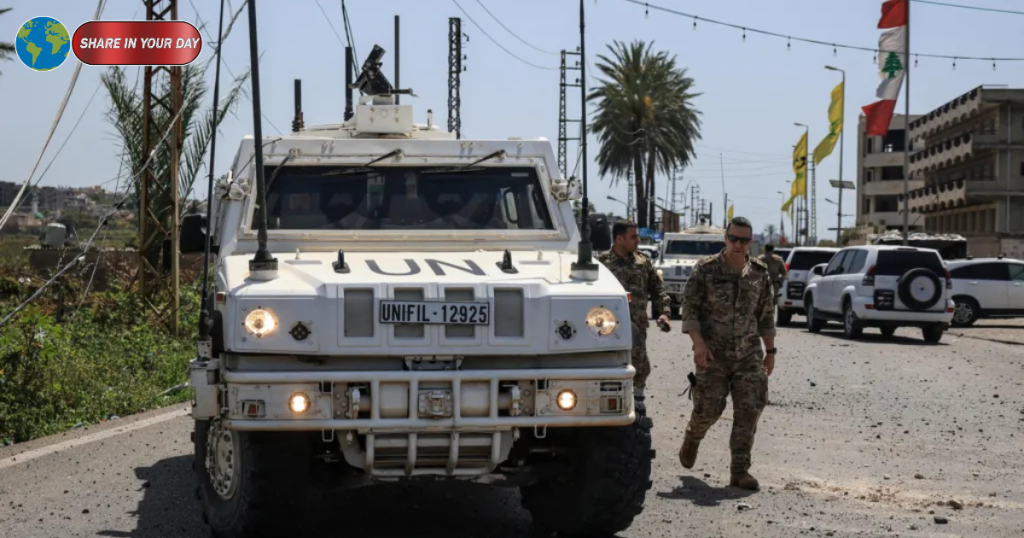
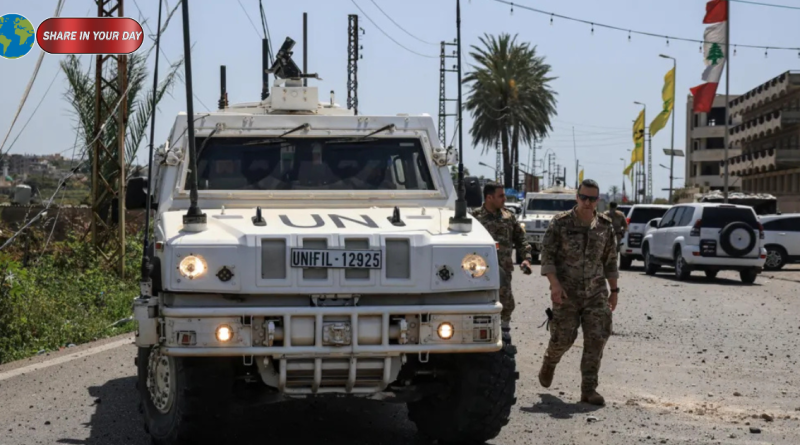
The attack occurred during a United Nations Interim Force in Lebanon (UNIFIL) mission, underscoring the fragile security situation despite recent ceasefire efforts. As investigations begin, questions are mounting over responsibility, accountability, and the future of peacekeeping operations in the region.
Deadly Ambush on UN Patrol
According to initial reports, the peacekeeper was part of a UN patrol traveling through southern Lebanon when the group came under fire from small arms at close range. Three additional peacekeepers were injured, with two reportedly in serious condition.
The patrol had been engaged in a critical task—clearing explosive ordnance and restoring access to isolated UN positions affected by recent hostilities.
Officials described the attack as deliberate, with the peacekeeper reportedly struck by a direct shot shortly after the ambush began. Despite efforts by fellow soldiers to save him, he succumbed to his injuries on site.
Rising Tensions in Southern Lebanon
The killing of the French peacekeeper comes at a particularly sensitive time. Southern Lebanon has seen heightened instability following renewed clashes between Israeli forces and Hezbollah earlier in the year.
Although a ceasefire agreement had recently been implemented, the region remains volatile. Armed groups continue to operate in the area, and sporadic violence has persisted despite international calls for restraint.
The United Nations has repeatedly warned that peacekeepers are increasingly exposed to danger, especially as they attempt to maintain stability in contested zones.
France Points to Hezbollah
In the aftermath of the attack, French President Emmanuel Macron suggested that Hezbollah was likely responsible. He called on Lebanese authorities to swiftly identify and apprehend those involved.
“Everything suggests responsibility lies with Hezbollah,” Macron stated, urging immediate action to ensure accountability.
However, Hezbollah has strongly denied any involvement in the incident. The group dismissed the accusations as premature and unfounded, calling for a thorough investigation before assigning blame.
This divergence in narratives reflects the broader geopolitical complexities surrounding the conflict, where multiple actors operate with overlapping interests and contested accountability.
UN Condemns ‘Grave Violation’
The United Nations swiftly condemned the attack, describing it as a serious violation of international law. A spokesperson emphasized that peacekeepers are protected under international humanitarian law and that any deliberate attack on them could constitute a war crime.
UN officials also indicated that initial assessments pointed to “non-state actors” as the likely perpetrators, though investigations remain ongoing.
The organization reiterated its call for all parties to respect the ceasefire and ensure the safety of UN personnel operating in the region.
Lebanon Promises Investigation
Lebanese authorities have pledged a full investigation into the incident. President Joseph Aoun and Prime Minister Nawaf Salam both condemned the attack, emphasizing the importance of accountability.
The Lebanese army has stated that it is working closely with UNIFIL to determine the circumstances surrounding the ambush. Officials described the situation as part of a “sensitive phase” in southern Lebanon, where tensions remain high.
The commitment to investigate may help ease international pressure, but it also underscores the challenges Lebanon faces in maintaining control over armed groups within its territory.
A History of Danger for Peacekeepers
The killing of the French soldier is not an isolated incident. UN peacekeepers in Lebanon have long operated in a high-risk environment, with more than 300 personnel killed since the mission’s establishment in 1978.
The UNIFIL mission was originally created to oversee Israeli withdrawal from southern Lebanon and to help restore peace and security. Over time, its mandate has expanded, particularly after the 2006 war between Israel and Hezbollah.
Today, UNIFIL plays a crucial role in monitoring the ceasefire along the Blue Line—the de facto border between Lebanon and Israel—and supporting the Lebanese army in maintaining stability.
Ceasefire Under Threat
The recent attack raises serious concerns about the durability of the current ceasefire. While international actors, including the United States, have urged all parties to adhere to the agreement, incidents like this highlight the fragility of the situation.
Even isolated acts of violence can escalate quickly, potentially triggering broader conflict in an already tense region. The presence of multiple armed groups, combined with geopolitical rivalries, makes sustained peace difficult to achieve.
Impact on International Relations
The death of a French peacekeeper is likely to have diplomatic repercussions. France, a key contributor to UNIFIL, may increase pressure on Lebanon to ensure the safety of peacekeeping forces.
The incident could also influence broader international engagement in the region, as countries reassess the risks associated with peacekeeping missions.
At the same time, the attack underscores the importance of continued international involvement. Without UNIFIL, the risk of escalation between Israel and Hezbollah could be significantly higher.
Voices Calling for Restraint
In the wake of the attack, global leaders and organizations have called for restraint and de-escalation. The United Nations has urged all parties to avoid actions that could undermine the ceasefire.
Hezbollah, despite denying involvement, also called for caution in assigning blame, emphasizing the need for a thorough investigation.
These calls reflect a shared recognition of the stakes involved. Any escalation could have far-reaching consequences, not only for Lebanon but for the broader Middle East.
The Human Cost of Conflict
Beyond the geopolitical implications, the incident serves as a stark reminder of the human cost of conflict. Peacekeepers are deployed to maintain stability and protect civilians, often at great personal risk.
The loss of life in this incident highlights the dangers faced by those serving on the front lines of international peacekeeping efforts.
For the family of the fallen soldier, the tragedy is deeply personal. For the international community, it is a sobering reminder of the challenges involved in maintaining peace in conflict zones.
What Happens Next?
As investigations continue, attention will focus on identifying those responsible and ensuring accountability. The outcome of this process could influence future peacekeeping operations and international engagement in Lebanon.
At the same time, efforts to stabilize the region must continue. Strengthening the ceasefire, enhancing coordination between UNIFIL and local authorities, and addressing underlying tensions will be critical.
Conclusion: A Critical Moment for Peacekeeping
The killing of a French peacekeeper in Lebanon marks a critical moment for both the UN mission and the broader region. It underscores the risks faced by peacekeepers and the fragile nature of peace in conflict zones.
As the world watches how this situation unfolds, one thing is clear: maintaining stability in southern Lebanon will require sustained effort, cooperation, and a renewed commitment to peace.
In the face of tragedy, the mission of peacekeeping remains as vital as ever.