Russia Says Ukraine Attack on Fuel Trucks Endangered Zaporizhzhia Nuclear Plant
Russia’s state nuclear energy chief has accused Ukrainian forces of attacking diesel fuel trucks near the Russian-controlled Zaporizhzhia nuclear power plant, saying the strikes killed two Russian servicemen and created additional risks for the safety of Europe’s largest nuclear facility.
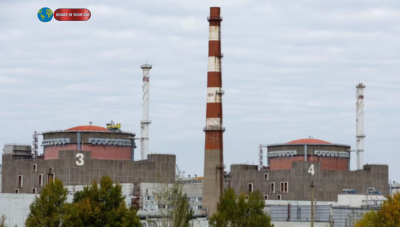
Alexei Likhachev, head of Russia’s state nuclear corporation Rosatom, said the attack took place on Friday and involved what he described as a series of coordinated strikes against vehicles delivering diesel fuel to the plant.
According to Likhachev, the attacks occurred close to the perimeter of the nuclear facility. Several other Russian servicemen were reportedly wounded, some seriously.
The allegations could not immediately be independently verified. Ukraine has not accepted responsibility for the reported attack, while Kyiv and Moscow have repeatedly accused each other of actions that could threaten safety at the Zaporizhzhia plant.
The latest incident comes as fighting between Russia and Ukraine continues to intensify, with both sides increasingly striking energy facilities, industrial sites and other infrastructure far from the front lines.
Fuel Supplies Critical to Nuclear Safety
The dispute over the fuel trucks is particularly significant because diesel is an important part of the emergency power system at the Zaporizhzhia plant.
The facility has six reactors and is currently not generating electricity. However, the reactors still require reliable power systems to maintain critical safety functions, including cooling nuclear fuel.
Diesel generators can provide backup electricity if the plant loses access to external power supplies.
Likhachev said the fuel trucks were carrying diesel needed for those emergency systems. He described the reported attack as an attempt to jeopardize the plant’s safety.
The concern is especially serious because the facility has experienced periods in which its external electricity connections have been unavailable.
Reuters reported that both external power links to the plant were down for nearly three weeks during August and September. That made backup systems and fuel supplies particularly important for maintaining safe conditions at the facility.
A prolonged loss of external power does not automatically mean a nuclear accident will occur, but it can increase pressure on emergency systems and complicate efforts to keep reactors and spent nuclear fuel safely cooled.
Zaporizhzhia Remains Under Russian Control
Russian forces seized the Zaporizhzhia nuclear power plant during the early weeks of the full-scale invasion of Ukraine in 2022.
The facility is located in southeastern Ukraine and has remained one of the most sensitive sites in the war.
Ukraine has repeatedly demanded that Russian forces leave the plant and that control be returned to Kyiv. Russia has rejected that demand.
The plant has not produced electricity during the current period of Russian control, but its six reactors and associated nuclear material still require continuous safety management.
Both Moscow and Kyiv have repeatedly accused each other of attacks or other actions that could endanger the facility.
The International Atomic Energy Agency, the United Nations nuclear watchdog, has maintained a permanent presence at the plant. Its experts monitor conditions and communicate with both sides in an effort to reduce the possibility of a nuclear accident.
IAEA Has Played a Key Role
The IAEA has repeatedly warned about the dangers created by military activity around the nuclear facility.
The agency has also served as an intermediary during disputes involving power supplies and access to the plant.
Last month, the IAEA helped facilitate a local ceasefire that allowed critical repairs to be carried out and external electricity connections to be restored, according to Reuters.
That role could become even more important if fighting around the plant increases.
Any prolonged disruption to electricity or fuel supplies would raise concerns among nuclear safety officials because the facility depends on multiple layers of backup protection.
The latest Russian accusation therefore comes at a particularly sensitive time.
Broader Attacks Intensify Across Ukraine
The reported incident near Zaporizhzhia is part of a broader escalation in long-range attacks by both Russia and Ukraine.
Russia launched hundreds of drones against Ukrainian targets over the weekend, according to Ukrainian officials. Strikes hit several regions, killing civilians and damaging residential buildings and infrastructure.
Ukraine has also intensified its attacks on Russian territory, targeting energy facilities, industrial sites and other infrastructure.
The increasing focus on economic and logistical targets has expanded the impact of the war well beyond the traditional front lines.
President Volodymyr Zelenskiy said Russia was increasingly targeting infrastructure and economic assets in an effort to weaken Ukraine’s ability to withstand the conflict. Russia, meanwhile, says its strikes are directed at military and strategic targets.
The competing claims make incidents such as the reported attack near Zaporizhzhia particularly difficult to assess independently.
Nuclear Safety Remains the Main Concern
Regardless of who was responsible for the fuel-truck attack, the incident highlights the continuing vulnerability of the Zaporizhzhia nuclear facility during wartime.
The plant is one of the largest nuclear facilities in Europe, and any serious disruption to its power or cooling systems could have consequences extending far beyond the immediate battlefield.
The IAEA has repeatedly emphasized the importance of maintaining external power, protecting essential equipment and avoiding military activity that could compromise nuclear safety.
For now, the plant remains under Russian control and is not generating electricity.
But the continuing fighting means its safety systems remain a central concern for international nuclear authorities.
The latest accusations also demonstrate how closely military operations and nuclear safety have become intertwined in the Ukraine war.
With Russia and Ukraine continuing to exchange long-range strikes, the pressure on the Zaporizhzhia facility is unlikely to disappear soon.
For residents across the region and international nuclear officials watching the site, the priority remains the same: keeping the plant’s reactors and nuclear material safely managed while preventing the conflict from creating conditions that could lead to a much more serious nuclear emergency.