Pope Francis Final Days: Emotional Legacy Revealed
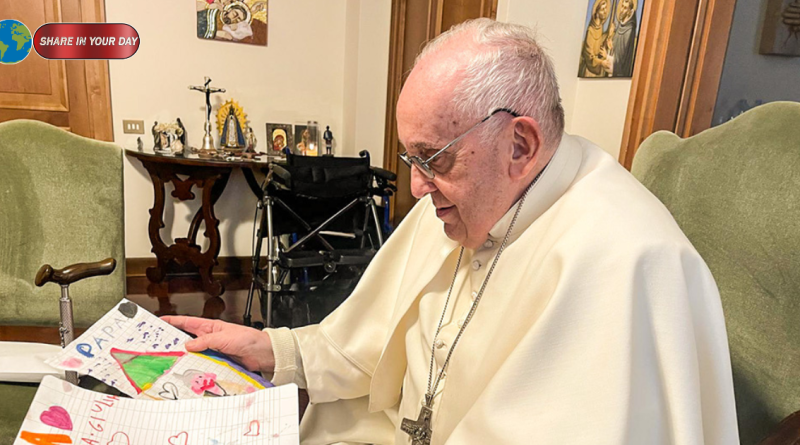
The story of Pope Francis final days has emerged as a deeply personal and emotional portrait of a leader whose humility, compassion, and spiritual devotion defined his life until the very end. One year after his passing, new revelations from close friends and collaborators shed light on the private moments, relationships, and enduring legacy of one of the most influential popes in modern history.
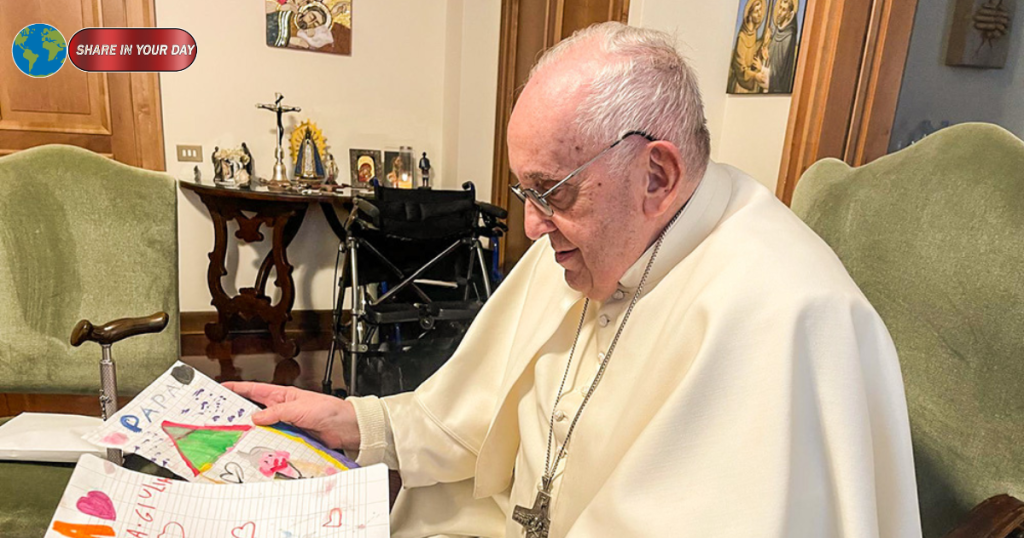
Through intimate accounts and newly published reflections, the world is gaining a clearer understanding of the man behind the papacy—and the quiet legacy he left behind.
A Quiet Ending After a Global Impact
Pope Francis, born Jorge Mario Bergoglio, passed away on April 21, 2025, at the age of 88, following health complications after a prolonged illness.
Despite his global influence, the immediate aftermath of his death was marked by simplicity and urgency. Within hours, his personal belongings were carefully packed and removed from Casa Santa Marta, the Vatican residence where he had chosen to live instead of the traditional papal apartments.
This rapid clearing reflected both practical necessity—preparing for the conclave—and a symbolic reminder of Francis’ minimalist lifestyle.
The Intimate Details That Defined Him
Among the most touching revelations about the Pope Francis final days is a small but powerful detail: a photograph discovered in his study.
The image, belonging to a Vatican journalist and his family, had been placed beneath a statue of St. Joseph. It was one of many personal items Francis kept as part of his nightly prayers, demonstrating his deeply personal approach to spirituality.
He was known to tell those close to him: “I always pray for you. You must do the same for me.”
This simple gesture reflects a broader truth about Francis—his papacy was rooted not in grandeur, but in human connection.
A Pope of Personal Relationships
Unlike many of his predecessors, Francis cultivated close, almost familial relationships with journalists, aides, and ordinary people.
The recently published book Padre: An Untold Portrait of Pope Francis highlights these bonds, revealing a pope who valued trust, loyalty, and shared humanity over formal hierarchy.
Rather than maintaining distance, Francis welcomed personal interactions:
- He made spontaneous phone calls
- He remembered individual stories
- He prayed for specific people by name
These actions created a legacy that transcended institutional leadership and entered the realm of personal influence.
A Legacy Built on Compassion
The Pope Francis final days narrative cannot be separated from the broader legacy he leaves behind.
Francis will be remembered for reshaping the tone of the Catholic Church. His leadership emphasized:
- Mercy over judgment
- Inclusion over exclusion
- Dialogue over division
According to reflections published one year after his death, his greatest contribution was not doctrinal change but a transformation in how the Church understands itself and its mission in the world.
He championed a “Church of the peripheries,” focusing on the poor, migrants, and marginalized communities.
The Final Easter and Last Public Moments
In the days leading up to his death, Francis remained committed to his duties despite declining health.
He made a final public appearance during Easter celebrations, greeting the faithful and offering blessings—a moment that would become symbolic of his dedication.
This final act encapsulated his entire papacy:
- Presence among the people
- Faith in action
- Commitment until the end
A Papacy That Changed the Church
Francis’ influence extended far beyond personal relationships. His leadership marked a significant shift in the Catholic Church’s global identity.
Experts suggest his papacy represented a transition from a Europe-centered institution to a truly global Church.
Key elements of his reform included:
- Promoting synodality (shared leadership)
- Encouraging open dialogue within the Church
- Addressing modern social and moral challenges
Rather than imposing sweeping reforms, Francis focused on long-term change—what he often described as “starting processes” rather than seeking immediate results.
The Role of Faith in His Final Days
Faith was central to the Pope Francis final days, not just as doctrine but as daily practice.
His routine of prayer, symbolized by the personal items he kept close, reflected a deeply lived spirituality.
Even in private, Francis remained:
- A pastor first, not a politician
- A servant, not a ruler
- A believer among believers
This authenticity resonated with millions and continues to define his legacy.
The Transition After His Death
Following Francis’ passing, the Vatican entered a period of transition that led to the election of his successor, Pope Leo XIV.
The new pope has openly acknowledged Francis’ influence, praising his life of service and commitment to the poor and marginalized.
This continuity suggests that Francis’ vision for the Church will endure beyond his lifetime.
Why His Legacy Still Matters Today
One year later, the story of Pope Francis final days continues to resonate across the world.
His legacy matters because it addresses some of the most pressing issues facing humanity:
- Social inequality
- Climate change
- Migration
- Interfaith dialogue
By focusing on compassion and unity, Francis provided a framework for addressing these challenges within both religious and secular contexts.
A Human Story Behind the Papacy
Ultimately, what makes the Pope Francis final days so compelling is their humanity.
Behind the global figure was a man who:
- Prayed for friends
- Cherished personal memories
- Lived simply despite immense responsibility
These qualities transformed the papacy into something more accessible and relatable.
Final Reflection: A Legacy That Lives On
The revelations surrounding Pope Francis final days offer more than historical insight—they provide a blueprint for leadership grounded in humility, empathy, and faith.
His life reminds us that true influence does not come from power alone, but from connection, compassion, and consistency.
As the Catholic Church moves forward, the legacy of Pope Francis remains a guiding force—quiet yet powerful, simple yet profound.