
Man City vs Arsenal: 7 Tactical Build-Up Secrets Revealed
The Man City vs Arsenal build-up in their latest Premier League clash was far more than just a battle for three points—it was a masterclass in modern football tactics. Beneath the surface of a dramatic 2-1 victory for Manchester City, subtle positional changes, pressing triggers, and intelligent movement defined the game.
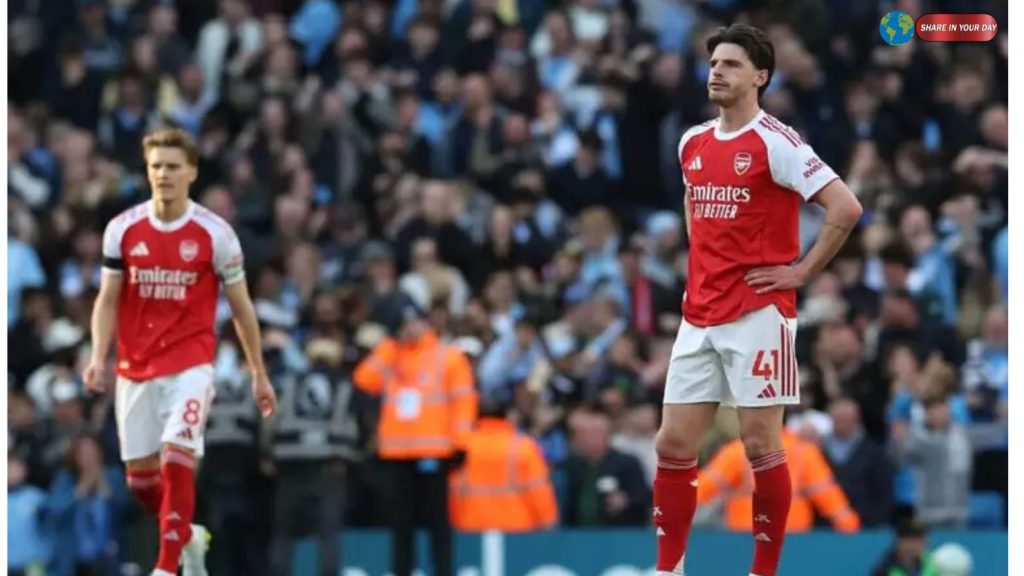
While casual viewers focused on goals and controversy, analysts noticed deeper patterns that ultimately decided the match—and possibly the title race.
Here are seven key build-up secrets you may have missed.
1. City’s “False Structure” Confused Arsenal’s Press
One of the defining elements of the Man City vs Arsenal build-up was how Pep Guardiola disrupted Arsenal’s high press.
Instead of sticking to a predictable formation, City created a fluid structure where midfielders dropped deep and defenders spread wide. This forced Arsenal into a dilemma: follow runners and leave space, or hold shape and allow City time on the ball.
This subtle tweak broke Arsenal’s pressing rhythm and allowed City to progress the ball more efficiently through the thirds.
2. Arsenal’s Aggressive Start Nearly Worked
Mikel Arteta’s plan was clear: press early, press high, and force mistakes.
In the opening stages, Arsenal executed this strategy well. They disrupted City’s rhythm and nearly capitalized on defensive hesitation. In fact, their equalizer came from exactly that—a pressing situation that forced a goalkeeping error.
However, maintaining that intensity proved difficult over 90 minutes, especially against a side as technically precise as City.
3. Rodri’s Deep Movements Were Crucial
A key factor in the Man City vs Arsenal build-up was the positioning of Rodri.
By dropping between center-backs, he created an overload in the first phase of build-up. This forced Arsenal’s midfielders into uncomfortable decisions—either press and leave gaps or stay compact and concede space.
Rodri’s ability to receive under pressure and dictate tempo allowed City to control transitions and reset play when needed.
4. Haaland Played Beyond the Box
Erling Haaland’s role extended far beyond scoring goals.
Instead of staying high, he frequently dropped deeper or drifted wide, dragging defenders out of position. This created space for midfield runners and wingers to exploit.
His movement directly contributed to City’s attacking fluidity and ultimately to the winning goal, showcasing a more complete tactical role than many expect from a traditional striker.
5. Quick Transitions Made the Difference
Although both teams focused on structured build-up, transitions were decisive.
City capitalized on moments when Arsenal’s shape was slightly off-balance. After regaining possession, they quickly moved the ball forward, catching Arsenal before they could reorganize defensively.
The winning goal came from such a moment, highlighting how speed of decision-making can outweigh structured play in key moments.
6. Arsenal’s Risk-Taking Backfired Late On
Arsenal’s commitment to attacking football was admirable—but risky.
As the game progressed, their high defensive line and aggressive pressing left gaps that City increasingly exploited. While Arsenal created chances, they also exposed themselves to counterattacks.
This balance between ambition and control ultimately tipped in City’s favor, especially in the second half when fatigue set in.
7. Mental Pressure Influenced Build-Up Decisions
The Man City vs Arsenal build-up was not just tactical—it was psychological.
With the Premier League title race on the line, both teams showed signs of pressure. Arsenal, in particular, appeared slightly more anxious in key moments, leading to rushed passes and defensive lapses.
Meanwhile, City displayed composure, a trait often associated with title-winning teams. Their ability to stay calm under pressure allowed them to execute their build-up more effectively.
A Turning Point in the Title Race
Manchester City’s 2-1 victory significantly shifted momentum in the Premier League title race.
Arsenal still holds a narrow lead, but City now has a game in hand and growing confidence.
The psychological impact of this match could prove just as important as the tactical one. Arsenal, once comfortably ahead, now faces mounting pressure to maintain their position.
Guardiola vs Arteta: A Tactical Rivalry Evolves
This match also highlighted the evolving rivalry between Pep Guardiola and Mikel Arteta.
Once mentor and assistant, the two managers now engage in a tactical chess match each time they meet. Guardiola’s adaptability once again proved decisive, but Arteta’s bold approach showed that Arsenal is no longer a passive contender.
Their contrasting philosophies—control versus aggression—continue to shape some of the most compelling matches in modern football.
What This Means for Modern Football
The Man City vs Arsenal build-up offers broader lessons for the game:
- Build-up play is no longer rigid—it’s dynamic and adaptive
- Pressing systems must evolve to counter positional fluidity
- Strikers are increasingly involved in link-up play
- Mental strength is as important as tactical execution
These trends reflect how elite football continues to evolve, with managers constantly innovating to gain even the smallest edge.
Conclusion
The Man City vs Arsenal build-up was a showcase of elite tactical thinking, where minor adjustments had major consequences.
While the scoreline may seem straightforward, the underlying battle was anything but simple. From Rodri’s positioning to Haaland’s movement, every detail contributed to a finely balanced contest that could define the season.
As the Premier League title race enters its final stretch, one thing is clear: matches like this are decided not just by moments of brilliance, but by the invisible details hidden within the build-up.