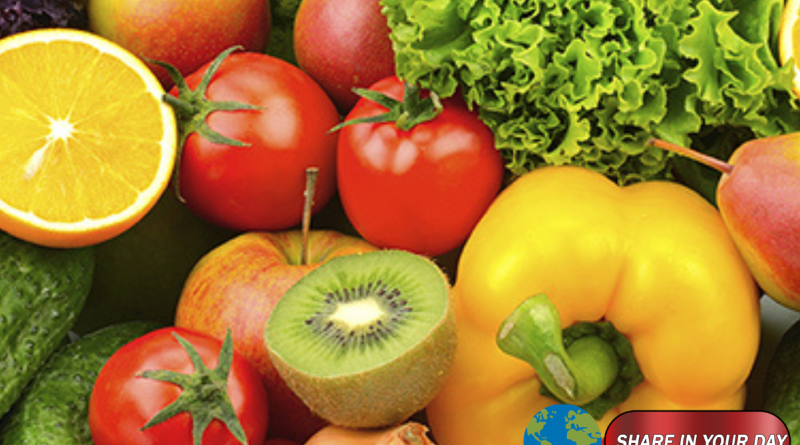
Healthy Diet Lung Cancer Myth: 7 Shocking Study Flaws
The phrase healthy diet lung cancer has recently dominated headlines, sparking confusion and concern worldwide. Reports suggested that eating healthier foods could somehow increase the risk of lung cancer—a claim that contradicts decades of established nutritional science.
However, experts are now pushing back hard. According to analysis highlighted in Ars Technica, the study behind these alarming headlines is being widely criticized as deeply flawed, poorly interpreted, and misleading.
So what really happened? And should anyone actually worry that eating fruits, vegetables, and whole grains could be harmful?

Where the Healthy Diet Lung Cancer Claim Came From
The controversy began when a study attempted to link certain dietary patterns with lung cancer cases. Some media outlets quickly turned the findings into sensational headlines suggesting a direct connection between healthy eating and increased cancer risk.
But scientists say this interpretation is not only inaccurate—it’s dangerously misleading.
In reality, research on diet and cancer is complex. Most studies in this field are observational, meaning they track patterns rather than prove cause and effect. As a result, conclusions must be handled carefully.
Even previous large-scale analyses have shown the opposite trend. A meta-analysis found that healthy dietary patterns are generally associated with lower lung cancer risk, not higher.
The Core Problem: Correlation Is Not Causation
One of the biggest issues with the healthy diet lung cancer narrative is a classic scientific mistake: confusing correlation with causation.
Just because two things occur together does not mean one causes the other.
For example, people who eat healthier diets may also:
- Be older (age increases cancer risk)
- Have different medical screening habits
- Live in urban areas with higher pollution exposure
These hidden variables—known as confounders—can completely distort study results.
Experts emphasize that failing to properly control for these factors can lead to absurd conclusions, like blaming healthy food for diseases primarily caused by smoking or environmental exposure.
Smoking Still Dominates Lung Cancer Risk
To understand why the healthy diet lung cancer claim is problematic, it’s essential to look at the primary cause of the disease.
Smoking remains overwhelmingly the leading risk factor for lung cancer. Other contributors include:
- Air pollution
- Occupational exposure (e.g., asbestos)
- Genetic predisposition
Diet, by comparison, plays a much smaller and indirect role.
Even studies that explore dietary links typically find only modest associations, not strong causal relationships.
This makes headlines suggesting that “healthy eating causes lung cancer” not just misleading—but scientifically implausible.
Weak Data and Poor Study Design
Another major criticism of the study is its reliance on weak or incomplete data.
Many diet-related studies depend on:
- Self-reported food intake
- Questionnaires completed years earlier
- Limited tracking of lifestyle changes
This introduces significant room for error.
For instance, participants may misremember what they ate, or their diets may change over time. Meanwhile, key variables—like smoking intensity or environmental exposure—may not be fully accounted for.
Such limitations make it extremely difficult to draw reliable conclusions.
The Role of Media Amplification
While flawed research is not uncommon, what turned this into a global controversy was how the findings were reported.
Several outlets amplified the results without proper context, creating viral headlines that implied a direct and alarming link between healthy eating and cancer.
This reflects a broader issue in health journalism:
- Complex findings are simplified into catchy headlines
- Nuance is lost in favor of clicks
- Preliminary research is treated as definitive
As a result, public understanding of science can become distorted.
What Science Actually Says About Diet and Lung Cancer
When looking at the broader body of evidence, the consensus is clear: healthy diets are beneficial, not harmful.
Research consistently shows that diets rich in:
- Fruits
- Vegetables
- Whole grains
- Lean proteins
are associated with better overall health outcomes, including lower risks of many chronic diseases.
In contrast, unhealthy dietary patterns—particularly those high in ultra-processed foods—have been linked to increased disease risk, including potential associations with lung cancer.
However, even these findings come with important caveats:
- They show associations, not causation
- The overall risk increase is relatively small
- Other factors (like smoking) remain far more significant
Why Misleading Studies Matter
At first glance, a flawed study might seem harmless. But in reality, it can have serious consequences.
Misinformation about health and nutrition can:
- Undermine public trust in science
- Discourage healthy behaviors
- Create unnecessary fear
If people begin to doubt the benefits of healthy eating, the long-term impact on public health could be significant.
This is why scientists and health experts are quick to challenge misleading claims.
The Bigger Issue: Scientific Literacy
The healthy diet lung cancer controversy highlights a deeper problem—limited public understanding of how science works.
Key concepts that are often misunderstood include:
- The difference between correlation and causation
- The limitations of observational studies
- The importance of peer review and replication
Without this understanding, it becomes easier for misleading narratives to spread.
Improving scientific literacy is essential for helping people interpret health news more accurately.
How to Evaluate Health Headlines
To avoid falling for misleading claims, experts recommend asking a few simple questions:
- Does the study prove causation or just correlation?
- Are other factors (like smoking) accounted for?
- Is the sample size large and diverse?
- Have the findings been replicated?
- Are experts criticizing the study?
If the answers raise doubts, the headline may not tell the full story.
The Bottom Line
The healthy diet lung cancer narrative is a textbook example of how flawed research and sensational reporting can combine to create widespread confusion.
There is no credible evidence that eating a healthy diet increases lung cancer risk. In fact, the overwhelming body of research points in the opposite direction.
While no single factor can completely eliminate cancer risk, maintaining a balanced diet remains one of the most effective ways to support overall health.
As the debate continues, one thing is clear: science requires careful interpretation—and headlines don’t always tell the truth.