Taiwan President Cancels Trip After China Pressure Revealed
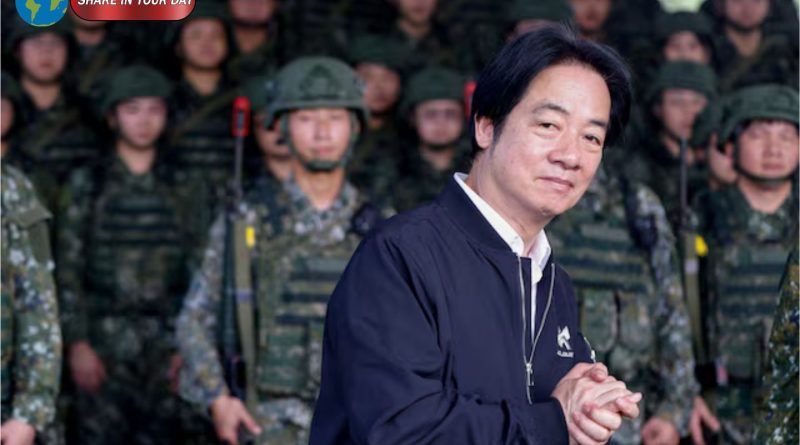
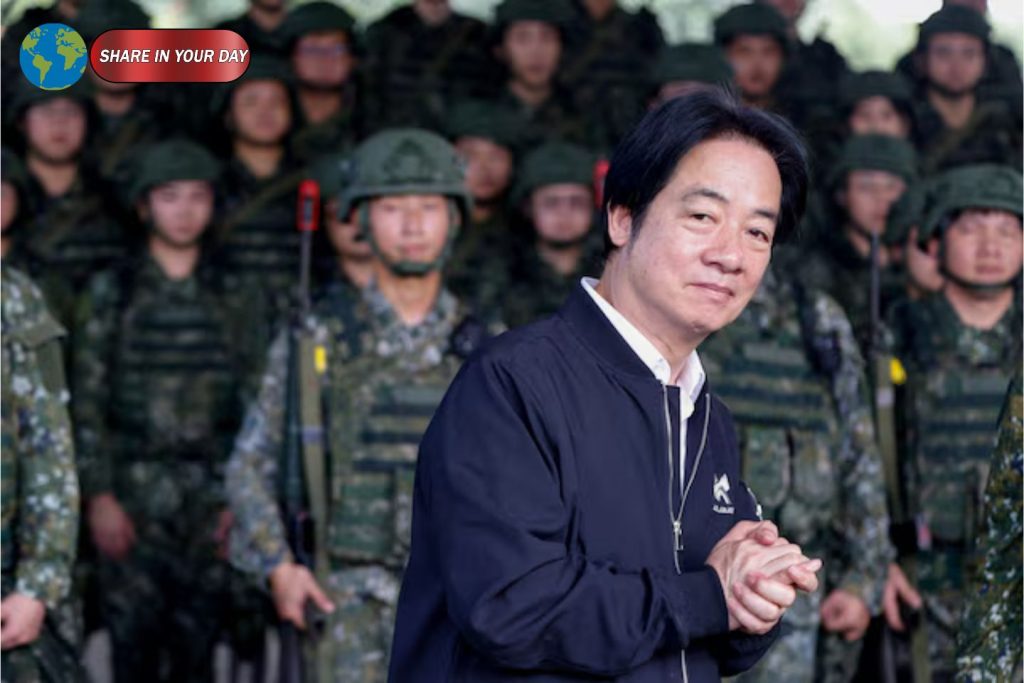
The Taiwan president cancels trip story has sparked global attention after Lai Ching-te abruptly called off his planned visit to Eswatini, citing mounting pressure from China on several African nations. The unexpected decision underscores rising geopolitical tensions and highlights Beijing’s expanding influence across the Global South.
Sudden Cancellation Raises Diplomatic Alarm
The announcement came just days before Lai was scheduled to depart for Eswatini, Taiwan’s last remaining diplomatic ally in Africa. The trip, planned for April 22–26, was meant to mark the 40th anniversary of King Mswati III’s accession to the throne.
However, the visit was derailed after three countries—Seychelles, Mauritius, and Madagascar—revoked previously approved overflight permissions for the Taiwanese presidential aircraft without warning.
According to officials in Taipei, these decisions made the journey logistically impossible.
Taiwan Accuses China of Economic Coercion
Taiwan’s government was quick to point the finger at China. Officials alleged that Beijing exerted “intense pressure,” including economic coercion, to persuade the African nations to deny access.
A senior Taiwanese security official indicated that China may have threatened economic consequences, such as withdrawing debt relief or investment support, to influence the decisions.
Beijing, which views Taiwan as a breakaway province, has long opposed any official diplomatic engagement between Taipei and other nations. While China did not immediately respond to requests for comment, its policy stance remains clear: countries maintaining ties with Beijing are discouraged—often strongly—from engaging with Taiwan.
A First in Taiwan’s Diplomatic History
This development marks a significant moment in Taiwan’s modern diplomatic history. It is believed to be the first time a Taiwanese president has been forced to cancel an overseas trip due to external political pressure.
Traditionally, Taiwanese leaders have been able to transit through countries without formal diplomatic relations. However, this incident suggests that China’s reach may be expanding beyond formal alliances into broader logistical and geopolitical influence.
Lai himself condemned the situation, describing China’s actions as a threat to international stability and the rules-based global order.
Why Eswatini Matters to Taiwan
The cancellation is particularly significant because of Eswatini’s unique role in Taiwan’s foreign relations. The southern African kingdom is the only country on the continent that still maintains formal diplomatic ties with Taipei.
Over the years, Taiwan has invested heavily in Eswatini, providing development aid, infrastructure support, and medical assistance. These ties have remained strong despite increasing pressure from Beijing for countries to switch recognition.
Currently, Taiwan has official diplomatic relations with only about 12 countries worldwide, most of them smaller nations in Latin America, the Caribbean, and the Pacific.
China’s Expanding Influence in Africa
The incident also sheds light on China’s growing economic and political footprint in Africa. Over the past decade, Beijing has significantly increased investments across the continent, funding infrastructure projects, loans, and development programs.
This influence has translated into diplomatic leverage. Several countries have switched recognition from Taiwan to China in recent years, including Nicaragua, Honduras, and Nauru.
In this context, the denial of airspace access to Taiwan’s president is seen by analysts as part of a broader strategy to isolate Taipei internationally.
Reactions from African Nations
The countries involved have offered measured responses.
Officials in Seychelles stated that their decision was consistent with long-standing policy and procedures, emphasizing that they do not recognize Taiwan as a sovereign state.
Similarly, Madagascar confirmed that its actions aligned with its adherence to the “One China” policy, which recognizes Beijing as the sole legitimate government of China.
Mauritius did not immediately comment on the situation.
While these responses stop short of directly acknowledging Chinese pressure, they reflect the complex diplomatic balancing act many nations face when navigating relations with China and Taiwan.
Rising Tensions Between Taipei and Beijing
The cancellation comes amid already heightened tensions between Taiwan and China. Since taking office, Lai Ching-te has been viewed with suspicion by Beijing, which labels him a “separatist.”
Lai, however, has maintained that only the people of Taiwan can determine their future, rejecting China’s sovereignty claims.
China has responded with increased military activity around Taiwan and intensified diplomatic efforts to isolate the island internationally.
This latest episode adds another layer to the ongoing geopolitical rivalry, demonstrating how influence can extend beyond military and economic spheres into areas like aviation and international logistics.
Global Implications of the Cancellation
The broader implications of this incident go beyond Taiwan and China. It raises questions about:
- The extent of China’s influence over third-party nations
- The vulnerability of smaller countries to economic pressure
- The future of diplomatic engagement for Taiwan
Moreover, it highlights the challenges faced by countries that seek to maintain neutrality while benefiting from Chinese investment.
For Taiwan, the incident may prompt a reassessment of its diplomatic strategies, particularly in regions where China holds significant sway.
What Happens Next?
Despite the setback, Lai Ching-te reaffirmed Taiwan’s commitment to engaging with the international community. He emphasized that external pressure would not deter the island’s efforts to contribute globally.
Looking ahead, Taiwan may explore alternative routes or diplomatic channels to maintain its international presence. However, the challenges posed by China’s growing influence are unlikely to diminish anytime soon.
For now, the canceled trip serves as a stark reminder of the geopolitical realities shaping global diplomacy in 2026.
A Defining Moment for Taiwan’s Foreign Policy
The Taiwan president cancels trip episode may prove to be a defining moment for Taiwan’s foreign policy. It illustrates not only the constraints faced by Taipei but also the evolving nature of international power dynamics.
As China continues to expand its reach, incidents like this could become more frequent, reshaping how nations interact on the global stage.
For observers worldwide, the message is clear: diplomacy in today’s world is no longer confined to formal agreements—it is increasingly influenced by economic power, strategic pressure, and geopolitical competition.