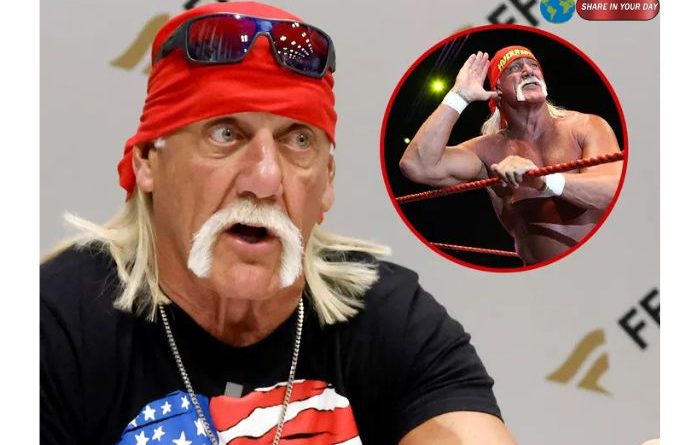
Hulk Hogan Fentanyl Use Revealed: Shocking Daily Doses
The story of Hulk Hogan fentanyl use has taken a disturbing turn following new revelations from a recently released documentary and reports highlighted by TMZ. The wrestling legend, whose real name was Terry Bollea, reportedly consumed staggering and potentially lethal amounts of fentanyl daily during one of the darkest periods of his life.
These claims, which surfaced after his death in 2025, paint a raw and deeply troubling picture of a man battling chronic pain, emotional trauma, and financial collapse following his highly publicized divorce from Linda Hogan.
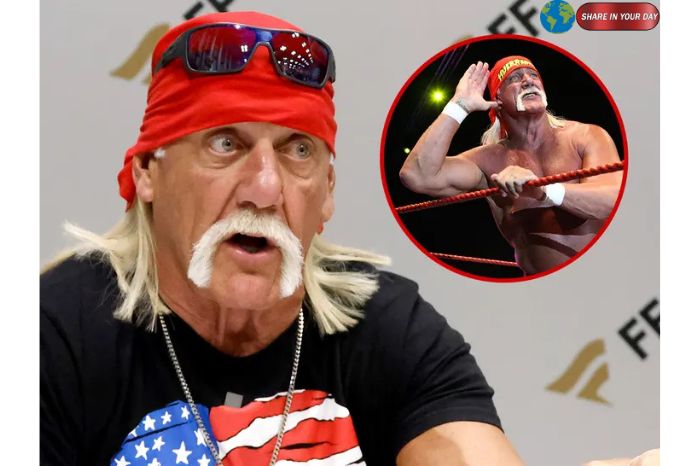
Extreme Daily Fentanyl Intake Shocks Experts
According to revelations from the Netflix docuseries Hulk Hogan: Real American, Hogan admitted to taking levels of fentanyl that stunned even medical professionals.
Reports indicate that he was consuming:
- Two 80mg fentanyl tablets daily
- Two 300mg fentanyl patches
- Six fentanyl lollipops with extremely high dosages
Medical experts cited in the documentary said the quantities were so extreme that he “should be dead,” highlighting just how dangerous the situation had become.
This level of drug intake places Hogan’s case among the most severe examples of opioid dependence ever publicly disclosed by a celebrity.
The Breaking Point: Divorce and Financial Collapse
The surge in Hulk Hogan fentanyl use can be traced back to his 2009 divorce from Linda Hogan—a turning point that dramatically altered his life.
The split reportedly left him financially devastated. Hogan himself admitted he lost a significant portion of his wealth, pushing him into what he described as “rock bottom.”
Emotionally drained and struggling with depression, he turned to substances as a coping mechanism. The combination of physical pain from decades of wrestling and mental anguish created a perfect storm.
In his own words, the period following the divorce was one of the darkest chapters of his life.
Chronic Pain from Wrestling Career
Hogan’s reliance on fentanyl was not purely emotional—it was also deeply physical.
As one of the most iconic figures in professional wrestling history, Hogan endured decades of intense physical punishment in the ring. His career, which began in the late 1970s, included countless matches, injuries, and surgeries.
Over time, the wear and tear took a massive toll on his body. By the late 2000s, he was dealing with chronic pain that severely limited his mobility and quality of life.
The documentary reveals that his condition became so debilitating that he needed assistance for basic daily tasks, including getting out of bed.
Faced with relentless pain, fentanyl became his primary means of relief.
Return to Wrestling Despite Declining Health
In a controversial move, Hogan returned to wrestling with Total Nonstop Action (TNA) after his divorce—despite being physically unfit to perform at his previous level.
The decision was largely driven by financial necessity. After losing much of his wealth, Hogan needed income, and wrestling was one of the few avenues available to him.
However, this return only worsened his condition.
Colleagues and insiders noted that Hogan was visibly struggling during this period, often pushing himself beyond his physical limits. The increased strain further fueled his dependence on fentanyl and other painkillers.
Mental Health Struggles and Dark Thoughts
The revelations about Hulk Hogan fentanyl use also shed light on his mental health struggles.
Following his divorce, Hogan admitted to experiencing severe depression and even contemplating suicide.
This emotional turmoil, combined with physical pain, created a dangerous cycle:
- Pain led to increased drug use
- Drug use worsened mental health
- Poor mental health intensified reliance on substances
The documentary portrays a man trapped in this cycle, struggling to find a way out.
A Life of Fame, Pressure, and Controversy
To fully understand Hogan’s situation, it’s important to consider the broader context of his life.
As one of the biggest stars in wrestling history, Hogan carried immense pressure throughout his career. He was the face of the industry during its peak in the 1980s and remained a major figure for decades.
However, fame came with its own challenges:
- Public scrutiny
- Personal scandals
- Physical expectations to perform
Over time, these pressures contributed to both his physical decline and emotional struggles.
The documentary also touches on various controversies that impacted his career and reputation, adding further stress to an already difficult situation.
Death and Posthumous Revelations
Hogan passed away in July 2025 at the age of 71 due to a heart attack.
In the months leading up to his death, he participated in the Netflix documentary that would later reveal these deeply personal details.
The timing of the release has amplified its impact. For many fans, the revelations have reshaped their understanding of Hogan—not just as a wrestling icon, but as a man who endured immense suffering behind the scenes.
Public Reaction and Legacy
The disclosure of Hulk Hogan fentanyl use has sparked widespread reaction.
Fans have expressed shock at the extent of his drug use, while others have shown sympathy for the circumstances that led to it.
Industry figures have also weighed in, emphasizing the physical toll that professional wrestling can take on performers.
Some see Hogan’s story as a cautionary tale about the dangers of opioid dependence, particularly among athletes dealing with chronic pain.
The Broader Opioid Crisis Context
Hogan’s case also highlights a larger issue: the opioid crisis.
Fentanyl, a powerful synthetic opioid, has been at the center of a global health crisis. Even small amounts can be fatal, making Hogan’s reported intake levels especially alarming.
His story underscores the risks associated with long-term pain management using opioids, particularly in high-impact professions like wrestling.
A Complex and Human Story
Ultimately, the revelations about Hulk Hogan fentanyl use present a complex picture.
Hogan was not just a larger-than-life figure in the ring—he was also a human being facing:
- Chronic physical pain
- Emotional trauma
- Financial stress
- Public scrutiny
These factors combined to create a situation that spiraled out of control.
Conclusion
The shocking details surrounding Hulk Hogan’s fentanyl use offer a sobering look at the hidden struggles behind fame and success.
While he will always be remembered as one of the greatest figures in wrestling history, these revelations add a new layer to his legacy—one defined not just by triumph, but also by hardship.
As fans reflect on his life, the story serves as a powerful reminder of the importance of mental health support, responsible pain management, and compassion for those battling unseen challenges.