Pilates Exercises Revealed: 5 Essential Moves for Beginners
If you’re planning to start Pilates, jumping straight into a class might not be the smartest move. According to fitness experts, mastering Pilates exercises for beginners is crucial before progressing to more advanced routines.
Pilates is widely known for improving core strength, posture, flexibility, and balance. However, without proper form and body awareness, beginners risk missing its full benefits—or worse, developing poor movement patterns that can lead to discomfort or injury.
That’s why instructors emphasize learning a few foundational exercises first. These movements train your body to move correctly, engage the right muscles, and build a strong base for long-term progress.
Why Beginners Should Master the Basics FirstBefore diving into group classes or advanced flows, understanding how your body moves is essential.
Fitness experts explain that many people develop unconscious movement habits over time. These habits can lead to inefficient exercise execution, where the wrong muscles compensate for weaker ones.
As a result:
- You may not feel exercises working correctly
- Your progress may slow down
- You increase your risk of aches or injuries
Learning proper Pilates exercises for beginners helps correct these patterns early. It builds a strong mind-muscle connection, which is the foundation of all Pilates movements.
The 5 Foundational Pilates Exercises You Must Learn
Below are the five essential exercises recommended by instructors to prepare your body for Pilates.
1. Pelvic Clock: Build Awareness and Control
The pelvic clock is one of the most important Pilates exercises for beginners. It teaches you how to find and control your neutral pelvis position.
In this exercise, you imagine your pelvis as a clock face:
- 12 o’clock = belly button
- 6 o’clock = pubic bone
- 3 and 9 o’clock = hip bones
By gently tilting your pelvis in different directions, you learn how it moves and stabilizes your core.
This movement improves pelvic awareness, which is essential for nearly every Pilates exercise. Without it, maintaining proper alignment becomes difficult.
2. Bent Knee Opening: Improve Hip ControlThis simple-looking movement focuses on hip dissociation—the ability to move your legs independently from your pelvis.
Here’s why it matters:
- Prevents unnecessary body movement
- Improves coordination
- Enhances stability during exercises
In the bent knee opening, you slowly lower one knee outward while keeping your pelvis stable. This trains your body to isolate movement, which is a key skill in Pilates.
3. Femur Arc: Activate Your Core SafelyThe femur arc is a core-focused exercise that teaches controlled leg movement while maintaining abdominal engagement.
During this movement:
- Both legs are raised into a tabletop position
- One leg lowers slowly toward the floor
- The core remains stable throughout
This exercise is a great test of readiness. If you can perform it without:
- Arching your back
- Bulging your abdomen
- Holding your breath
Then you’re likely ready to progress to more advanced Pilates routines.
4. Bridging: Strengthen Your Posterior Chain
The bridge is a powerful exercise that targets the back of your body, also known as the posterior chain.
Benefits include:
- Improved spinal mobility
- Stronger glutes and hamstrings
- Better posture
Many people have weaker muscles along the back of their body due to prolonged sitting. Bridging helps correct this imbalance and supports overall body alignment.
5. Superman (Quadruped): Improve Stability and CoordinationAlso known as the quadruped or bird-dog position, this exercise challenges your full-body coordination.
In this movement:
- You extend one arm and the opposite leg
- Maintain a neutral spine
- Keep your balance steady
This exercise reveals how well your body works as a unit. It strengthens the core, improves balance, and builds upper-body stability—all essential for Pilates success.
The Science Behind These Pilates Exercises
These five foundational moves are not random—they are carefully selected to build essential movement skills.
Together, they help you:
- Develop body awareness
- Improve coordination
- Strengthen your core
- Enhance mobility
- Reduce injury risk
Pilates is not about intensity—it’s about control. Each movement trains your nervous system to move efficiently and precisely.
Common Mistakes Beginners Should Avoid
Even when practicing Pilates exercises for beginners, mistakes can happen. Here are some common ones:
1. Rushing Through Movements
Pilates is slow and controlled. Speed reduces effectiveness.
2. Ignoring Breathing
Proper breathing helps engage the core and improves movement quality.
3. Poor Alignment
Incorrect posture can lead to discomfort and reduced results.
4. Skipping Foundations
Jumping into advanced exercises too soon can cause injury.
How to Start Your Pilates Journey at Home
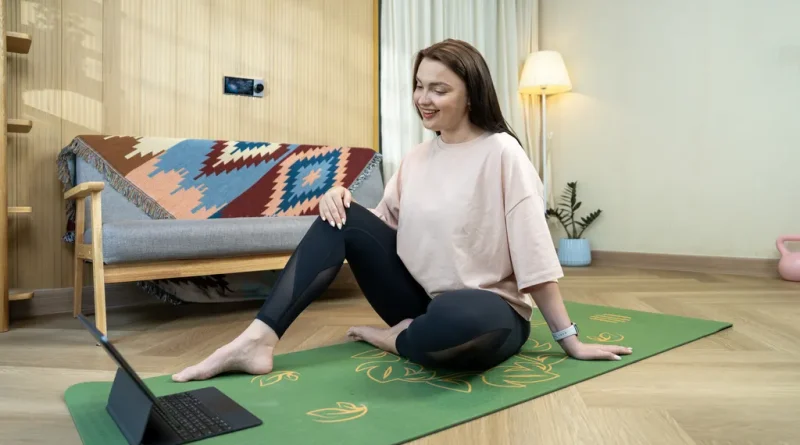
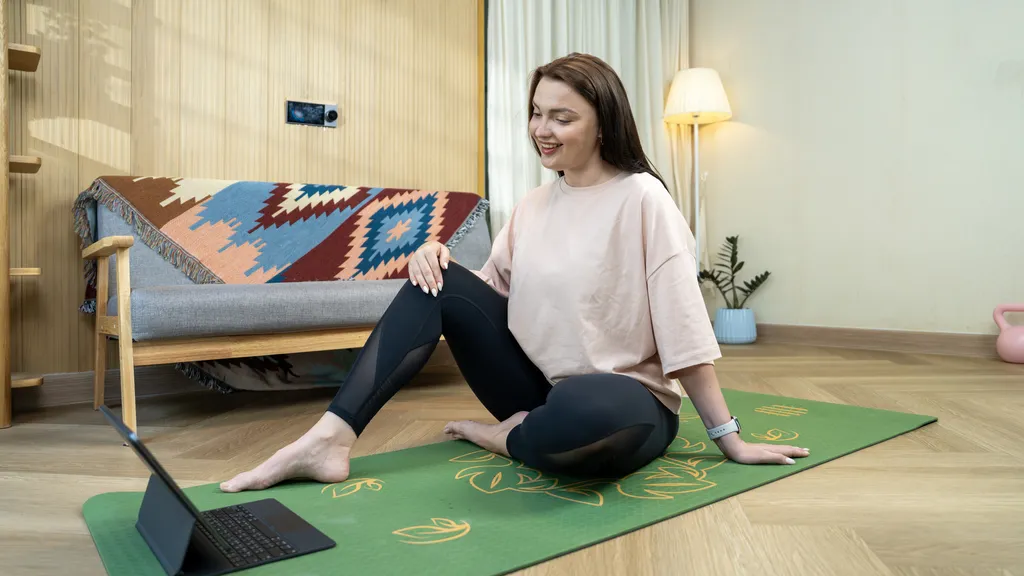
You don’t need expensive equipment to begin. A simple mat and a quiet space are enough.
Here’s a beginner-friendly approach:
- Practice these five exercises 3–4 times per week
- Focus on form, not repetitions
- Start with short sessions (10–15 minutes)
- Gradually increase intensity
Once you feel comfortable, you can join a class or try more advanced routines.
Why These Exercises Matter More Than You Think
These foundational movements may look simple, but they are incredibly powerful.
They teach your body:
- How to stabilize before moving
- How to engage the correct muscles
- How to move with control and precision
This foundation doesn’t just improve your Pilates performance—it enhances your overall movement in daily life.
Conclusion: Build Strong Foundations First
Starting Pilates the right way can make all the difference. By focusing on Pilates exercises for beginners, you create a solid base that supports long-term progress, prevents injury, and maximizes results.
From the pelvic clock to the superman, each exercise plays a crucial role in developing strength, stability, and awareness.
Before you jump into a full class, take the time to master these essentials. Your body will thank you—and your Pilates journey will be far more effective.