Russia Sanctions: EU Reveals 5 New Measures While Delaying Maritime Ban
The European Union has agreed on a fresh round of Russia Sanctions, intensifying pressure on Moscow while postponing one of the most controversial measures — a full ban on maritime services tied to Russian oil exports. The decision reflects both unity and division within the bloc as it balances economic impact, geopolitical strategy, and global coordination.
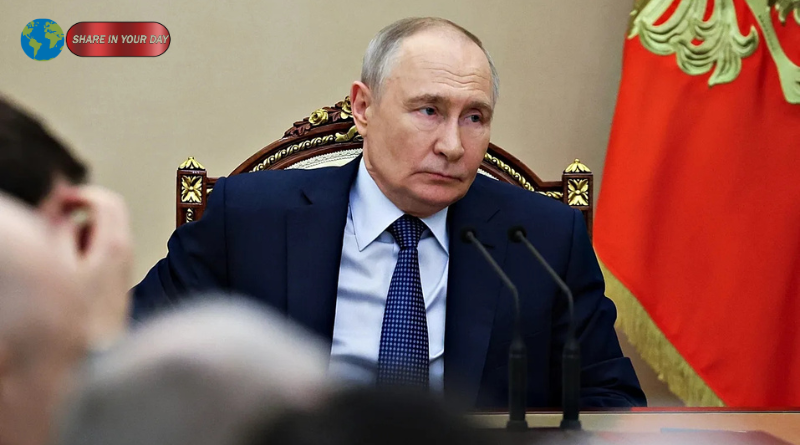
The new sanctions package, widely described as the EU’s 20th since the start of Russia’s full-scale invasion of Ukraine, introduces tighter restrictions across financial, energy, and trade sectors. However, the delay of the maritime services ban highlights ongoing concerns among member states and international partners.
What the New Russia Sanctions Include
The latest Russia Sanctions aim to further weaken Moscow’s ability to finance its war in Ukraine. European officials have focused on closing loopholes and targeting sectors that continue to generate significant revenue for the Russian economy.
Key measures include:
- Expanded restrictions on financial institutions linked to sanction evasion
- New limits on energy-related services and infrastructure
- Sanctions on entities supporting Russia’s military-industrial complex
- Crackdowns on third countries facilitating circumvention
- Increased monitoring of Russia’s so-called “shadow fleet”
These steps are designed to complement earlier sanctions, which already targeted oil exports, banking systems, and key individuals close to the Kremlin.
According to EU policy frameworks, sanctions are calibrated to “maximize pressure” while limiting unintended consequences for global markets and European economies.
Maritime Services Ban Put on Hold
Despite broad agreement on the sanctions package, the EU stopped short of implementing a full ban on maritime services for Russian oil shipments — a move that would have significantly escalated economic pressure.
The maritime services ban would prevent European companies from providing shipping, insurance, and technical services for transporting Russian oil globally. Such a measure could effectively replace the existing oil price cap system.
However, the proposal faced resistance from several member states, particularly those with strong maritime industries. Concerns also emerged about potential disruptions to global energy markets.
Reports indicate that countries like Greece and Malta raised objections, pushing the EU to delay the measure until further coordination with international partners, including the G7.
Why the Delay Matters
The postponement of the maritime services ban is not just a technical detail — it reveals deeper divisions within the EU and highlights the complexity of sanctioning a major energy exporter like Russia.
There are several reasons behind the delay:
1. Economic Risks
A full maritime ban could significantly disrupt global oil supply chains, potentially driving up prices and affecting economies worldwide.
2. International Coordination
The EU wants to align closely with G7 partners to ensure that sanctions remain effective and do not create loopholes.
3. Internal EU Divisions
Some member states rely heavily on maritime services and fear economic losses if the ban is implemented.
4. Strategic Timing
Officials may be waiting for a more favorable geopolitical moment to introduce stricter measures.
Growing Pressure on Russia’s Energy Revenues
Energy exports remain a critical source of revenue for Russia, making them a central target of EU sanctions. Since 2022, the bloc has introduced sweeping measures, including bans on seaborne oil imports and price caps.
These efforts have significantly reduced Russia’s oil and gas income, with estimates suggesting a sharp decline compared to pre-war levels.
The new Russia Sanctions aim to tighten these restrictions further by targeting alternative methods Russia uses to bypass sanctions, such as shadow fleets and third-country intermediaries.
The Role of the “Shadow Fleet”
One of the key focuses of the latest sanctions is Russia’s “shadow fleet” — a network of aging oil tankers used to transport crude oil outside official channels.
These vessels often operate under obscure ownership structures, change flags frequently, and disable tracking systems to avoid detection.
The EU has already taken steps to restrict these operations, including banning access to European ports and sanctioning entities involved in such activities.
The new package strengthens these measures, signaling a continued effort to close enforcement gaps.
Political Breakthrough After Months of Deadlock
The agreement on the latest Russia Sanctions comes after months of political stalemate within the EU.
Disagreements, particularly involving Hungary, had delayed both the sanctions package and a major financial aid plan for Ukraine. However, recent developments — including the resolution of energy disputes — helped unlock the negotiations.
According to multiple reports, the EU also approved a massive €90 billion financial support package for Ukraine alongside the sanctions.
This dual approach underscores the EU’s strategy of combining economic pressure on Russia with direct support for Ukraine.
Broader Geopolitical Context
The new sanctions come at a time of heightened geopolitical tension, with the war in Ukraine entering another prolonged phase.
Western allies continue to coordinate their responses, though differences in approach remain. For example, discussions around replacing the oil price cap with stricter measures — like the maritime services ban — are still ongoing.
At the same time, the EU is expanding its focus to include third countries that may be helping Russia circumvent sanctions. This reflects a growing recognition that enforcement is just as important as the sanctions themselves.
Impact on Global Markets
The latest Russia Sanctions are expected to have ripple effects beyond Europe.
Energy Markets
Any tightening of restrictions on Russian oil exports could influence global supply and pricing dynamics.
Shipping Industry
The potential future implementation of a maritime services ban could reshape global shipping routes and insurance markets.
Financial Systems
Expanded sanctions on banks and financial intermediaries may increase compliance requirements worldwide.
Despite these potential impacts, EU officials have emphasized the importance of maintaining pressure on Russia while avoiding major disruptions to global stability.
What Happens Next?
While the new sanctions mark a significant step forward, the situation remains fluid.
Key developments to watch include:
- Whether the maritime services ban will eventually be implemented
- How effectively the EU enforces the new measures
- The response from Russia and its trading partners
- Ongoing coordination with G7 and other allies
The EU has made it clear that sanctions will continue to evolve based on developments in the conflict and the effectiveness of existing measures.
Conclusion
The latest round of Russia Sanctions demonstrates the European Union’s continued commitment to pressuring Moscow while supporting Ukraine. However, the decision to delay the maritime services ban highlights the challenges of maintaining unity among member states and coordinating with global partners.
As the conflict continues, the effectiveness of these sanctions will depend not only on their scope but also on their enforcement and international alignment.
For now, the EU’s strategy remains clear: increase pressure, close loopholes, and adapt to an ever-changing geopolitical landscape.