Israel Lebanon Ceasefire Extended: What It Means Now
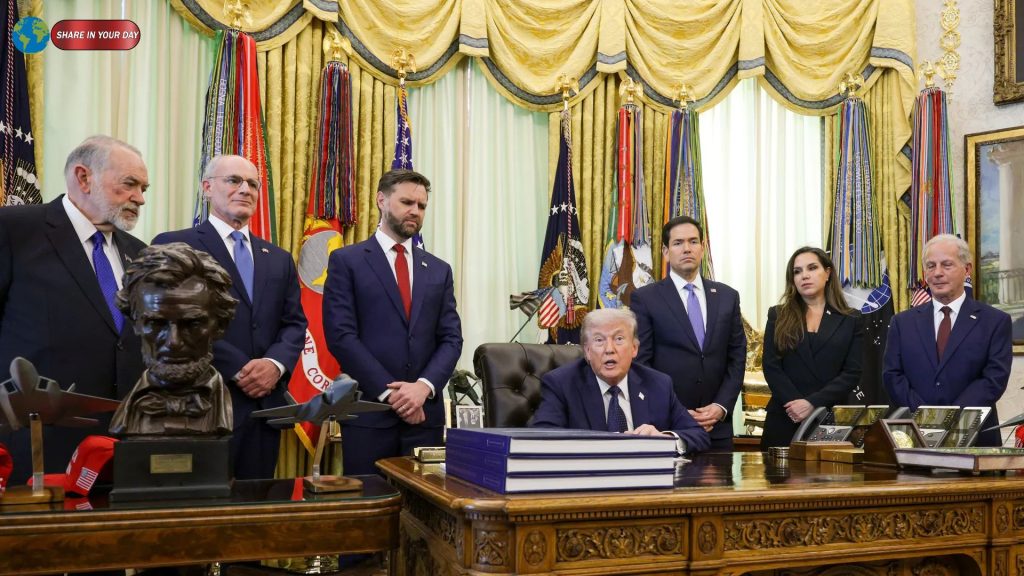
The Israel Lebanon ceasefire extended by three weeks marks a critical turning point in one of the most volatile conflicts in the Middle East today. Announced by U.S. President Donald Trump after high-level diplomatic meetings in Washington, the extension aims to prevent further escalation while opening the door for broader peace negotiations.
However, despite the announcement, the situation on the ground remains fragile. Continued violence, unresolved territorial disputes, and deeper geopolitical tensions—especially involving Iran—mean the ceasefire is far from a lasting solution.
This article breaks down what is happening, why it matters, and what could come next.
Why the Israel Lebanon Ceasefire Was Extended
The decision to extend the Israel Lebanon ceasefire did not happen in isolation. It followed intense diplomatic efforts led by the United States, involving Israeli and Lebanese officials meeting in Washington.
Initially, the ceasefire was set for just 10 days. Its primary goal was to pause hostilities and create space for negotiations.
Now, with the extension to three weeks, the stakes are higher.
Key reasons for the extension:
- Prevent immediate return to large-scale conflict
- Enable direct talks between Israel and Lebanon
- Support broader U.S. diplomatic strategy involving Iran
- Reduce pressure on regional stability
The U.S. believes this additional time could help transform a temporary truce into a more durable agreement.
A Fragile Truce Amid Ongoing Violence
Despite the extension, the ceasefire remains extremely fragile.
Reports indicate that violations have continued on both sides, including missile attacks by Hezbollah and retaliatory strikes by Israel.
This highlights a critical reality:
👉 The ceasefire exists politically—but not fully operationally on the ground.
What’s still happening:
- Rocket attacks from Hezbollah positions
- Israeli airstrikes in southern Lebanon
- Civilian casualties and infrastructure damage
- Continued military presence in disputed areas
The persistence of these incidents shows how difficult it is to enforce peace when trust between both sides is minimal.
The Role of Hezbollah in the Conflict
A central challenge to the Israel Lebanon ceasefire extended is Hezbollah, the Iran-backed militant group operating in Lebanon.
Hezbollah is not a formal signatory to the ceasefire agreement, which complicates enforcement.
Why this matters:
- Hezbollah continues military operations independently
- Israel views Hezbollah as a direct security threat
- Lebanon struggles to fully control armed groups within its borders
As a result, even if Israel and Lebanon agree politically, the situation on the ground may not fully stabilize.
The Iran Factor: A Bigger Geopolitical Game
The Israel Lebanon ceasefire extended is deeply tied to the broader U.S.–Iran conflict.
The United States is attempting to:
- Prevent a wider regional war
- Pressure Iran to return to negotiations
- Limit Iran’s influence through Hezbollah
At the same time, Iran’s support for Hezbollah remains a major sticking point.
Why Iran matters:
- Hezbollah acts as Iran’s proxy in Lebanon
- Escalation in Lebanon could trigger wider war
- Diplomatic progress with Iran depends partly on regional stability
In short, the ceasefire is not just about Israel and Lebanon—it is part of a much larger strategic puzzle.
Humanitarian Impact: A Growing Crisis
Beyond politics and military strategy, the human cost of the conflict is severe.
- Over 1 million people have been displaced in Lebanon
- Thousands have been killed or injured
- Entire villages have been destroyed or abandoned
Even during the ceasefire, destruction has continued in some areas, including reports of demolished homes and ongoing military operations.
Key humanitarian concerns:
- Displaced families unable to return home
- Limited access to basic services
- Long-term economic devastation
This humanitarian dimension adds urgency to the need for a lasting resolution.
Territorial Disputes Complicate Peace Efforts
Another major obstacle is the issue of territory.
Israel currently maintains a security zone inside southern Lebanon, controlling parts of the region.
Lebanon strongly opposes this presence, viewing it as occupation.
Core disputes include:
- Control of southern Lebanese territory
- Border demarcation issues
- Security arrangements to prevent future attacks
Until these issues are resolved, any ceasefire is likely to remain temporary.
Possibility of Historic Talks
One of the most significant developments is the possibility of direct talks between Israeli and Lebanese leaders.
Such talks would be historic, as the two countries have had limited direct engagement for decades.
According to reports, a meeting could take place within the three-week ceasefire window.
Why this matters:
- Could lead to long-term peace framework
- Opens door for diplomatic normalization
- Signals shift from military to political solutions
However, skepticism remains high, especially from Lebanese officials who doubt meaningful progress under current conditions.
Global Impact: Why the World Is Watching
The Israel Lebanon ceasefire extended is not just a regional issue—it has global implications.
Economic effects:
- Rising oil prices linked to regional instability
- Disruptions in global energy markets
- Increased transportation and trade costs
Political effects:
- Increased tension between major global powers
- Pressure on international alliances
- Risk of broader Middle East conflict
The outcome of this ceasefire could influence global markets and geopolitical stability.
What Happens Next?
The next three weeks will be critical.
Several scenarios are possible:
1. Successful negotiations
- Ceasefire becomes longer-term agreement
- Reduction in violence
- Progress toward political settlement
2. Continued instability
- Ongoing violations weaken trust
- Talks stall or fail
- Humanitarian crisis worsens
3. Escalation into wider war
- Collapse of ceasefire
- Increased involvement from Iran
- Broader regional conflict
At this stage, the outcome remains uncertain.
Key Takeaways
The Israel Lebanon ceasefire extended is a significant but fragile development.
3 critical facts:
- It is a temporary pause—not a permanent solution
- Ongoing violence threatens its success
- It is deeply tied to the wider U.S.–Iran conflict
While the extension provides hope for diplomacy, the risks remain high.
Final Analysis
The extension of the ceasefire offers a narrow window for peace—but also highlights how complex the situation has become.
Diplomatic efforts are intensifying. However, unresolved tensions, competing interests, and active conflict on the ground continue to undermine progress.
In reality, this ceasefire is less about ending war and more about buying time.
Whether that time leads to peace—or another escalation—will depend on what happens next.