Kevin Warsh Confirmation Vote Sparks Fierce Senate Debate
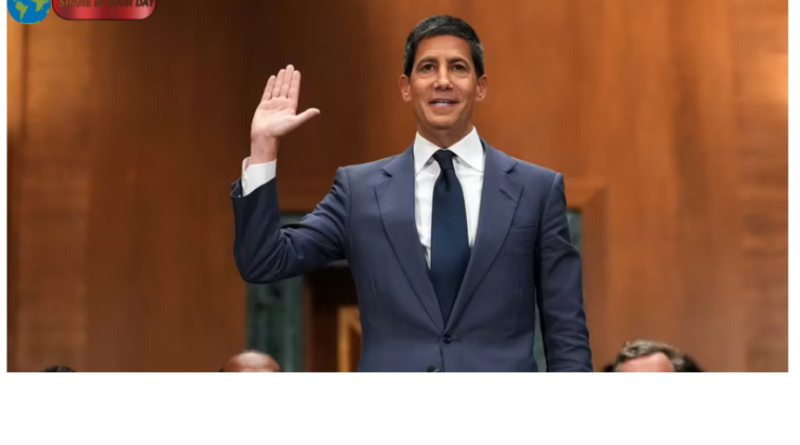
The Kevin Warsh confirmation vote is rapidly becoming one of the most contentious political and economic developments in the United States, as lawmakers prepare to decide whether the former Federal Reserve official will lead the nation’s central bank.
Scheduled for a crucial committee decision, the vote comes amid accusations of political interference, concerns over central bank independence, and a broader debate about the future direction of U.S. monetary policy.
Senate Moves Forward With High-Stakes Vote
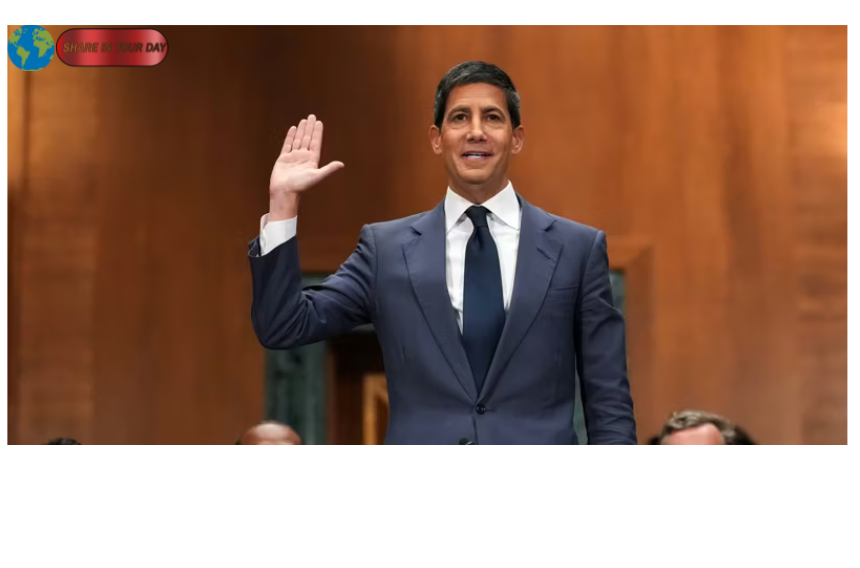
The Senate Banking Committee is set to vote on April 29 to advance Kevin Warsh’s nomination to become the next chair of the Federal Reserve.
This step could fast-track Warsh toward full Senate confirmation before current Federal Reserve Chair Jerome Powell’s term ends on May 15.
The timing is significant. Lawmakers are under pressure to ensure continuity at the central bank, which plays a crucial role in managing inflation, interest rates, and overall economic stability.
However, the process has been anything but smooth.
Controversy Surrounding the Powell Investigation
One of the most controversial aspects of the Kevin Warsh confirmation vote centers on the Justice Department’s decision to drop its investigation into Jerome Powell.
Critics argue that ending the probe cleared a political obstacle, making it easier for Warsh to advance.
Senator Elizabeth Warren has been particularly vocal, suggesting that the move raises serious concerns about political manipulation. She warned that either lawmakers are being misled or are attempting to mislead the public.
Meanwhile, supporters of the nomination argue that removing the investigation simply allows the confirmation process to proceed without unnecessary delays.
A Deeply Divided Senate
The Senate remains sharply divided over Warsh’s nomination.
Republicans largely support him, portraying Warsh as a reform-minded economist capable of addressing inflation and modernizing the Federal Reserve.
Democrats, however, have raised multiple concerns:
- Potential political influence from former President Donald Trump
- Questions about Warsh’s financial background and wealth
- Fears about weakening the independence of the Federal Reserve
The committee itself reflects this divide, with Republicans holding a narrow majority. Even a single defection could jeopardize the nomination.
Warsh’s Vision for the Federal Reserve
During his confirmation hearing, Warsh outlined a vision for significant reforms at the Federal Reserve.
His proposals include:
- Reducing the Fed’s balance sheet
- Revising inflation-targeting strategies
- Limiting reliance on unconventional monetary tools
These ideas reflect a broader push to return the Federal Reserve to what he describes as its “core mandate.”
Warsh has also emphasized the importance of adapting to technological changes, including the economic impact of artificial intelligence.
Independence Concerns Take Center Stage
A central issue in the Kevin Warsh confirmation vote is whether he can maintain the Federal Reserve’s independence.
Critics worry that his close ties to political figures could compromise the central bank’s ability to make unbiased decisions.
During his testimony, Warsh attempted to address these concerns, stating that he would act independently and base decisions on economic data rather than political pressure.
Still, skepticism remains.
Lawmakers have pointed to ongoing tensions between political leaders and the Federal Reserve as evidence that independence cannot be taken for granted.
Economic Stakes Are Enormous
The outcome of the vote carries significant implications for the U.S. economy.
The Federal Reserve influences:
- Interest rates
- Inflation control
- Employment levels
- Financial market stability
Any shift in leadership could lead to changes in monetary policy that affect millions of Americans.
Warsh’s critics argue that his approach could prioritize growth over stability, while supporters believe he could correct past policy mistakes and improve economic performance.
The Role of Wealth and Transparency
Another point of contention is Warsh’s financial background.
Reports indicate that he has substantial personal wealth, potentially making him one of the wealthiest individuals ever to lead the Federal Reserve.
Some lawmakers have raised concerns about transparency and potential conflicts of interest.
Warsh has pledged to divest from holdings that could pose conflicts within 90 days of confirmation.
However, critics argue that more detailed disclosures are necessary to ensure public trust.
Political Pressure and Timing
The timing of the Kevin Warsh confirmation vote adds another layer of complexity.
With Powell’s term nearing its end, there is urgency to confirm a successor. At the same time, the political climate remains highly charged.
The nomination is closely tied to broader political dynamics, including debates over economic policy and government oversight.
Some observers warn that the process could set a precedent for future nominations, particularly regarding the independence of key financial institutions.
Market Reactions and Global Impact
Financial markets are closely watching the confirmation process.
Uncertainty about Federal Reserve leadership can lead to:
- Market volatility
- Changes in investor confidence
- Shifts in global economic expectations
If confirmed, Warsh’s policies could influence not only the U.S. economy but also global financial systems.
Central banks around the world often take cues from the Federal Reserve, making this decision highly consequential beyond U.S. borders.
What Happens Next?
Following the committee vote, the nomination will move to the full Senate for final approval.
Key factors to watch include:
- Whether Republican unity holds
- The level of Democratic opposition
- Public and market reactions
If confirmed, Warsh would assume leadership at a critical moment for the U.S. economy.
If not, the process could face delays, creating uncertainty at a time when stable leadership is essential.
Final Analysis
The Kevin Warsh confirmation vote represents more than just a leadership change—it is a test of political influence, institutional independence, and economic direction.
Supporters see Warsh as a capable reformer ready to guide the Federal Reserve into a new era.
Critics, however, view the nomination as a potential threat to the central bank’s autonomy and credibility.
As the Senate prepares to vote, the outcome will likely shape not only the future of the Federal Reserve but also the broader economic landscape of the United States.
One thing is clear:
This is not just a routine confirmation—it is a defining moment for U.S. economic policy.