Oil Prices Iran War 2026 Defy Expectations
The oil prices Iran war 2026 story is not unfolding the way many analysts predicted. Despite escalating tensions and fears of a global energy crisis, crude oil markets have remained surprisingly stable compared to worst-case forecasts.
At the start of the conflict, experts warned of a dramatic surge in prices—potentially well above $100 per barrel. While oil prices did rise initially, recent developments show a more complex and unexpected reality.
Investors, policymakers, and consumers are now trying to understand why the global oil market has not spiraled into chaos despite one of the most serious geopolitical conflicts in recent years.
Why Oil Prices Didn’t Skyrocket
Early in the Iran war, markets reacted sharply. Brent crude and West Texas Intermediate (WTI) both surged as fears of supply disruption intensified.
However, the feared “doomsday scenario” has not materialized.
According to recent reports, several key factors explain this unexpected stability:
1. Lower Risk Premium
Markets initially priced in a high level of geopolitical risk. Over time, however, that risk premium declined as investors became more confident the conflict would not escalate uncontrollably.
2. Pre-War Stockpiles
Oil reserves built before the conflict have played a critical role. These stockpiles helped cushion supply shocks and prevented extreme price spikes.
3. Reduced Immediate Demand
Seasonal refinery maintenance and slightly weaker demand—especially in parts of Asia—have eased pressure on prices.
As a result, while prices remain elevated, they are far below the catastrophic levels many predicted.
Trump Ceasefire Impact on Oil Markets
One of the biggest turning points in the oil prices Iran war 2026 narrative came with the announcement of a temporary ceasefire.
When former U.S. President Donald Trump revealed a pause in hostilities, oil prices dropped sharply. Markets responded almost immediately, signaling how sensitive energy prices are to geopolitical developments.
The ceasefire reassured investors that political leaders are aware of the economic consequences of prolonged conflict.
In fact, oil futures saw one of their steepest declines since 2020 following ceasefire signals, highlighting the strong link between diplomacy and energy markets.
The Role of WTI and Brent Futures
To understand the oil prices Iran war 2026 situation, it’s important to look at the two main global benchmarks:
- WTI (West Texas Intermediate) – Primarily reflects U.S. oil prices
- Brent Crude – Represents international oil markets
These benchmarks reacted differently during the conflict but followed the same general pattern: sharp initial spikes followed by stabilization.
At various points:
- Brent crude approached or exceeded $100 per barrel
- WTI followed closely, sometimes trading above $90
However, prices later dropped below those levels as ceasefire hopes increased.
This volatility reflects how quickly sentiment can shift in global energy markets.
The Strait of Hormuz Factor
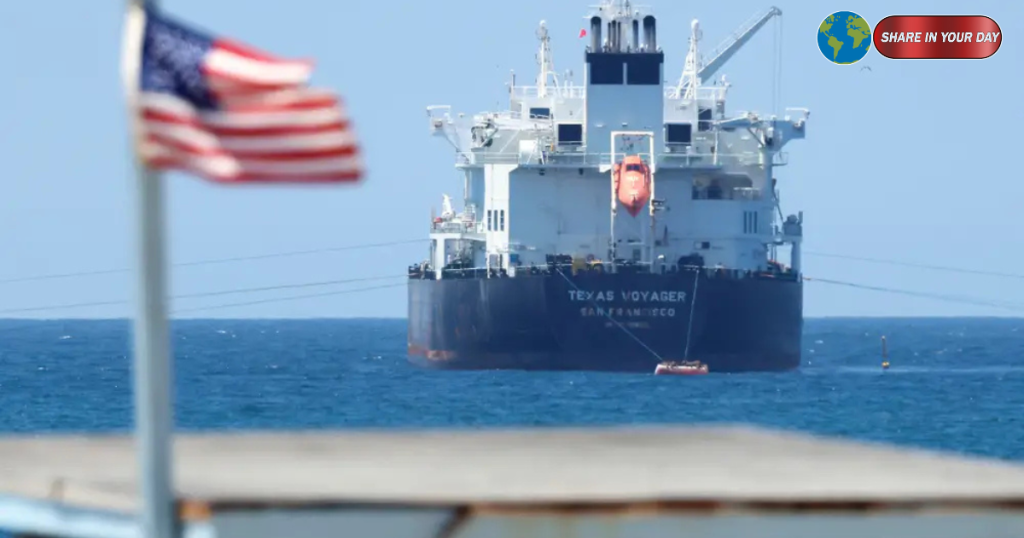
One of the biggest fears driving oil prices during the Iran war is the Strait of Hormuz.
This narrow waterway is one of the most critical النفط chokepoints in the world, responsible for transporting roughly 20% of global oil supply.
During the conflict:
- Shipping disruptions created immediate supply concerns
- Oil flows were reduced significantly
- Markets reacted with price spikes
At one point, analysts warned that disruptions could remove millions of barrels per day from global supply.
However, despite these risks, complete shutdown scenarios have not persisted long enough to trigger sustained extreme prices.
Oil Prices Still Elevated Despite Stability
While the market avoided a worst-case scenario, oil prices are still higher than pre-war levels.
Forecasts suggest:
- Brent crude could average around $82–$83 per barrel in 2026
- WTI could average around $76–$77 per barrel
These projections represent a sharp increase compared to earlier expectations before the war began.
In real-time trading, prices have frequently hovered between $90 and $100 per barrel depending on geopolitical developments.
This indicates that while markets are stable, they remain under pressure.
Market Volatility: A New Normal
The oil prices Iran war 2026 situation highlights a new reality: volatility is now the norm.
Prices have been swinging rapidly due to:
- Military developments
- Political statements
- Diplomatic negotiations
- Supply disruptions
For example:
- Oil surged when threats escalated
- Prices dropped when ceasefire talks emerged
- Futures fluctuated within hours based on news
This constant movement reflects a market driven more by headlines than fundamentals.
Global Economic Impact
The effects of the Iran war extend far beyond oil markets.
Higher energy prices have influenced:
Inflation
Rising fuel costs contribute to higher transportation and production expenses, pushing up prices across industries.
Consumer Spending
Higher gasoline prices reduce disposable income, impacting global consumption.
Energy Investment
Oil companies are increasing exploration and production spending to offset supply risks.
Energy Security
Countries are rethinking their dependence on Middle Eastern oil and investing in alternative sources.
The International Energy Agency has even described the situation as one of the greatest energy security challenges in history.
Why Markets Remain Optimistic
Despite ongoing conflict, there is cautious optimism in the market.
Key reasons include:
- Expectations of a longer-term resolution
- Continued oil production by major suppliers
- Strategic reserves acting as a buffer
- Diplomatic efforts gaining traction
Investors appear to believe that while the conflict is serious, it will not lead to a prolonged global energy crisis.
This optimism has prevented panic-driven price spikes.
Could Oil Prices Still Surge?
While the current situation is stable, risks remain.
Oil prices could still spike if:
- The Strait of Hormuz is fully closed
- Major oil infrastructure is destroyed
- The conflict escalates to involve more countries
- Diplomatic efforts fail
Some analysts warn that a worst-case scenario could still push prices well above $120 per barrel.
However, for now, markets are pricing in a more moderate outcome.
A Turning Point for Global Energy Markets
The oil prices Iran war 2026 story may ultimately be remembered as a turning point for global energy markets.
It has revealed:
- The resilience of modern oil supply systems
- The importance of strategic reserves
- The growing role of geopolitical signaling
- The limits of traditional forecasting models
Perhaps most importantly, it shows that markets are no longer reacting purely to supply and demand—but also to expectations, diplomacy, and global sentiment.
Conclusion
The oil prices Iran war 2026 narrative is far more nuanced than initially expected. While the conflict triggered volatility and price increases, the feared catastrophic surge has not occurred.
Instead, a combination of strategic reserves, reduced demand, and political developments—especially ceasefire efforts—has kept prices relatively contained.
However, the situation remains fragile. Oil markets continue to react rapidly to new developments, and the risk of escalation still looms.
For now, the global energy system is holding steady—but just barely.