Fake Tour Scam Arrests Revealed in Phnom Penh
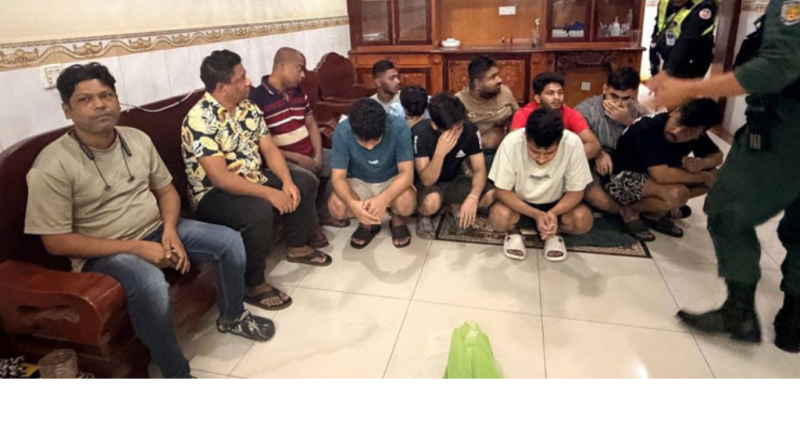
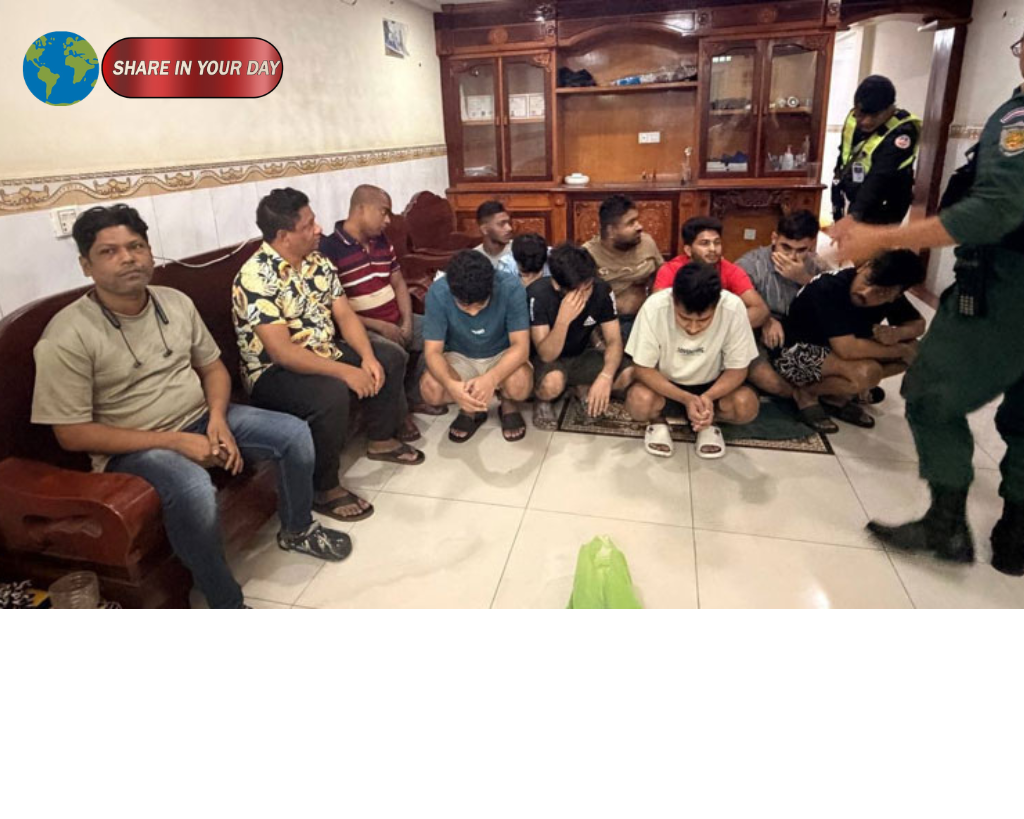
Phnom Penh authorities have intensified their crackdown on fraud networks, leading to a significant breakthrough in a case involving fake tour scam arrests targeting unsuspecting tourists. In a coordinated operation, police detained 12 foreign nationals accused of running a fraudulent travel scheme designed to exploit visitors and online customers.
The arrests mark another chapter in Cambodia’s expanding fight against transnational scam operations, which have increasingly drawn global attention. According to local reports, the suspects were allegedly involved in promoting fake tour packages, deceiving victims into paying for services that either did not exist or were drastically misrepresented.
How the Fake Tour Scam Operated
Authorities revealed that the group operated under the guise of a legitimate tourism business. They advertised attractive travel deals online, offering guided tours, hotel bookings, and transportation services at competitive prices.
However, once payments were made, victims often discovered that:
- The tours were never scheduled
- Bookings were fake or nonexistent
- Communication with operators ceased
This type of scam preys heavily on tourists unfamiliar with local systems, making it difficult for victims to verify authenticity before payment. In many cases, payments were made through digital platforms, further complicating recovery efforts.
Police investigations suggest that the suspects used sophisticated digital tools to create convincing websites and social media pages, mimicking legitimate travel agencies.
Police Operation and Arrest Details
The arrests were carried out during a targeted operation in Phnom Penh, following intelligence gathered on suspicious online activities. Law enforcement officials tracked the group’s operations over time before moving in to detain all 12 individuals.
Authorities confirmed that:
- All suspects are foreign nationals
- Evidence of fraudulent activity was seized
- Further investigations are ongoing
The operation is part of a broader national effort to dismantle scam networks operating within Cambodia.
Rising Trend of Scams in Cambodia
The fake tour scam arrests highlight a growing issue in Cambodia and across Southeast Asia: the rise of organized cybercrime and fraud networks.
Recent reports indicate that Cambodia has become a major hub for scam operations, with networks targeting victims worldwide. These scams range from:
- Fake investment schemes
- Romance scams
- Impersonation fraud
- Tourism-related scams
In fact, large-scale enforcement efforts have led to the closure of nearly 200 scam centers and the arrest of hundreds of individuals linked to such operations.
Additionally, authorities have conducted multiple raids in Phnom Penh alone, arresting dozens of suspects in recent weeks as part of ongoing crackdowns.
Why Tourists Are Prime Targets
Tourists are particularly vulnerable to scams due to several factors:
1. Limited Local Knowledge
Visitors may not be familiar with legitimate service providers, making it easier for scammers to pose as credible businesses.
2. Urgency and Convenience
Travelers often book services quickly, especially when planning last-minute trips.
3. Online Dependence
Many tourists rely on online searches and social media, where fake listings can appear highly convincing.
4. Cross-Border Challenges
Victims may face difficulties reporting crimes or recovering funds once they leave the country.
These vulnerabilities make tourism-related scams especially profitable for criminal networks.
Government Crackdown Intensifies
Cambodian authorities have stepped up efforts to combat fraud, particularly in response to international pressure and growing concerns about human trafficking and cybercrime.
Recent nationwide actions include:
- Shutting down scam compounds
- Arresting high-profile suspects
- Deporting thousands of foreign nationals
- Strengthening international cooperation
Reports indicate that thousands of individuals have been detained in large-scale operations targeting scam centers across the country.
Moreover, the crackdown is not limited to local enforcement. International agencies, including the United States, have launched coordinated efforts to dismantle scam networks operating in Southeast Asia.
The Human Cost Behind Scam Networks
While scams often focus on financial loss, there is also a significant human dimension to these operations.
Investigations have revealed that many workers in scam centers are:
- Victims of human trafficking
- Forced into illegal activities
- Subjected to harsh conditions
Some reports estimate that tens of thousands of individuals have been coerced into working in scam operations across the region.
This dual nature—where perpetrators can also be victims—adds complexity to enforcement efforts and highlights the need for comprehensive solutions.
Impact on Cambodia’s Tourism Industry
The exposure of scams such as the fake tour scam arrests poses challenges for Cambodia’s tourism sector, which is a vital part of the country’s economy.
Negative perceptions can:
- Reduce tourist confidence
- Affect international reputation
- Impact local businesses
However, authorities emphasize that ongoing crackdowns demonstrate a commitment to ensuring a safe environment for visitors.
By taking visible action against fraud, Cambodia aims to rebuild trust and protect its tourism industry from long-term damage.
How Travelers Can Protect Themselves
To avoid falling victim to scams, travelers are advised to take several precautions:
Verify Before Booking
Check official websites, reviews, and certifications before making payments.
Avoid Unsecured Payments
Use trusted payment platforms and avoid direct transfers to unknown accounts.
Research Companies
Look for established businesses with a verifiable presence.
Be Wary of Deals That Seem Too Good
Extremely low prices can be a red flag for fraudulent offers.
Keep Records
Save receipts and communication in case of disputes.
By staying vigilant, tourists can significantly reduce their risk of being targeted.
What Happens Next in the Case
Authorities have confirmed that investigations into the arrested suspects are ongoing. Officials are working to determine:
- The full scope of the operation
- Potential accomplices
- Financial transactions linked to the scam
Legal proceedings are expected to follow, with possible charges including fraud, deception, and violations of Cambodian law.
There is also a possibility of international cooperation if victims or financial trails extend beyond national borders.
A Broader Warning to Criminal Networks
The fake tour scam arrests send a clear message to organized crime groups operating in Cambodia: enforcement efforts are intensifying, and authorities are increasingly capable of identifying and dismantling sophisticated fraud schemes.
Recent crackdowns show a shift toward more proactive policing, with intelligence-led operations targeting networks before they can expand further.