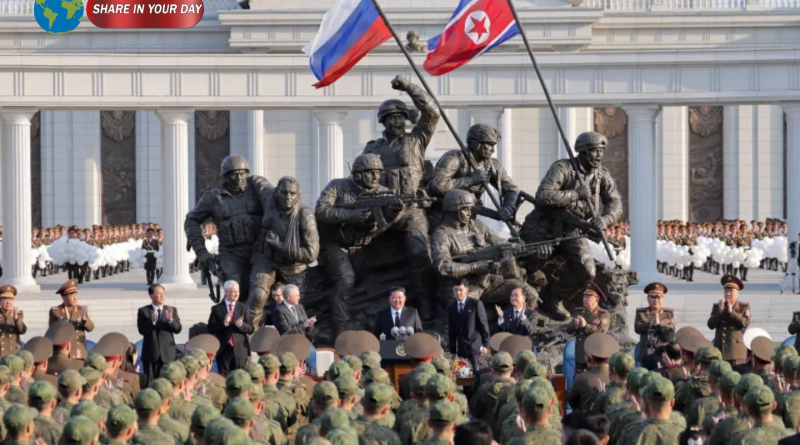
North Korea Museum Revealed: Inside a Powerful Tribute to Russia War Troops
The opening of a new North Korea museum honoring soldiers killed while fighting for Russia marks a striking and controversial moment in global geopolitics. The memorial, unveiled in Pyongyang, offers a rare glimpse into the deepening alliance between North Korea and Russia amid the ongoing war in Ukraine.
Far from being a simple tribute, the museum represents a powerful political message—one that signals growing military cooperation and shared strategic goals between the two nations.
A Museum Built on War and Alliance
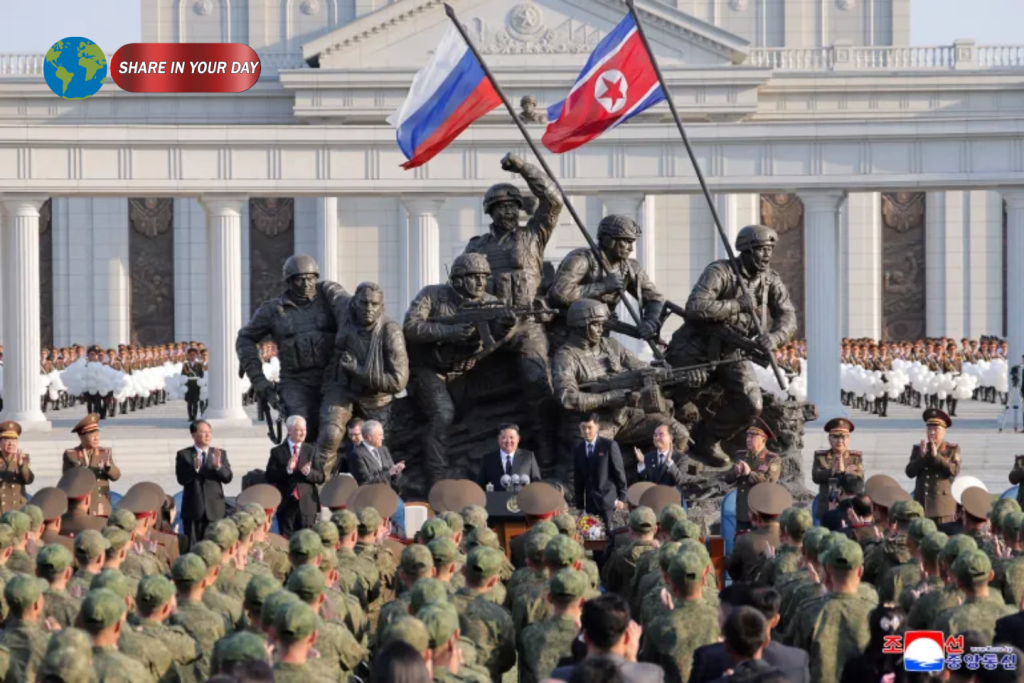
The newly opened North Korea museum, officially known as the Memorial Museum of Combat Feats at Overseas Military Operations, commemorates North Korean troops who died fighting alongside Russian forces. Memorial Museum of Combat Feats at the Overseas Military Operations
Located in Pyongyang, the museum was inaugurated during a high-profile ceremony attended by North Korean leader Kim Jong Un and senior Russian officials, including Defence Minister Andrei Belousov and parliamentary leader Vyacheslav Volodin.
The event was timed to coincide with the anniversary of Russia’s recapture of the Kursk region, a key battleground in the Ukraine conflict.
The Human Cost Behind the Memorial
The museum is not just symbolic—it reflects a significant human toll.
According to estimates from South Korean intelligence, approximately 15,000 North Korean troops were deployed to support Russia’s military operations. Of those, around 2,000 are believed to have been killed.
These figures have not been officially confirmed by either Moscow or Pyongyang, but they underscore the scale of North Korea’s involvement in the conflict.
Inside the museum, exhibits reportedly include memorial walls, battlefield artifacts, and displays honoring what North Korean state media describes as the “heroism” of its fallen soldiers.
Kim Jong Un’s Message: Loyalty and Defiance
During the opening ceremony, Kim Jong Un delivered a strong message of support for Russia. He praised the soldiers’ sacrifice and reaffirmed North Korea’s commitment to backing Moscow in what he described as a “just” struggle.
State media reports quoted him highlighting the troops’ bravery, sacrifice, and unwavering fighting spirit.
This rhetoric aligns with North Korea’s broader narrative of resisting Western influence and supporting allied nations against perceived external threats.
A Symbol of Deepening Military Ties
The North Korea museum is more than a memorial—it is a symbol of an evolving geopolitical partnership.
In recent years, relations between North Korea and Russia have strengthened significantly. This includes:
- Military cooperation agreements
- Arms transfers and logistical support
- High-level diplomatic exchanges
The presence of senior Russian officials at the museum’s opening highlights the importance both countries place on this relationship.
Analysts say the alliance is mutually beneficial. North Korea gains access to resources, technology, and economic support, while Russia receives manpower and military assistance.
Why the Kursk Region Matters
The museum’s opening coincides with events tied to the Kursk region, a strategic area that became a focal point in the war.
North Korean troops reportedly played a role in helping Russian forces regain control of the region following Ukrainian advances.
For both nations, the anniversary serves as a powerful symbol of joint military success and cooperation.
Global Reactions and Concerns
The development has raised concerns among Western governments and analysts.
Critics argue that North Korea’s involvement in the Ukraine war—and the celebration of it through a museum—represents a dangerous escalation. It could:
- Prolong the conflict
- Increase regional instability
- Lead to further military cooperation between authoritarian states
There are also fears that Russia may provide North Korea with advanced military technology in return for its support.
Inside the Museum: What It Represents
While details about the museum’s full contents remain limited, reports suggest it includes:
- Memorial plaques for fallen soldiers
- War artifacts and equipment
- Exhibits showcasing military operations abroad
The design and messaging are consistent with North Korea’s long tradition of using museums as tools of political storytelling and national pride.
The country has previously built institutions like the Victorious Fatherland Liberation War Museum to promote its official narratives of conflict and victory.
A Strategic Narrative in Stone
The North Korea museum serves a dual purpose.
On one hand, it honors soldiers and acknowledges their sacrifice. On the other, it reinforces a broader narrative of resistance, unity, and strength.
By linking the museum to the Ukraine war, North Korea is positioning itself as an active participant in global conflicts—not just a regional actor.
The Bigger Picture: A Shifting Global Order
The opening of the museum reflects a larger trend: the shifting dynamics of global alliances.
As tensions between Western nations and countries like Russia and North Korea intensify, new partnerships are emerging.
These alliances are not just political—they are increasingly military and strategic in nature.
The museum stands as a physical reminder of this transformation.
What Comes Next?
The long-term implications of the North Korea museum and the alliance it represents remain uncertain.
However, several possibilities are emerging:
- Expanded military cooperation between North Korea and Russia
- Increased international scrutiny and sanctions
- Greater involvement of North Korea in global conflicts
For now, the museum serves as both a tribute and a warning—a symbol of how far the alliance has progressed and how much further it could go.
Conclusion: More Than a Memorial
The opening of the North Korea museum marks a significant moment in modern geopolitics.
It is not just about honoring fallen soldiers. It is about signaling a powerful and evolving alliance, one that could reshape the global balance of power.
As the world continues to watch the Ukraine conflict unfold, this museum stands as a stark reminder of the human cost—and the political consequences—of war.