Galaxy S26 Ultra Sales Rise—but Fail to Secure Top 10 Spot
The Galaxy S26 Ultra sales performance in early 2026 tells a surprising story. Despite outperforming its predecessor in initial demand, Samsung’s flagship device failed to break into the global top 10 best-selling smartphones for the first quarter of 2026.
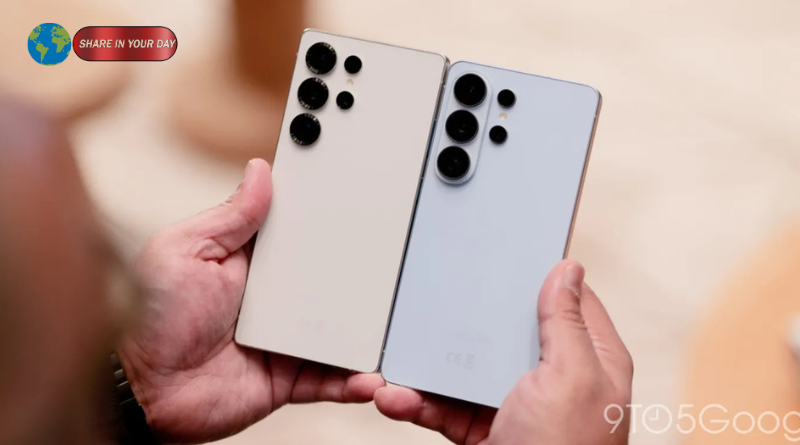
According to a report from Counterpoint Research cited by 9to5Google, the Galaxy S26 Ultra narrowly missed the top 10 ranking—even though it recorded stronger early sales than the Galaxy S25 Ultra.
This unexpected outcome highlights a growing shift in the global smartphone market, where premium flagship devices are increasingly under pressure from both high-performing iPhones and affordable Android alternatives.
Strong Start: Galaxy S26 Ultra Sales Beat Expectations
At first glance, the Galaxy S26 Ultra appears to be a success story.
Samsung’s flagship saw stronger initial sales compared to its predecessor, indicating solid demand among early adopters.
In fact, earlier data shows that the broader Galaxy S26 lineup achieved 29% higher sales in its first three weeks compared to the Galaxy S25 series.
A significant portion of that demand came from the Ultra variant, reinforcing its position as Samsung’s premium offering.
Key factors driving early sales:
- Introduction of new AI-powered features
- Enhanced privacy display technology
- Continued appeal of Samsung’s Ultra branding
- Strong pre-order momentum
These improvements made the Galaxy S26 Ultra one of the most talked-about Android flagships at launch.
So Why Did It Miss the Top 10?
Despite the strong start, Galaxy S26 Ultra sales were not enough to secure a spot in the top 10 global smartphone rankings for Q1 2026.
The main reason? Market concentration and fierce competition.
1. iPhone Dominance Continues
Apple’s base model, particularly the iPhone 17, dominated the rankings. The device alone accounted for 6% of global smartphone sales in Q1 2026.
Apple’s ability to capture mass-market demand—even with premium pricing—continues to overshadow Android competitors.
2. Budget Phones Are Winning the Volume Game
Another major factor is the rise of affordable smartphones.
The top 10 list was heavily populated by budget Android devices, which sell in far greater volumes globally.
While the Galaxy S26 Ultra is a premium flagship, most consumers worldwide still prioritize affordability.
3. Higher Competition Concentration
Counterpoint Research noted that the top 10 smartphones accounted for 25% of total global sales in Q1 2026, the highest concentration ever recorded.
This means:
- Fewer devices dominate more sales
- Competition for top 10 spots is tougher than ever
- Even strong performers can be pushed out
A Step Back Compared to Galaxy S25 Ultra
The situation becomes even more interesting when compared to the Galaxy S25 Ultra.
- Galaxy S25 Ultra reached #9 globally in 2025
- It even climbed to #7 during Q1 of its launch year
In contrast, the Galaxy S26 Ultra:
- Sold more units initially
- But failed to enter the top 10 entirely
This suggests that relative performance matters more than absolute sales growth.
In other words, selling more isn’t enough—you have to outperform competitors at the same time.
What’s New in the Galaxy S26 Ultra?
The Galaxy S26 Ultra remains one of Samsung’s most advanced smartphones to date.
Key specifications include:
- 6.9-inch AMOLED display
- 200MP main camera
- Dual telephoto lenses (3x and 5x zoom)
- Snapdragon 8 Elite Gen 5 processor
- Up to 1TB storage
- 5,000mAh battery
- Built-in S Pen support
One standout feature is the privacy display, which limits screen visibility from side angles—an industry-first innovation highlighted in early reports.
Additionally, Samsung has doubled down on AI features, integrating smarter tools for productivity, camera processing, and user experience.
The Bigger Picture: Changing Smartphone Trends
The Galaxy S26 Ultra’s ranking struggle reflects broader changes in the global smartphone market.
1. Premium Phones Face Volume Limitations
Flagship devices like the S26 Ultra generate high revenue but relatively lower unit sales compared to mid-range and budget phones.
Consumers in emerging markets—where growth is strongest—often prioritize:
- Price
- Battery life
- Durability
This puts premium models at a disadvantage in volume-based rankings.
2. Apple’s Ecosystem Advantage
Apple continues to benefit from:
- Strong brand loyalty
- Seamless ecosystem integration
- Consistent global demand
Even base iPhone models often outperform Android flagships in total sales.
3. Incremental Upgrades May Not Be Enough
Some analysts argue that the Galaxy S26 Ultra’s upgrades, while meaningful, may not be revolutionary enough to drive massive adoption.
Earlier commentary suggested concerns about:
- Limited battery improvements
- Familiar design
- Incremental camera changes
This could impact long-term demand beyond early adopters.
Can Samsung Bounce Back?
Despite missing the top 10, Samsung is far from struggling.
The company remains one of the world’s largest smartphone manufacturers, and the Galaxy S26 Ultra still represents a strong premium offering.
Potential strategies moving forward:
- More aggressive pricing or promotions
- Stronger differentiation in AI features
- Improved camera innovation
- Focus on emerging markets
Samsung’s upcoming devices, including future Galaxy S models, will likely address these challenges.
What This Means for Consumers
For buyers, the Galaxy S26 Ultra’s performance sends an interesting signal.
Just because a phone isn’t in the top 10 doesn’t mean it’s not excellent.
In fact, the S26 Ultra still offers:
- Cutting-edge hardware
- Advanced AI capabilities
- Premium design and build quality
However, it also highlights that:
- The best-selling phone isn’t always the best phone
- Market trends are shifting toward affordability and ecosystems
Final Verdict: Strong Sales, Tough Market Reality
The Galaxy S26 Ultra sales story is a mix of success and reality check.
On one hand:
- It outperformed its predecessor in early sales
- It remains one of the most advanced Android phones
On the other:
- It failed to secure a top 10 spot
- It faces intense competition from both Apple and budget brands
Ultimately, this reflects a broader industry trend:
even strong flagship performance isn’t enough in an increasingly competitive and concentrated market.
Samsung may have built a powerful device—but in 2026, power alone doesn’t guarantee dominance.