Breeze Airways Expansion Reshapes U.S. Travel Market
The Breeze Airways expansion is rapidly transforming the U.S. aviation landscape, stepping in to fill the sudden gap left by the collapse of Spirit Airlines. With the launch of 11 new routes, the low-cost carrier is not only expanding its footprint but also reviving connectivity at key airports—most notably Atlantic City.
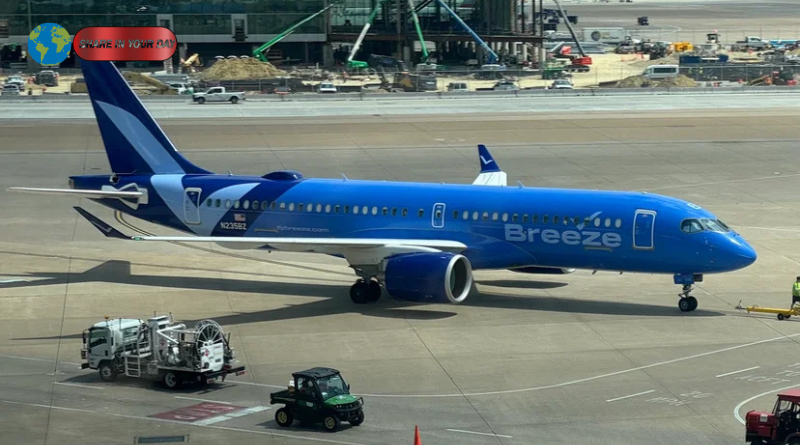
The move comes just days after Spirit Airlines abruptly ceased operations in early May 2026, ending decades of service as one of America’s leading ultra-low-cost carriers.
Now, Breeze Airways is positioning itself as a major replacement player, targeting underserved routes and leisure destinations while aiming to maintain affordable travel options.
A Strategic Move After Spirit Airlines Shutdown
The Breeze Airways expansion was announced shortly after Spirit Airlines shut down, leaving a significant void in several markets. Atlantic City International Airport was among the hardest hit, as Spirit previously operated nearly all flights from the airport.
This sudden absence created an urgent need for replacement service. Breeze Airways quickly responded, announcing multiple new routes designed to restore connectivity and support tourism.
Industry analysts say the timing is no coincidence. Airlines often move swiftly to capture market share when a competitor exits, and Breeze’s aggressive expansion reflects that strategy.
In fact, other airlines—including JetBlue—have also rushed to fill gaps left by Spirit in different regions, highlighting how valuable these routes remain.
Atlantic City Becomes a Key Focus
One of the most important aspects of the Breeze Airways expansion is its growing presence in Atlantic City.
The airport, which relied heavily on Spirit Airlines, suddenly faced a dramatic drop in service after the shutdown. Breeze is now stepping in to restore routes and introduce new destinations.
Among the newly announced services are flights to popular leisure destinations, including:
- Orlando, Florida
- Myrtle Beach, South Carolina
- Fort Myers, Florida
- West Palm Beach, Florida
These routes are strategically selected to attract vacation travelers, particularly those seeking affordable options to beach and resort destinations.
Daily service to Orlando is expected to begin as early as July, while other routes will roll out later in the year with varying frequencies.
Local officials have welcomed the expansion, noting that while flight frequency may initially be lower than during Spirit’s peak operations, the number of destinations could actually increase over time.
11 New Routes Signal Aggressive Growth
Beyond Atlantic City, the Breeze Airways expansion includes a broader network of 11 new routes spanning domestic and international destinations.
The airline is extending its reach into:
- Florida leisure markets
- Caribbean destinations
- Mexico vacation hubs
Notably, Breeze will introduce new international routes to destinations such as Cancun, Punta Cana, and St. Thomas—marking a significant milestone in the airline’s growth strategy.
This expansion reflects a shift in Breeze’s business model, moving from primarily domestic short-haul routes to a more diversified network that includes international leisure travel.
Filling the Gap Left by Ultra-Low-Cost Travel
The shutdown of Spirit Airlines has raised concerns about the future of ultra-low-cost travel in the United States.
For years, Spirit played a critical role in keeping airfares low by offering no-frills, budget-friendly options. Its sudden disappearance has left travelers worried about rising prices and fewer choices.
The Breeze Airways expansion appears to address this concern directly.
Founded in 2018 and launched in 2021, Breeze Airways has positioned itself as a low-cost airline focused on underserved routes and secondary airports.
Its model includes:
- Competitive base fares
- Flexible booking policies
- No change or cancellation fees
- Free family seating
By combining affordability with improved customer experience, Breeze aims to differentiate itself from traditional ultra-low-cost carriers.
A Shift Toward Leisure and Underserved Markets
One defining feature of the Breeze Airways expansion is its focus on leisure travel.
Rather than competing directly on major hub-to-hub routes, Breeze targets smaller cities and underserved markets—areas often overlooked by larger airlines.
This strategy allows the airline to:
- Avoid intense competition
- Maintain lower operating costs
- Offer nonstop flights where none previously existed
Atlantic City is a perfect example of this approach. While it is not a major hub, it serves a strong regional market with demand for vacation travel.
By expanding service there, Breeze is tapping into a niche that aligns with its long-term growth strategy.
Economic Impact on Regional Airports
The Breeze Airways expansion is expected to have a significant economic impact, particularly for regional airports like Atlantic City.
Air service plays a critical role in local economies by:
- Supporting tourism
- Creating jobs
- Attracting business investment
With Spirit’s exit, there were fears that Atlantic City could lose its competitive edge as a travel destination.
However, the arrival of Breeze—and additional service from other carriers—suggests that the airport may not only recover but potentially grow.
Officials have indicated that new routes could even increase the number of destinations available compared to previous years, though flight frequency may take time to stabilize.
Challenges Ahead for Breeze Airways
While the Breeze Airways expansion presents significant opportunities, it also comes with challenges.
Replacing a major airline like Spirit is no small task. Breeze will need to:
- Scale operations quickly
- Maintain reliability
- Keep fares competitive
Additionally, the airline must ensure that demand exists for its new routes. Some of Spirit’s previous routes struggled with low passenger loads, highlighting the importance of careful planning.
There is also the broader challenge of rising operational costs, including fuel prices—one of the key factors that contributed to Spirit’s downfall.
What This Means for Travelers
For passengers, the Breeze Airways expansion offers both reassurance and opportunity.
In the short term, travelers may experience:
- Fewer daily flights on certain routes
- Adjustments in schedules and availability
However, the long-term outlook appears positive.
Breeze’s expansion could lead to:
- More destination choices
- Competitive pricing
- Improved travel experiences
For travelers in regions like Atlantic City, the return of flight options is particularly significant, reducing the need to travel to larger airports like Philadelphia.
The Future of Low-Cost Air Travel
The Breeze Airways expansion may signal a broader shift in the airline industry.
With Spirit Airlines gone, the ultra-low-cost model faces uncertainty. However, Breeze’s approach suggests a hybrid model—combining affordability with customer-friendly features—could be the future.
As competition intensifies and airlines adapt to changing market conditions, travelers may benefit from more balanced offerings that prioritize both price and experience.
Conclusion
The Breeze Airways expansion marks a pivotal moment in U.S. aviation.
By launching 11 new routes and stepping into markets abandoned by Spirit Airlines, Breeze is not only filling a gap but redefining what low-cost travel can look like.
Its focus on underserved routes, leisure destinations, and customer experience positions the airline as a strong contender in a rapidly evolving industry.
While challenges remain, the expansion offers a promising outlook for both travelers and regional airports—especially those like Atlantic City that were left vulnerable by Spirit’s sudden exit.
As the airline continues to grow, all eyes will be on whether Breeze can sustain its momentum and truly become the next major force in affordable air travel.