Full Article (1200+ words)
Artemis II Photos Revealed: A Historic Visual Treasure
The release of Artemis II photos has captivated the world, offering an unprecedented glimpse into humanity’s return to deep space. NASA has officially published more than 12,000 images from its groundbreaking Artemis II mission, marking one of the most visually stunning archives ever shared from a crewed spaceflight.
These images are not just photographs—they are a historic record of humanity’s journey beyond low Earth orbit for the first time in over 50 years. From breathtaking views of Earth to dramatic lunar landscapes and rare cosmic events, the Artemis II photo collection provides a deeply human perspective on space exploration.
A Mission That Redefined Space Exploration
The Artemis II mission stands as a milestone in modern space history. Launched in April 2026, the mission carried four astronauts aboard NASA’s Orion spacecraft on a 10-day journey around the Moon and back to Earth.
This mission was significant for several reasons. It marked the first crewed lunar flyby since the Apollo era and set a new record for the farthest distance humans have traveled from Earth—over 252,000 miles.
More importantly, Artemis II served as a critical test for future missions, including planned lunar landings under NASA’s Artemis program. The images captured during this journey are not only visually stunning but also scientifically valuable.
Inside the 12,000 Artemis II Photos
The newly released Artemis II photos reveal a wide range of perspectives—from technical spacecraft operations to awe-inspiring cosmic views.
Earth Like You’ve Never Seen Before
One of the most striking aspects of the Artemis II photo collection is the portrayal of Earth. Seen from vast distances, our planet appears as a fragile, glowing sphere suspended in darkness.
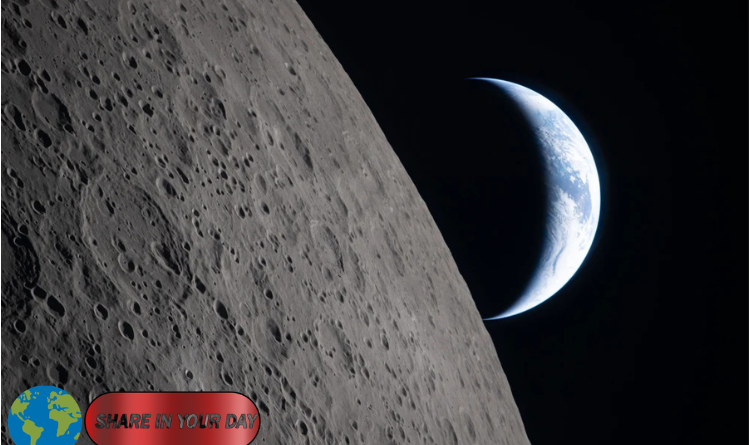
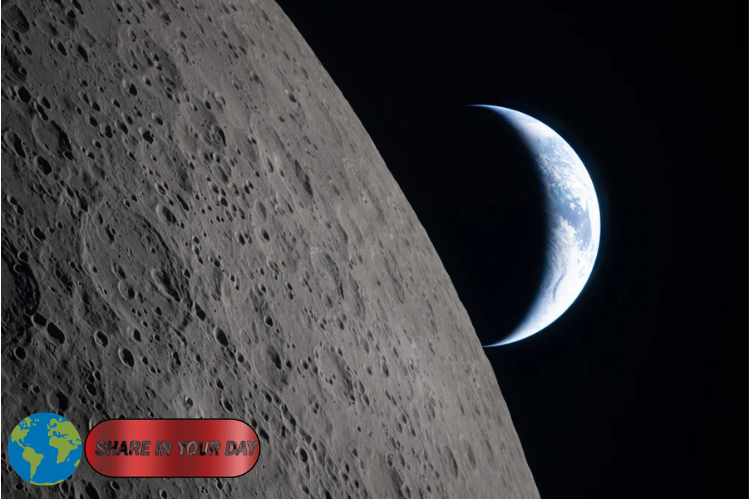
Some images show a crescent Earth glowing faintly, while others capture the planet partially hidden behind the Moon—a phenomenon known as “Earthset.”
These visuals evoke a powerful emotional response, reminding viewers of Earth’s isolation and beauty in the vastness of space.
The Moon’s Hidden Details
The Artemis II photos also provide detailed views of the Moon’s far side—regions that remain invisible from Earth.
Astronauts captured high-resolution images of craters, ridges, and subtle color variations on the lunar surface. Some even noted unexpected hues such as browns and greens, adding depth to our understanding of the Moon’s geology.
These images are not only visually compelling but also contribute to ongoing scientific research and future mission planning.
Rare Cosmic Phenomena Captured
Among the most extraordinary Artemis II photos are those capturing rare celestial events.
During the mission, astronauts witnessed and photographed a solar eclipse from beyond the Moon’s far side. This unique vantage point allowed them to observe the Sun’s corona shining brilliantly around the Moon’s silhouette.
Additionally, long-exposure images revealed star fields and cosmic light patterns rarely visible from Earth due to atmospheric interference.
Why These Photos Matter
The significance of the Artemis II photos goes far beyond aesthetics. These images serve multiple purposes:
Scientific Value
The photos provide critical data for scientists studying the Moon, Earth, and deep space environments. High-resolution imagery helps refine models of lunar terrain and supports planning for future landings.
Public Engagement
NASA’s decision to release the full archive allows the public to experience space exploration firsthand. The images create a sense of connection between everyday people and astronauts traveling through space.
Historical Importance
These photos mark humanity’s return to deep space after decades. They serve as a visual bridge between the Apollo era and the new Artemis generation.
The Human Side of Artemis II
Beyond landscapes and celestial events, the Artemis II photos also capture the human experience of space travel.
Images taken inside the Orion spacecraft show astronauts working, observing, and reflecting during their journey. These candid moments provide insight into life aboard a spacecraft traveling far beyond Earth.
From floating objects in zero gravity to quiet moments gazing out of windows, the photos highlight both the technical and emotional aspects of the mission.
How NASA Captured These Stunning Images
Interestingly, many of the Artemis II photos were not transmitted in real time. Due to bandwidth limitations, astronauts stored thousands of images on onboard memory devices.
After the spacecraft safely returned to Earth, NASA retrieved the data and processed the images for public release.
The cameras used included professional-grade equipment capable of handling extreme lighting conditions and radiation in space. These tools allowed astronauts to capture everything from dim star fields to bright lunar surfaces with remarkable clarity.
A New Era of Space Photography
The Artemis II photo release signals a new era in space photography. Unlike earlier missions, where only a limited number of images were shared, NASA is now embracing transparency and accessibility.
With over 12,000 images available, anyone can explore the mission in detail—zooming in on lunar craters, examining spacecraft interiors, or simply admiring the beauty of Earth from afar.
This shift reflects NASA’s broader goal of engaging global audiences and inspiring the next generation of scientists, engineers, and explorers.
What Comes Next After Artemis II?
The Artemis II mission is only the beginning. NASA is already preparing for Artemis III, which aims to land astronauts on the Moon and establish a long-term human presence.
The data and imagery collected from Artemis II will play a crucial role in shaping these future missions. From identifying landing sites to testing equipment, every photo contributes to the next phase of exploration.
A Visual Legacy for Humanity
The Artemis II photos are more than just images—they are a legacy.
They capture a moment in time when humanity once again reached beyond Earth, pushing the boundaries of exploration and knowledge. Each photo tells a story of curiosity, courage, and innovation.
As people around the world browse through this massive archive, one thing becomes clear: space exploration is no longer distant or abstract. It is real, tangible, and accessible.
Conclusion: A Stunning Glimpse Into the Future
The release of over 12,000 Artemis II photos marks a defining moment in space history. These images not only document a historic mission but also inspire a renewed sense of wonder about our place in the universe.
From Earth’s delicate glow to the rugged beauty of the Moon and the vast darkness beyond, the Artemis II photo collection offers a perspective few have ever seen—and now, everyone can experience.
As NASA continues its journey toward returning humans to the Moon, these images serve as both a milestone and a promise: humanity’s next giant leap is already underway.