Full Article
Mesa Measles Outbreak Expands Across East Valley
Health officials in Arizona are sounding the alarm after a growing Mesa measles outbreak pushed Maricopa County’s 2026 case total to its highest level in decades. The latest surge in infections has intensified concerns about community spread in the East Valley and renewed warnings about declining vaccination rates.
According to the Maricopa County Department of Public Health, three newly confirmed measles cases connected to the East Valley outbreak brought the county’s total to 13 confirmed infections this year. Officials said the newest cases likely involved local transmission because investigators could not identify any travel-related source of exposure.
The outbreak has become one of Arizona’s most significant measles clusters in recent years. Public health records show Maricopa County reported no measles cases in 2025 and only two in 2024. The current total of 13 cases is now the highest the county has recorded in at least 20 years.
Health experts warn the outbreak could continue spreading if vaccination gaps persist in parts of the East Valley. Officials noted that the overwhelming majority of confirmed cases involved individuals who were not vaccinated against measles.
Public Exposure Sites Identified in Mesa
As the Mesa measles outbreak expanded, county officials released an extensive list of public exposure locations visited by infected individuals. The exposure sites span churches, restaurants, grocery stores, retail locations, and recreational facilities throughout Mesa and nearby communities.
Among the locations identified were:
- A church gathering in Mesa
- AZ Athletic Grounds sports facility
- Menchie’s Frozen Yogurt
- Fry’s Food Store
- Target
- Chick-fil-A
- Chili’s Grill & Bar
- In-N-Out Burger
- Boba CuCue Bubble Tea House
- V’s Barbershop
Officials warned that measles can remain airborne for up to two hours after an infected person leaves an area, significantly increasing the risk of exposure in busy indoor environments.
Residents who visited the listed locations during the identified time windows were urged to monitor for symptoms and review their vaccination status immediately.
Why Measles Spreads So Easily
Medical experts continue to describe measles as one of the most contagious viruses in the world. According to health officials, roughly 90% of unvaccinated individuals exposed to measles can become infected.
The virus spreads primarily through respiratory droplets released when infected people cough, sneeze, or even breathe in enclosed spaces. Unlike some illnesses that require close physical contact, measles can linger in the air long after exposure occurs.
Symptoms typically appear between seven and 21 days after exposure. Early warning signs often include:
- High fever
- Cough
- Runny nose
- Red or watery eyes
- Fatigue
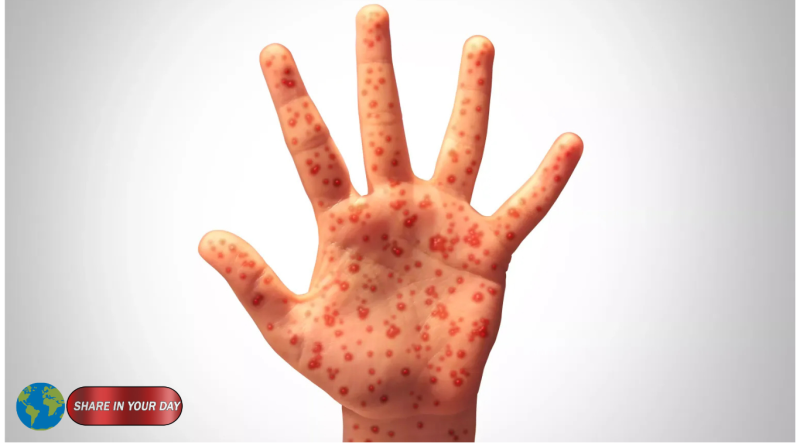
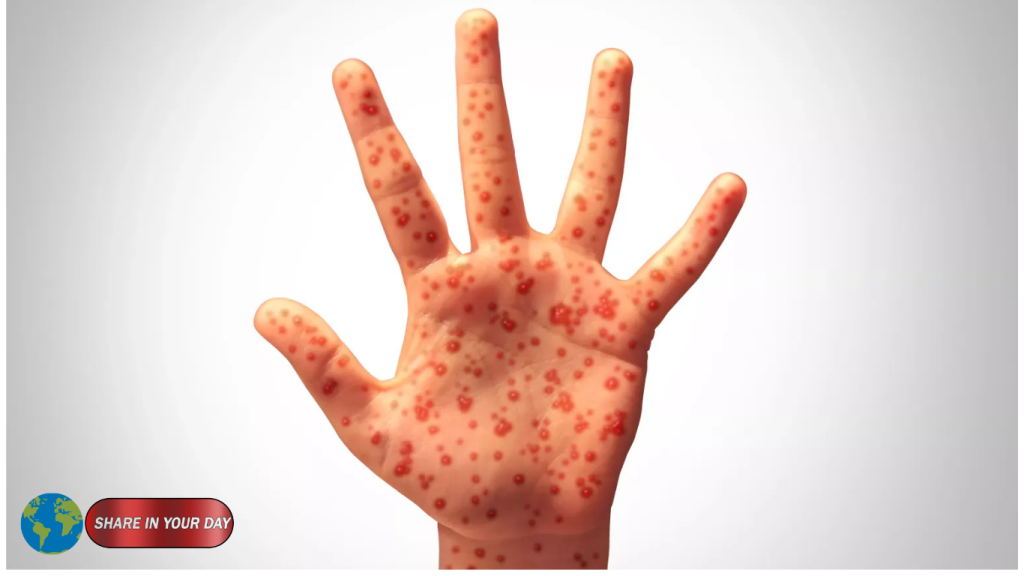
A distinctive red, blotchy rash usually develops later, beginning near the face and spreading downward across the body.
Health officials emphasized that measles can become especially dangerous for infants, pregnant women, and individuals with weakened immune systems. Serious complications can include pneumonia, brain swelling, hospitalization, and in rare cases, death.
Vaccination Rates Under Scrutiny
The Mesa measles outbreak has also reignited debate surrounding vaccination rates in Arizona communities. Public health experts say lower immunization levels create conditions where measles can spread rapidly once introduced into a population.
Maricopa County officials stated that approximately 96% to 97% of current measles cases in Arizona involved unvaccinated individuals.
The measles, mumps, and rubella vaccine — commonly known as the MMR vaccine — remains highly effective at preventing infection. Health officials say two doses provide approximately 97% protection against measles.
Doctors also stressed that vaccinated individuals who do contract measles typically experience milder symptoms and face lower risks of severe complications.
Public health agencies have encouraged parents to verify immunization records for children before summer travel and group activities begin. Officials are particularly focused on communities where vaccine uptake has fallen below recommended herd immunity thresholds.
Arizona Sees Rising Statewide Cases
Although the Mesa measles outbreak has drawn major attention, it represents only part of a broader rise in cases across Arizona during 2026. State health data shows Arizona has reported more than 300 measles cases statewide since the start of the year.
Many of those infections have reportedly been concentrated in northern Arizona communities with historically low vaccination rates. Public health officials continue monitoring additional clusters while attempting to prevent wider transmission into larger metropolitan areas such as Phoenix.
The rapid increase in statewide cases has raised fears that Arizona could face prolonged outbreaks during the summer travel season, when families gather for camps, sports tournaments, and vacations.
Health authorities are now expanding public awareness campaigns to encourage vaccinations and educate residents about measles symptoms.
Community Spread Raises New Concerns
One of the most troubling developments for health officials is evidence suggesting the Mesa measles outbreak now involves ongoing community transmission rather than isolated imported cases.
Typically, measles outbreaks in the United States begin when an infected traveler introduces the virus into a local area. However, the newest East Valley cases reportedly lacked travel histories or clear exposure sources, indicating the virus is spreading locally within the community.
Dr. Nick Staab of Maricopa County Public Health described the situation as a reminder that local transmission is now occurring inside the county.
Community spread creates additional challenges for health investigators because tracing every exposure becomes increasingly difficult once infections circulate widely. Public health teams must then rely heavily on vaccination campaigns, public notifications, and symptom monitoring to slow transmission.
Businesses and Public Spaces Affected
The outbreak has already affected numerous public-facing businesses and gathering spaces across Mesa and surrounding communities. Exposure warnings involving restaurants, gyms, grocery stores, and retail chains have generated concern among residents and local business owners.
Some East Valley parents also expressed concern online about youth sports events and church gatherings after several exposure locations were connected to children’s activities and community events.
Although officials have not announced closures or restrictions, businesses identified as exposure sites may experience reduced customer traffic as residents become more cautious. Health experts stressed that vaccination remains the most effective way to avoid panic and prevent additional disruptions.
Public health officials also urged anyone experiencing symptoms to avoid visiting crowded public places and to contact healthcare providers before arriving at medical facilities.
Social Media Reactions Intensify
The Mesa measles outbreak quickly became a major topic across Arizona social media platforms. Local residents shared exposure site lists widely while debating vaccination policies, school health requirements, and public safety concerns.
Many parents expressed anxiety about exposure risks at schools, sports complexes, and family-oriented venues. Others criticized misinformation surrounding vaccines, arguing that declining immunization rates were contributing directly to the outbreak’s spread.
Health experts have repeatedly warned that online misinformation about vaccines continues to undermine public confidence despite decades of scientific evidence supporting vaccine safety and effectiveness.
Meanwhile, some Arizona residents called for stronger vaccination requirements in schools and community organizations as the outbreak continues expanding.
Health Officials Urge Immediate Precautions
Maricopa County health authorities are encouraging residents to take immediate preventive steps as the Mesa measles outbreak continues developing. Officials recommend that residents:
- Verify vaccination records
- Monitor for symptoms after possible exposure
- Contact healthcare providers if symptoms appear
- Avoid exposing others by staying home when sick
- Ensure children receive recommended MMR vaccinations
Health officials also reminded residents that infants between six and 11 months old may qualify for early MMR vaccination during active outbreaks.
Medical providers throughout Maricopa County have been instructed to remain alert for patients showing fever and rash symptoms, especially those with possible exposure histories.
Outbreak Could Continue Through Summer
Experts warn the Mesa measles outbreak may continue growing in the coming weeks unless vaccination coverage improves and community spread slows. Large public gatherings, travel, and summer activities could all contribute to additional exposure opportunities.
For now, Arizona health officials remain focused on identifying exposure sites quickly and limiting wider transmission throughout the Phoenix metro area. However, the outbreak has already become one of the state’s most significant public health concerns of 2026.
As investigations continue, residents across Mesa and the East Valley are being urged to remain vigilant, review immunization records, and follow public health guidance closely to help contain the outbreak before it spreads further.