Taylor Swift Attorneys Blast ‘Showgirl’ Lawsuit
Taylor Swift is aggressively fighting back against a trademark infringement lawsuit tied to her hit album The Life of a Showgirl, with her legal team calling the claims “absurd” in a fiery new court filing.
The dispute centers on allegations from Las Vegas performer Maren Flagg — professionally known as Maren Wade — who claims Swift’s use of the phrase “The Life of a Showgirl” infringes on her long-running trademarked brand, Confessions of a Showgirl.
Swift’s attorneys responded this week by accusing Flagg of attempting to profit from the global superstar’s fame rather than protecting legitimate trademark rights. According to filings obtained by media outlets including Variety and Entertainment Weekly, Swift’s lawyers argued the lawsuit “should never have been filed.”
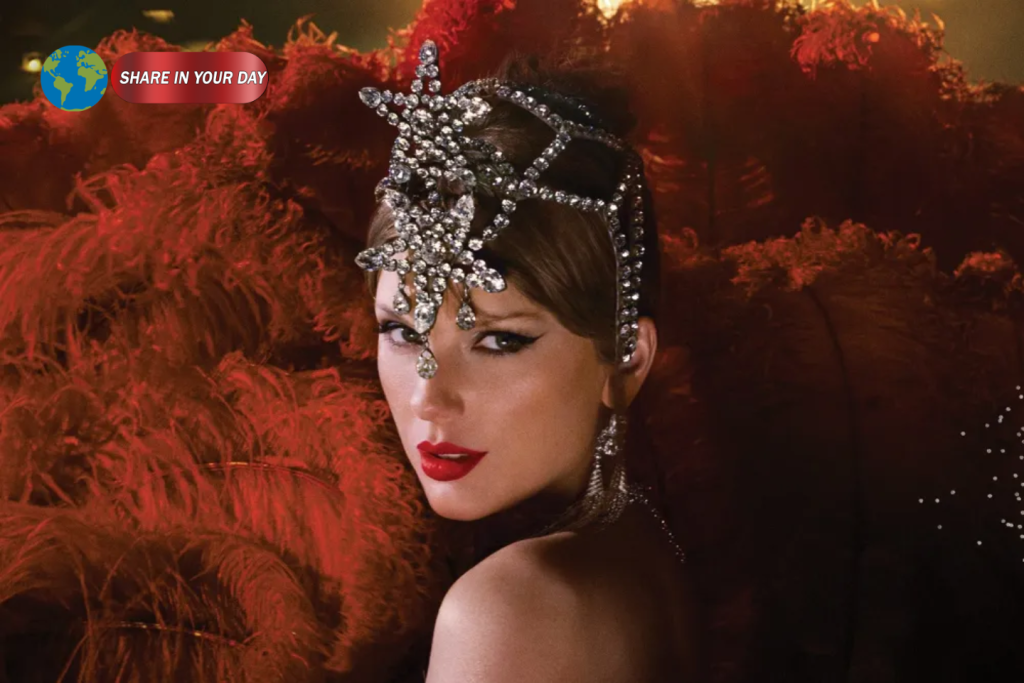
The legal clash has quickly become one of the entertainment industry’s most talked-about intellectual property disputes of 2026.
What Sparked the Taylor Swift Showgirl Lawsuit?
The Taylor Swift showgirl lawsuit began after Flagg filed a trademark infringement complaint in federal court earlier this year.
Flagg claims Swift’s 2025 album title, The Life of a Showgirl, is confusingly similar to her own entertainment brand, Confessions of a Showgirl, which she says she has developed since 2014 through live performances, writing projects, books, and digital content.
According to the lawsuit, Flagg secured a federal trademark registration in 2015 for “Confessions of a Showgirl.” She alleges that Swift’s branding creates marketplace confusion among consumers and damages the identity of her established entertainment business.
The lawsuit also points to the U.S. Patent and Trademark Office’s earlier refusal to approve Swift’s trademark application for “The Life of a Showgirl,” citing potential similarity concerns with Flagg’s existing mark.
Flagg is seeking financial damages along with a court order that would prevent Swift and her business partners from using the “Showgirl” branding on merchandise and promotional materials.
Swift’s Legal Team Fires Back
Swift’s attorneys are now pushing back hard against those accusations.
In court filings submitted this week, the singer’s lawyers argued that Flagg’s claims lack legal merit and were designed primarily to exploit Swift’s global profile for publicity.
The filing reportedly described the lawsuit as “absurd” and dismissed the idea that consumers would confuse Swift’s massively successful international album franchise with Flagg’s smaller-scale cabaret and performance projects.
Swift’s lawyers also argued that Flagg herself only began publicly associating with “The Life of a Showgirl” phrase after Swift’s album announcement gained worldwide attention.
According to Entertainment Weekly, Swift’s legal team stated that Flagg was attempting to “prop up her brand” using Swift’s name recognition and media attention.
The filing further emphasized that trademark law protects against genuine marketplace confusion, not every instance of similar wording or creative themes.
Trademark Law Could Become Central to the Case
Legal experts say the Taylor Swift showgirl lawsuit may ultimately hinge on whether consumers are genuinely likely to confuse the two brands.
Trademark infringement cases in the United States often depend on several legal factors, including brand similarity, overlapping markets, audience confusion, and commercial intent.
Flagg’s attorneys argue that both projects use nearly identical “showgirl” branding aimed at entertainment audiences, creating what legal experts call “reverse confusion.” That occurs when a larger brand allegedly overwhelms a smaller preexisting trademark owner in public perception.
Swift’s side, however, insists the projects are entirely distinct in scale, presentation, and commercial identity.
The singer’s legal team also appears prepared to argue that the phrase “showgirl” itself is relatively broad and widely used within entertainment culture, making exclusive ownership difficult to enforce.
Intellectual property attorneys following the case say the court could closely examine how strongly consumers associate “Confessions of a Showgirl” specifically with Flagg’s business before determining whether infringement actually occurred.
The USPTO Rejection Added Fuel to the Dispute
One of the most significant details in the case involves the U.S. Patent and Trademark Office.
According to court filings, Swift’s attempt to register “The Life of a Showgirl” trademark was previously denied because officials believed the name could potentially create confusion with Flagg’s registered trademark.
That rejection became a central argument in Flagg’s lawsuit.
Her attorneys claim Swift’s team was fully aware of the potential trademark conflict yet continued using the branding anyway.
However, trademark experts note that a USPTO refusal does not automatically prove infringement in federal court. Courts independently evaluate trademark disputes and can reach different conclusions based on broader evidence and marketplace realities.
Swift’s legal team may argue that the trademark office’s concerns were procedural rather than definitive proof of consumer confusion.
Album Success Increased the Stakes
The enormous commercial success of The Life of a Showgirl has significantly increased the importance of the legal battle.
The album reportedly became one of 2025’s biggest music releases, breaking streaming records and generating massive merchandise sales worldwide.
Because of that commercial scale, any ruling against Swift could carry substantial financial implications involving branding rights, merchandise licensing, and future promotional campaigns.
Industry analysts say the case highlights how valuable intellectual property has become within the modern music business, where artists increasingly monetize album identities far beyond music sales alone.
Album titles now function as full entertainment brands connected to clothing, tours, collectibles, digital experiences, and social media marketing.
That expansion makes trademark disputes far more financially significant than in previous decades.
Taylor Swift’s History With Trademark Protection
The Taylor Swift showgirl lawsuit is far from the first time Swift has been involved in intellectual property disputes.
Over the years, Swift and her management company have aggressively protected her brand through trademark filings connected to album titles, lyrics, tour names, fan terminology, and merchandise.
Recent reports also revealed that Swift moved to trademark aspects of her voice and likeness in response to growing concerns surrounding AI-generated celebrity impersonations and deepfake misuse.
Industry experts say Swift’s business strategy reflects a broader trend among major entertainers treating branding as one of their most valuable commercial assets.
Because artists now operate as multimedia global brands, trademark protection has become increasingly aggressive across music, fashion, entertainment, and digital media industries.
Fans and Social Media React
The lawsuit has generated massive discussion across social media platforms, where Swift fans and legal commentators continue debating the case.
Many fans defended Swift by arguing that “showgirl” is too generic to monopolize within entertainment branding. Others believe smaller creators still deserve trademark protection even when facing globally famous celebrities.
Entertainment lawyers online have also pointed out that celebrity trademark battles are becoming increasingly common as artists expand into merchandising and lifestyle branding.
Some legal analysts believe the case could ultimately settle privately before reaching trial due to the potential financial and public relations risks for both parties.
However, others expect the dispute to continue because both sides appear highly committed to defending their intellectual property positions.
What Happens Next?
The next phase of the Taylor Swift showgirl lawsuit will likely involve hearings over Flagg’s request for a preliminary injunction.
If granted, such an order could potentially restrict certain uses of The Life of a Showgirl branding while the lawsuit proceeds.
Swift’s attorneys have argued that granting such restrictions would create enormous financial disruption given the scale of the album’s commercial success.
No trial date has been officially announced yet.
Still, the case is already attracting major attention from entertainment lawyers, trademark specialists, music executives, and celebrity branding experts who see it as a potentially influential intellectual property battle.
Regardless of the outcome, the dispute underscores how modern entertainment branding has evolved into a high-stakes legal battlefield where album titles, slogans, and creative identities can carry enormous commercial value.