Bayern Munich vs PSG: 3 Brutal Lessons Revealed
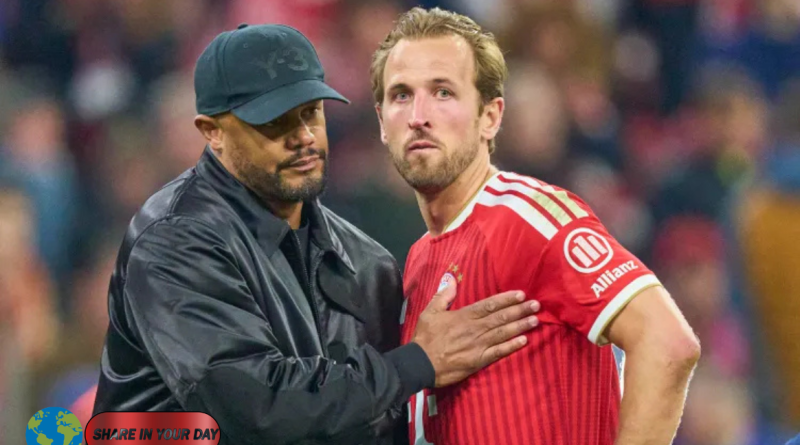
FC Bayern Munich entered their Champions League semifinal clash against Paris Saint-Germain believing a comeback at the Allianz Arena was still possible. Instead, the German giants were left facing another painful European exit after a tense 1-1 draw that handed PSG a 6-5 aggregate victory.
For long stretches of the match, Bayern looked frustrated, physically drained, and tactically overwhelmed. PSG, meanwhile, displayed composure, structure, and ruthless efficiency under manager Luis Enrique.
The result has sparked major discussions surrounding Vincent Kompany, Bayern’s tactical approach, and whether the squad has enough depth to compete with Europe’s elite in decisive moments.
Several key issues emerged during the semifinal defeat, and they may define Bayern’s transfer strategy and tactical identity heading into next season.
Bayern’s High-Intensity System Finally Hit a Wall
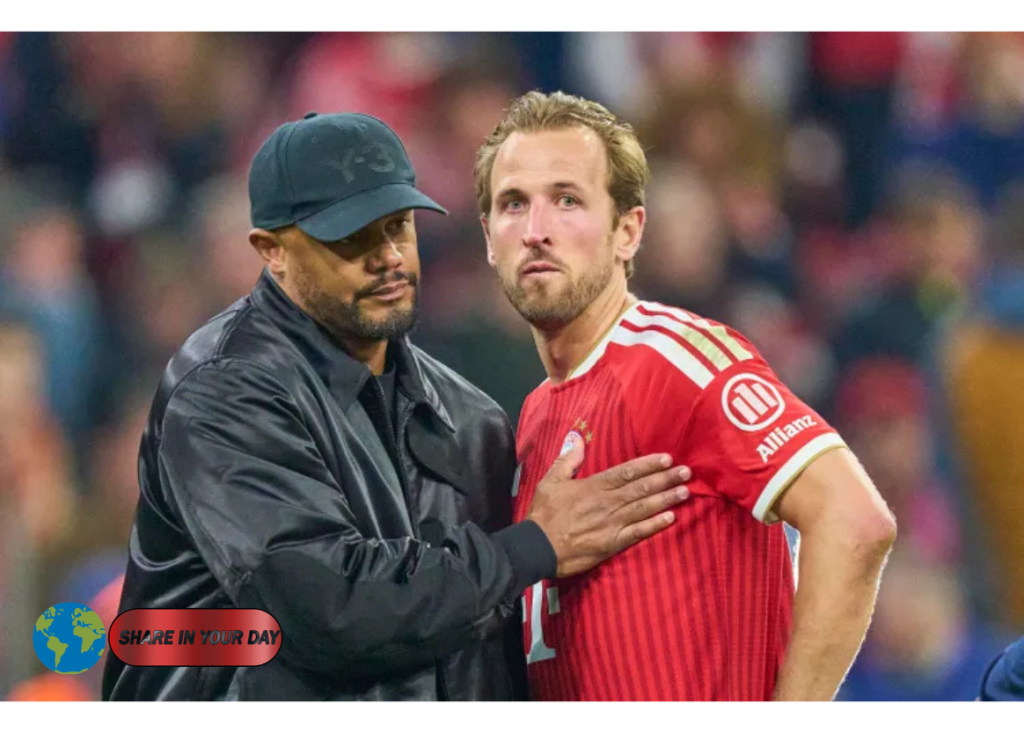
One of the clearest takeaways from Bayern Munich vs PSG was the visible fatigue inside Bayern’s squad.
Throughout the season, Kompany’s side has relied heavily on aggressive pressing, high defensive lines, and relentless attacking transitions. That approach delivered strong domestic performances and helped Bayern dominate large portions of the Bundesliga campaign.
However, against PSG, the physical demands of that system appeared unsustainable.
PSG consistently bypassed Bayern’s press with quick passing combinations and intelligent movement. Bayern’s midfield often looked stretched, while defenders struggled to recover once PSG transitioned into open space.
According to post-match analysis from Bavarian Football Works, PSG controlled the rhythm of the game early and exposed Bayern’s discomfort when forced into sustained defensive transitions.
The opening goal illustrated the issue perfectly.
Khvicha Kvaratskhelia drove forward with pace and precision before assisting Ousmane Dembélé for a crucial finish that silenced the Allianz Arena. Bayern’s defensive structure collapsed far too easily during the sequence.
As the match progressed, Bayern struggled to maintain intensity.
Several players looked exhausted physically and mentally, particularly during PSG’s counterattacking phases.
This has now raised serious questions about whether Kompany’s tactical setup can survive deep Champions League runs against elite opponents.
Michael Olise and Bayern’s Attack Were Neutralized
Another major storyline from Bayern Munich vs PSG was the ineffective performance of Bayern’s attacking unit.
Michael Olise entered the match as one of Bayern’s most dangerous creative threats. However, PSG successfully isolated him throughout the game.
Reports following the semifinal suggested Luis Enrique employed targeted tactical adjustments specifically designed to limit Olise’s influence. PSG repeatedly forced Bayern into uncomfortable wide areas and crowded Olise whenever he received possession.
The strategy worked.
Olise struggled to create meaningful chances, while Bayern’s attacking combinations lacked rhythm and precision.
Harry Kane fought hard and eventually scored a late equalizer, but Bayern rarely looked fully in control offensively.
Meanwhile, players like Jamal Musiala and Luis Díaz showed flashes of quality without consistently breaking down PSG’s defensive organization.
PSG defender Willian Pacho delivered one of the standout performances of the tie, helping neutralize Bayern’s forward movements with aggressive positioning and strong recovery defending.
Bayern still generated chances.
Statistically, they even produced competitive expected goals numbers across both semifinal legs. However, their finishing quality and decision-making in key moments were simply not good enough.
At the highest level of European football, missed opportunities are often fatal.
Bayern learned that lesson again.
Refereeing Controversy Added More Frustration
While Bayern’s tactical and physical issues were significant, refereeing decisions also became a major talking point after the match.
Kompany publicly criticized several controversial moments involving handball decisions and disciplinary calls.
The Bayern coach argued there was inconsistency in how incidents were interpreted throughout both legs of the semifinal.
One particularly debated sequence involved a potential handball by João Neves inside the penalty area. Bayern players expected VAR intervention, but no review significantly altered the game.
Kompany later stated that “too much went against us,” expressing frustration that several critical decisions appeared to favor PSG.
Despite the complaints, Bayern players also acknowledged their own shortcomings.
Joshua Kimmich admitted the team made too many mistakes during decisive moments, while journalists covering the match noted that PSG were ultimately slightly better over the two legs.
In reality, refereeing controversies alone cannot explain Bayern’s elimination.
PSG looked calmer, more efficient, and tactically sharper when it mattered most.
PSG Look Like Genuine Champions Again
One of the most impressive aspects of Bayern Munich vs PSG was how mature PSG appeared throughout the tie.
This version of PSG looks very different from previous seasons.
Rather than relying purely on superstar talent, the French champions now combine tactical discipline with explosive attacking quality.
Luis Enrique deserves enormous credit for that transformation.
Players pressed collectively, defended with commitment, and transitioned rapidly into attack whenever Bayern lost possession.
Dembele and Kvaratskhelia provided creativity and directness, while midfielders controlled tempo effectively under pressure.
PSG also demonstrated emotional control.
Even when Bayern pushed aggressively late in the match, PSG rarely looked panicked.
That composure reflects a team that now understands how to manage high-pressure Champions League moments.
After years of disappointment in Europe, PSG suddenly looks built for sustained success.
What Bayern Must Fix Before Next Season
Despite winning domestic trophies under Kompany, Bayern’s Champions League exit exposed several structural concerns.
The squad still possesses world-class talent, but improvements are clearly necessary.
Squad Depth
Bayern lacked impactful attacking options from the bench against PSG. Injuries and fatigue reduced Kompany’s flexibility late in matches.
Defensive Stability
The aggressive defensive line remains vulnerable against elite transition teams.
Tactical Adaptability
Kompany’s commitment to one playing style may limit Bayern against top European opponents capable of exploiting predictable patterns.
Clinical Finishing
Bayern created opportunities across both semifinal legs but failed to convert enough chances.
These issues will likely shape Bayern’s summer transfer plans as the club attempts to reclaim European dominance.
The Bigger Picture for Bayern Munich
The defeat against PSG does not erase Bayern Munich’s strong season.
Kompany guided the club to another Bundesliga title and restored attacking excitement to the team.
However, Champions League success remains the ultimate standard at Bayern.
Falling short again in the semifinals will intensify scrutiny surrounding the club’s long-term direction.
There is still a strong foundation in place.
Kane continues delivering elite performances. Musiala remains one of Europe’s brightest young stars. Olise has shown enormous potential throughout the campaign.
Yet modern Champions League football demands more than talent alone.
Depth, tactical flexibility, emotional control, and defensive discipline often decide knockout ties.
Against PSG, Bayern fell short in too many of those categories.
Final Thoughts
Bayern Munich vs PSG delivered another dramatic Champions League showdown filled with tactical battles, controversial moments, and elite-level intensity.
Ultimately, PSG advanced because they looked more complete.
Bayern showed courage and flashes of brilliance, but fatigue, missed chances, and defensive vulnerabilities proved too costly over two legs.
For Kompany and Bayern, the challenge now is turning painful lessons into progress.
Because at a club of Bayern’s size, semifinal appearances are never the final objective.