Oil Prices Jump After US-Iran Hormuz Clash Shock
Global oil markets surged on Friday after renewed military tensions between the United States and Iran sparked fears of a fresh disruption in the Strait of Hormuz, one of the world’s most critical energy shipping routes.
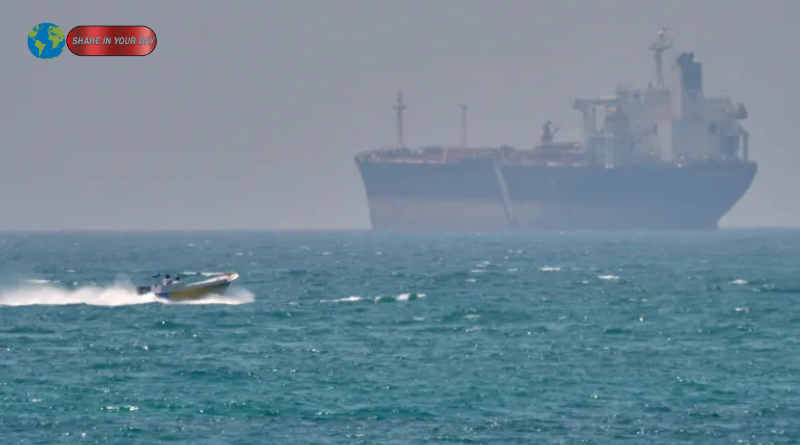
The latest escalation between Washington and Tehran rattled traders and investors across international markets. Brent crude futures climbed above $100 per barrel again, while West Texas Intermediate (WTI) crude posted strong gains amid growing uncertainty surrounding the fragile ceasefire in the region.
The Strait of Hormuz remains one of the most strategically important waterways on the planet. Roughly one-fifth of global oil and liquefied natural gas shipments move through the narrow passage every day. Any threat to maritime traffic in the area immediately sends shockwaves through global energy markets.
Oil Prices Jump as Fresh Violence Erupts
Oil prices jump sharply whenever geopolitical risks threaten supply chains, and the latest confrontation between US and Iranian forces was no exception.
According to reports, Iranian forces launched missiles and drones targeting US naval vessels operating near the Strait of Hormuz. The US military responded with retaliatory strikes against Iranian military infrastructure and launch sites.
The renewed exchange of fire immediately triggered concerns among energy traders that shipping operations through the strait could once again face delays, restrictions, or outright closures.
Brent crude rose by more than 1 percent during Friday trading, reaching approximately $101 per barrel, while WTI crude approached $96 per barrel. Analysts said the gains reflected growing fears that the already unstable ceasefire between the two countries may collapse entirely.
Although prices remain below the peak levels seen earlier during the conflict, volatility has intensified as investors monitor every military and diplomatic development in the Gulf region.
Why the Strait of Hormuz Matters
The Strait of Hormuz is often described as the world’s most important oil chokepoint.
Located between Iran and Oman, the narrow waterway connects the Persian Gulf with the Arabian Sea. Major oil producers including Saudi Arabia, Iraq, Kuwait, the United Arab Emirates, and Iran rely heavily on the route to export crude oil and natural gas to global markets.
Even temporary disruptions can send prices soaring because the global economy depends heavily on stable energy flows from the region.
Recent maritime tensions have already caused shipping delays and rising insurance costs for commercial vessels operating in the area. Analysts warn that prolonged instability could lead to severe supply chain disruptions across Europe and Asia.
Shipping intelligence data previously showed a dramatic drop in vessel traffic crossing the strait during the height of the crisis.
Global Markets React to Rising Energy Risks
The renewed spike in oil prices quickly spread across global financial markets.
Investors moved toward safer assets while stock markets faced renewed pressure amid concerns about inflation and energy shortages. Rising oil prices typically increase transportation and manufacturing costs, which can fuel broader inflation worldwide.
Earlier this week, optimism surrounding diplomatic negotiations had briefly pushed oil prices lower. Traders hoped that both sides were moving closer to stabilizing the situation and reopening secure commercial traffic routes.
However, Friday’s military exchange shattered much of that confidence.
Market analysts said traders are now pricing in a higher “risk premium” for oil because the geopolitical environment remains extremely unstable.
Oil Prices Jump Despite Previous Ceasefire Hopes
Only days earlier, markets had reacted positively to reports that Washington and Tehran were exploring ways to reduce tensions.
Iran previously signaled that safe passage through the Strait of Hormuz could be restored under certain conditions. Meanwhile, the United States temporarily paused a naval operation known as “Project Freedom,” which aimed to escort commercial vessels through the region.
Those developments briefly helped calm energy markets.
Yet analysts warned that the ceasefire remained fragile because core disagreements between both governments were unresolved. The renewed fighting now appears to confirm those fears.
Reuters reported that traders remain highly sensitive to political messaging coming from both capitals, with market sentiment shifting rapidly after each new statement or military action.
Energy Analysts Warn of Long-Term Volatility
Experts believe oil prices could remain highly volatile in the coming weeks.
Some analysts warn that even if large-scale military conflict is avoided, uncertainty surrounding shipping operations in the Gulf could continue to pressure global energy markets.
Insurance premiums for vessels operating near the Strait of Hormuz have already surged dramatically. Shipping companies also face rising operational risks and security concerns.
In addition, global inventories remain vulnerable after months of instability in the region.
If the situation worsens further, countries heavily dependent on Middle Eastern oil imports may experience additional economic strain. Asia, in particular, could face significant exposure because several major economies rely heavily on Gulf energy supplies.
Political Pressure Builds in Washington and Tehran
The rising oil prices are also creating political pressure inside both the United States and Iran.
In the US, higher gasoline prices could become a major political issue as consumers face increased transportation and energy costs. Reports already show American fuel prices climbing sharply during the crisis.
Meanwhile, Iranian authorities continue to accuse Washington of violating ceasefire agreements and escalating tensions through military operations in the Gulf.
US officials, however, argue that American forces are responding defensively to Iranian aggression and threats against international shipping lanes.
Diplomatic efforts remain ongoing, but confidence in a long-term resolution appears increasingly fragile.
Investigations Into Suspicious Oil Trades
As oil prices jump repeatedly during the crisis, regulators are also investigating suspicious trading activity tied to major geopolitical announcements.
According to reports, US authorities are examining billions of dollars in oil trades executed shortly before key military or diplomatic developments became public.
The investigation reportedly involves unusually large bets placed against oil prices before announcements regarding ceasefires, military pauses, or reopening discussions concerning the Strait of Hormuz.
While officials have not confirmed wrongdoing, the scale and timing of the trades have raised concerns among regulators and lawmakers.
The probe could become one of the largest investigations involving commodity trading and geopolitical events in recent years.
Could Oil Prices Rise Further?
Many analysts believe oil prices could climb even higher if tensions continue escalating.
Previous flare-ups in the conflict already pushed Brent crude above $114 per barrel earlier this month, levels not seen in several years.
Some market observers warn that a complete closure of the Strait of Hormuz would represent one of the largest energy supply disruptions in modern history.
Although such a scenario remains unlikely for now, traders are clearly preparing for continued instability.
Energy markets remain highly reactive because the global economy is still sensitive to sudden supply shocks. Therefore, every military development, ceasefire negotiation, or shipping update in the Gulf region could continue influencing prices almost instantly.
Outlook for Global Energy Markets
For now, oil traders are watching the Middle East situation closely as diplomatic efforts continue behind the scenes.
The immediate challenge for global markets is whether both countries can prevent further escalation while maintaining stable commercial shipping through the Strait of Hormuz.
If tensions ease, oil prices could stabilize again in the short term. However, if new attacks occur or maritime traffic becomes severely restricted, another major price surge may follow.
Either way, the latest confrontation has once again demonstrated how vulnerable global energy markets remain to geopolitical instability in the Middle East.