Backyard Bird Feeding Could Become an H5N1 Hotspot
Backyard bird feeding is a popular way for people to connect with nature. However, new concerns surrounding backyard bird feeding are emerging as highly pathogenic avian influenza, commonly known as H5N1 bird flu, continues to threaten wild birds and other animals.
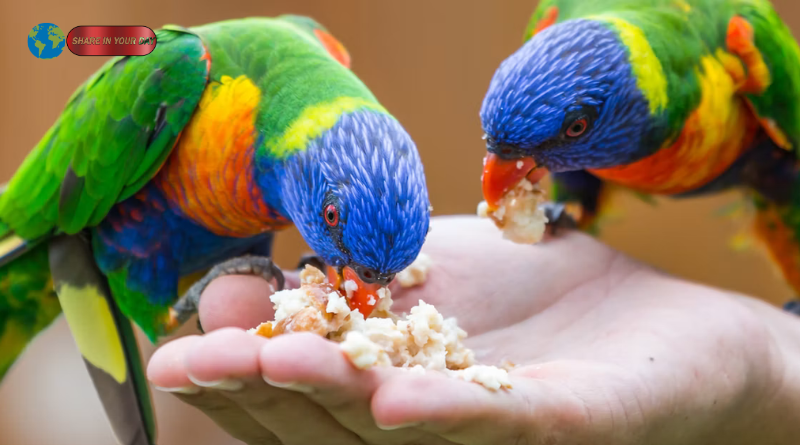
An expert analysis published by The Conversation warns that bird feeders could unintentionally create conditions that help infectious diseases spread. The concern is particularly significant in Australia, where H5N1 has been detected in wildlife and has already caused serious losses among birds and mammals.
The issue is not simply that birds visit feeders. The bigger concern is what happens when large numbers of different species gather in one small location.
In nature, birds are spread across large areas. A backyard feeder, however, can concentrate them around a single food source. That concentration could create an ideal environment for pathogens to move between animals.
Why Backyard Bird Feeding May Increase Disease Transmission
People feed wild birds for many reasons. Some want to attract colorful species, while others believe supplementary food helps birds survive difficult conditions.
But feeding can change the normal behavior of wildlife.
Seeds, scraps and other food placed outdoors can attract multiple species to the same location. Birds that might rarely interact in nature can suddenly share feeding surfaces, food and surrounding ground.
That creates more opportunities for viruses and other pathogens to move between animals.
The Conversation’s analysis points to this concentration effect as a major reason backyard bird feeding deserves renewed attention during an H5N1 outbreak.
A feeder can effectively become a small transmission hotspot.
If an infected bird visits the area, other birds may come into contact with contaminated surfaces, food or droppings. Birds can then carry pathogens to other locations.
This does not mean every bird feeder is automatically dangerous. Instead, the risk depends on the disease situation, the species visiting the feeder, local wildlife conditions and how the feeding station is maintained.
H5N1 Is More Than a Poultry Problem
H5N1 is a highly pathogenic form of avian influenza that has caused major outbreaks in domestic and wild birds.
The virus has also affected mammals. According to the recent report, Australia has seen H5N1-related wildlife deaths involving more than 1,000 crested terns and a long-nosed fur seal.
That wider range of affected species is one reason wildlife experts are taking the current situation seriously.
Wild birds can move considerable distances. Migratory species can potentially carry pathogens between regions, while predators and scavengers can become exposed by eating infected animals.
Species that consume dead birds may therefore face a different risk from small songbirds that primarily eat seeds.
The consequences can be particularly severe for threatened wildlife.
An outbreak that spreads through a vulnerable population could add another pressure to species already facing habitat loss, predators, climate change and other environmental threats.
The orange-bellied parrot is one example highlighted in the expert analysis.
Could Bird Feeders Put Humans at Risk?
The possibility of H5N1 spreading through wildlife naturally raises concerns about people.
However, the risk to humans from wild birds is not the same as the risk faced by infected birds. Human infections with avian influenza remain relatively uncommon, and exposure risk is generally much higher for people who have close or prolonged contact with infected animals.
Wildlife carers, veterinarians, poultry workers and others who handle potentially infected animals can face greater exposure.
The recent analysis notes that humans who come into close contact with infected wildlife can contract H5N1, although human infection is rare and often causes mild illness.
That does not mean people should panic when they see a bird in their garden.
Instead, basic precautions are important.
People should avoid touching sick or dead wild birds. Pets should also be kept away from wildlife carcasses. Anyone who encounters a potentially infected animal should follow local wildlife and animal-health reporting guidance.
Related reading: [Internal link: Latest bird flu and wildlife health coverage]
The Biggest Problem May Be Crowding
One of the simplest ways to understand the concern about backyard bird feeding is to think about crowding.
A bird feeder provides food in a concentrated location. If food is abundant, more birds may arrive and remain in the area.
That means more birds are potentially sharing the same space.
Disease transmission can become easier when infected and healthy animals repeatedly come into close contact.
The same basic principle applies to other wildlife diseases. A crowded feeding location can increase contact between animals that would otherwise spend more time apart.
This is why the expert recommendation is not necessarily about the food itself. It is about reducing unnecessary concentrations of wildlife during an active disease threat.
Should You Stop Feeding Birds?
According to the expert analysis behind the report, the safest option during the current H5N1 situation is to stop feeding wild birds.
Without a food source, birds are less likely to congregate in large numbers around a particular backyard.
Importantly, this does not necessarily mean birds will go hungry.
Research cited in the analysis indicates that many birds visiting feeders obtain most of their nutrition from natural food sources such as insects and worms. Supplemental food may therefore be more of a convenient snack than an essential part of their diet.
Removing a feeder can therefore reduce the concentration of birds without necessarily depriving them of their primary food supply.
For people who enjoy birdwatching, there are also alternatives.
Planting native vegetation, maintaining natural habitat and providing a garden that attracts insects can allow people to observe wildlife without creating a concentrated artificial food source.
Three Safer Steps If You Continue Feeding Birds
Some bird enthusiasts may decide they still want to maintain feeders. In that situation, reducing disease risks becomes especially important.
1. Offer Less Food
The first step is to reduce the amount of food available.
A constantly full feeder can attract large numbers of birds and encourage them to remain in close proximity.
Providing smaller amounts can reduce crowding.
The goal is not to create a busy feeding station. It is to minimize unnecessary contact between birds while still allowing people to enjoy observing wildlife.
During an H5N1 outbreak, less concentration can mean fewer opportunities for transmission.
2. Avoid Hand-Feeding Wild Birds
Hand-feeding creates extremely close contact between humans and wildlife.
A bird taking food directly from someone’s hand may look harmless, but close interactions are unnecessary during an infectious disease outbreak.
People should avoid handling wild birds unless they are trained and equipped to do so.
If a bird appears sick, injured or unusually weak, do not attempt to pick it up simply to move it somewhere safer.
Instead, keep your distance and contact the appropriate wildlife or animal-health authorities.
3. Clean Feeding Equipment Regularly
If backyard bird feeding continues, hygiene becomes essential.
Feeders and other surfaces that birds regularly contact should be cleaned frequently. The expert analysis specifically recommends cleaning feeding surfaces and equipment with domestic bleach.
Dirty feeders can create additional problems because food residue, droppings and moisture can allow pathogens and other microorganisms to accumulate.
Cleaning should therefore be treated as a basic responsibility rather than an optional task.
Anyone unwilling or unable to maintain clean feeding equipment should reconsider whether continuing to feed wild birds is appropriate during an outbreak.
Bird Baths May Also Need Attention
Bird feeding is not the only way wildlife can congregate in backyards.
Bird baths can also bring multiple animals together around a shared water source.
While the recent expert analysis focuses primarily on feeding, general bird-feeder guidance emphasizes that equipment and surfaces used by wild birds should be properly maintained. The Ornithological Council’s 2026 fact sheet similarly highlights the importance of appropriate feeder placement and maintenance in reducing potential disease risks.
Gardeners should therefore consider the broader wildlife environment around their homes.
A clean, natural garden can support birds without necessarily encouraging them to gather in unusually high numbers.
Bird Flu Advice Can Differ by Region
It is important to recognize that recommendations about bird feeders are not identical everywhere.
Some wildlife organizations have previously advised that ordinary backyard songbird feeders can remain in use under certain circumstances, particularly in areas where H5N1 is not affecting species commonly visiting those feeders.
That means bird owners should pay attention to local guidance rather than assuming advice from another country automatically applies to their area.
The current Australian situation described by The Conversation is particularly relevant because H5N1 has been detected in Australian wildlife.
Local wildlife authorities can provide the most appropriate information when disease conditions change.
A Better Way to Attract Birds
People do not have to give up their interest in birds simply because feeding becomes risky.
One alternative is to make gardens more attractive through natural habitat.
Native plants can provide seeds, nectar, shelter and insects. Trees and shrubs can give birds places to rest and nest.
This approach also has broader ecological benefits.
Instead of bringing many birds to one artificial feeding station, a natural garden can distribute resources across a larger area.
For bird lovers, it can also create a more sustainable way to observe wildlife.
[Internal link: Guide to creating a bird-friendly backyard]
What to Do If You Find a Sick or Dead Bird
People should never assume that a sick or dead bird has H5N1. Many wildlife diseases can cause similar symptoms.
However, caution is appropriate.
Do not touch the animal. Keep children and pets away, and avoid bringing the carcass into your home.
The recent Australian guidance cited in the report recommends recording the location and taking photographs from a safe distance before reporting the sighting through the appropriate animal-health channels.
The exact reporting process varies by country and region, so residents should follow instructions from their local wildlife or veterinary authorities.
The Key Lesson for Bird Lovers
The debate over backyard bird feeding is not about whether people should care about wildlife.
In fact, the opposite is true.
Many people feed birds because they genuinely want to help them. But during an infectious disease outbreak, an activity designed to support wildlife can sometimes create unintended risks.
Concentrating birds around a shared food source can increase contact between species. If an infectious virus is circulating, that contact could help the disease move through vulnerable wildlife populations.
For that reason, temporarily removing feeders may be the safest choice in areas affected by H5N1.
For those who continue feeding birds, reducing the amount of food, avoiding hand-feeding and maintaining strict cleaning routines can help reduce unnecessary exposure.
Ultimately, the best approach is to follow current local wildlife-health guidance.
Birdwatching does not have to end. But during an H5N1 outbreak, giving wild birds more space may be one of the most responsible ways people can protect the animals they enjoy watching.