West Nile Virus Chicago: First Death Confirmed
West Nile virus Chicago health concerns have intensified after a resident died from the mosquito-borne disease, marking the city’s first reported West Nile-related death of 2026.
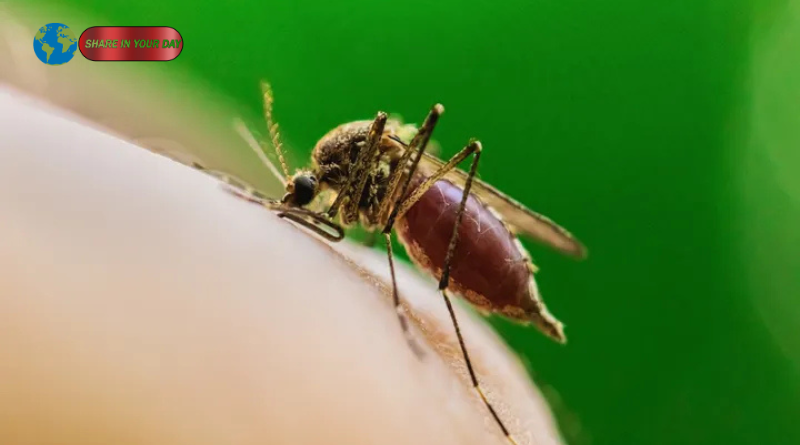
The Chicago Department of Public Health confirmed two human West Nile virus cases in the city this year, including one death. Illinois health officials have also reported additional infections elsewhere in the state, highlighting the continued risk as mosquito activity remains high.
The development comes during a period when West Nile virus transmission is an important seasonal concern across the United States. According to the Centers for Disease Control and Prevention, 407 West Nile virus disease cases had been reported nationally as of Sept. 1, including severe cases affecting the nervous system.
Chicago officials are now urging residents to take mosquito prevention seriously, particularly because wet weather can create more breeding opportunities.
Why West Nile Virus Chicago Cases Are Rising
The Chicago Department of Public Health said the city experienced one of its rainiest summers in years in 2026. More rainfall can leave pools of standing water where mosquitoes can reproduce.
CDPH Commissioner Garth Walker said the weather has given mosquitoes more opportunities to breed and emphasized that avoiding mosquito bites remains one of the most effective ways to reduce the risk of infection.
The situation is not limited to Chicago.
The Illinois Department of Public Health confirmed the state’s first human West Nile virus case on Aug. 26. At that time, officials had also identified three probable cases in northern Illinois and reported that West Nile virus activity had been detected in 50 counties through mosquito, horse or human testing.
By Sept. 2, the state’s surveillance data showed 13 human cases and one death in 2026. The state had also recorded thousands of positive mosquito batches, demonstrating how widespread viral activity has become across Illinois.
West Nile Virus Chicago Risk Is Linked to Mosquitoes
West Nile virus is primarily transmitted through the bite of an infected mosquito.
The virus circulates naturally between mosquitoes and birds. A mosquito can become infected after feeding on a bird carrying West Nile virus. It can then transmit the virus when it bites another person or animal.
Importantly, West Nile virus does not normally spread from person to person through casual contact.
That means the biggest public health defense is controlling mosquito exposure rather than avoiding people who may be infected.
Chicago has been monitoring mosquito populations throughout the season. The city has also used mosquito-control measures in areas where officials identified elevated risk.
According to Fox News, insecticide spraying has been carried out in several Chicago communities, including Beverly, Burnside, Chatham, East Garfield Park, the Lower West Side, Morgan Park, the Near West Side, North Lawndale, O’Hare, Pullman, Roseland, South Deering, Washington Heights, West Lawn and West Pullman.
West Nile Virus Symptoms Can Be Easy to Miss
One reason West Nile virus can be difficult to detect is that most infected people do not develop noticeable symptoms.
The CDC estimates that about 80% of people infected with West Nile virus develop no symptoms. About 20% develop a mild illness that can resemble the flu.
Possible symptoms include:
- Fever
- Headache
- Body aches
- Joint pain
- Vomiting
- Diarrhea
- Rash
- Fatigue
Most people with mild illness recover fully, although fatigue and weakness can sometimes continue for weeks or even months.
Because symptoms can resemble other common illnesses, people may not immediately realize they have been infected with West Nile virus.
However, severe symptoms require much greater attention.
West Nile Virus Can Cause Serious Neurological Disease
In fewer than 1% of infections, West Nile virus can cause severe disease involving the central nervous system. This is known as neuroinvasive disease.
Severe West Nile infections can cause meningitis, encephalitis or other neurological complications. Symptoms may include high fever, severe headache, neck stiffness, confusion, muscle weakness, tremors, seizures, numbness, vision loss or paralysis.
The CDC says older adults and people with certain underlying medical conditions face a greater risk of severe illness.
People with conditions such as diabetes, cancer, high blood pressure or kidney disease may have an increased risk, while age also plays an important role. The CDC notes that adults 65 and older are more likely to develop neurological disease than younger adults.
Anyone experiencing serious neurological symptoms after possible mosquito exposure should seek medical attention promptly.
Who Faces the Greatest West Nile Risk?
The West Nile virus Chicago situation is a reminder that mosquito-borne illnesses can affect people of all ages. Still, severe disease is more likely in certain groups.
Older adults are among those at greatest risk. People with weakened immune systems and some chronic health conditions can also be more vulnerable to serious complications.
That does not mean younger or otherwise healthy people are completely protected.
Anyone living in or visiting an area where West Nile virus is circulating can become infected after being bitten by an infected mosquito. The CDC says all states in the contiguous United States have reported West Nile cases.
For that reason, prevention remains important even for people who do not consider themselves high-risk.
How Chicago Residents Can Prevent West Nile Virus
The most effective strategy is to prevent mosquito bites.
The CDC recommends using an Environmental Protection Agency-registered insect repellent when spending time outdoors. People should also consider wearing long, loose-fitting shirts and pants to reduce exposed skin.
Timing can also matter.
Mosquitoes that spread West Nile virus are particularly active around dusk and dawn. Limiting outdoor exposure during these periods can reduce the number of opportunities for mosquito bites.
Residents should also protect their homes.
Window and door screens should be maintained so mosquitoes cannot easily enter. Air conditioning can provide another layer of protection when available.
Outside the home, eliminating standing water is equally important.
Containers such as flowerpots, buckets, birdbaths and other objects can collect water after rainfall. Emptying or cleaning them regularly can reduce places where mosquitoes lay eggs.
Chicago’s Mosquito Control Efforts
Chicago’s public health authorities have been monitoring West Nile activity throughout the 2026 mosquito season.
Earlier in June, CDPH reported the first West Nile-positive mosquito samples in the city. The department said its mosquito-control program includes surveillance, testing and measures intended to reduce mosquito populations.
The city has also treated areas where mosquito activity warranted additional control measures.
These efforts are designed to reduce the number of infected mosquitoes, but officials continue to emphasize that individual protection remains essential.
Residents can therefore play an important role by eliminating standing water around their properties and taking precautions when outdoors.
Rainy Weather Could Keep Mosquito Risk Elevated
Weather conditions are an important part of the current West Nile virus Chicago story.
Chicago health officials specifically pointed to the unusually rainy summer as a factor that created more opportunities for mosquito breeding.
Standing water does not necessarily need to be a large pond or flooded area. Even small containers around homes can provide suitable breeding sites for mosquitoes.
As a result, residents should inspect their yards, balconies, gardens and other outdoor areas after periods of rainfall.
Keeping grass and weeds trimmed can also reduce mosquito hiding places around properties, while removing unnecessary containers can help limit breeding opportunities. Chicago health officials have included these types of measures among their mosquito-control recommendations.
What Happens if Someone Gets West Nile Virus?
There is currently no licensed vaccine or specific medicine available to prevent or treat West Nile virus infection in people.
Treatment is generally supportive, meaning doctors focus on managing symptoms and complications. Mild cases may resolve on their own, while severe infections can require hospitalization and close monitoring.
People who develop symptoms after a possible mosquito exposure should speak with a healthcare professional, particularly if symptoms become severe.
The CDC says immediate medical attention is warranted for warning signs such as high fever, neck stiffness, muscle weakness, confusion or tremors.
Why the Chicago Death Matters
The first West Nile virus Chicago death of 2026 is a serious reminder that the disease should not be dismissed as simply another summertime mosquito nuisance.
Most infections do not cause symptoms, and many people who become mildly ill recover. Nevertheless, a small percentage of infections can develop into severe neurological disease, which can lead to permanent complications or death.
The Illinois experience also shows why public health surveillance matters.
State officials had already detected West Nile activity in mosquitoes before human cases emerged. Monitoring mosquito populations, birds, animals and human infections gives health departments an opportunity to warn communities and deploy control measures.
That surveillance is particularly important during periods of warm and wet weather, when mosquito populations can increase.
What Residents Should Do Now
Chicago residents do not need to panic, but they should take practical precautions.
The most important steps are straightforward: use an EPA-registered mosquito repellent, wear protective clothing outdoors, avoid peak mosquito activity when possible, maintain window screens and remove standing water around the home.
People should also pay attention to symptoms after spending time in areas with mosquito activity.
A fever or headache may have many possible causes, but symptoms such as confusion, severe weakness, neck stiffness, tremors or other neurological changes warrant prompt medical evaluation.
Residents can find additional information through the Chicago Department of Public Health and the Illinois Department of Public Health’s West Nile virus resources.
The CDC’s West Nile virus guidance also provides current information on symptoms, prevention, transmission and national surveillance.
The Bottom Line on West Nile Virus Chicago
The first West Nile virus death reported in Chicago in 2026 has put renewed attention on mosquito-borne disease as summer gives way to fall.
Two human cases have been confirmed in the city, while Illinois has reported additional infections and widespread evidence of West Nile activity in mosquitoes. Nationally, the CDC reported 407 West Nile disease cases as of Sept. 1.
For most people, infection causes no symptoms or only a mild illness. But severe neurological disease can occur, particularly among older adults and people with certain health conditions.
With mosquito activity continuing, prevention remains the strongest defense.
Eliminating standing water, using insect repellent, wearing protective clothing and limiting exposure during peak mosquito hours are simple steps that can significantly reduce the chance of being bitten.
Internal link suggestions: Add links to your site’s existing articles about mosquito-borne diseases, summer health risks, CDC health warnings, or infectious disease prevention using descriptive anchor text. Because no target website/domain was provided, I have not invented internal URLs.