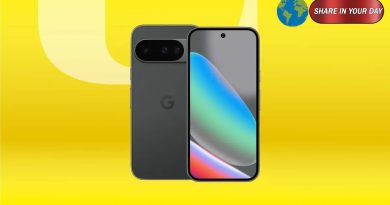
Google Pixel 11 Pro Review: 7 Powerful Reasons It Still Shines

The latest Google Pixel 11 Pro review paints a familiar but increasingly interesting picture for Google’s flagship smartphone strategy. The company has once again released a premium Android device that does not necessarily lead the market in every benchmark or hardware specification. However, after several weeks of real-world use, the Pixel 11 Pro appears to deliver something that specifications alone cannot easily measure: an exceptionally polished everyday smartphone experience.
Google’s newest Pro model arrives with a starting price of $1,099, placing it firmly among the most expensive Android smartphones available. That higher price makes the device’s shortcomings more noticeable. The Tensor G6 processor does not dominate competing flagship chips, charging speeds remain relatively slow, and some of Google’s newest software features have yet to demonstrate their full potential.
Yet the overall experience remains difficult to dismiss. According to a detailed hands-on assessment from Android Authority, the Pixel 11 Pro combines strong cameras, refined hardware, improved connectivity, efficient battery performance, and Google’s distinctive software experience into a package that remains highly compelling despite its imperfections.
1. Google Pixel 11 Pro Review: A Phone That Gets the Basics Right
One of the strongest conclusions from this Google Pixel 11 Pro review is that Google continues to excel at making smartphones that feel enjoyable in daily use.
The Pixel 11 Pro may not offer the most dramatic hardware revolution compared with its predecessor. Nevertheless, smooth performance, fluid animations, responsive software, and a refined physical design contribute to a consistently premium experience.
The smaller Pixel 11 Pro features a 6.3-inch display, making it a more manageable option for users who prefer one-handed operation. Google has also made subtle improvements to the phone’s balance and comfort, helping it feel less top-heavy than earlier models.
The display itself remains one of the device’s standout features. It supports a variable refresh rate between 1Hz and 120Hz and can reach brightness levels of up to 3,600 nits. That combination provides smooth scrolling while also improving outdoor visibility.
For many users, these everyday improvements may ultimately matter more than a dramatic jump in benchmark scores.
2. The Tensor G6 Delivers Better Efficiency
Google’s Tensor processors have frequently faced criticism for lagging behind Qualcomm’s Snapdragon chips in raw performance. The Tensor G6 continues that trend to some extent.
Benchmark testing shows that the chip does not match the highest-performing Android processors in CPU and GPU workloads. Users looking for maximum gaming performance or industry-leading benchmark numbers may therefore find competing flagship smartphones more appealing.
However, raw performance is only one part of the smartphone experience.
In everyday use, the Tensor G6 appears fast and reliable. Apps open quickly, animations remain smooth, and demanding mobile games can still run well. More importantly, the new processor improves efficiency.
The Pixel 11 Pro has a 4,850mAh battery, while the Pixel 11 Pro XL uses a 5,115mAh battery. Despite these capacities being slightly smaller than those of their predecessors, the new models reportedly provide better real-world battery performance.
The smaller Pixel 11 Pro delivered approximately four and a half to more than six hours of screen-on time in real-world testing, often with battery capacity remaining at the end of the day. The improved efficiency represents one of the most meaningful upgrades introduced with the Tensor G6.
3. Connectivity Receives a Major Upgrade
Another important improvement highlighted in this Google Pixel 11 Pro review involves connectivity.
The Tensor G6 introduces a MediaTek M90 modem rather than continuing with previous Exynos-based modem technology. That change appears to address one of the long-running complaints associated with Pixel smartphones.
Testing reported by Android Authority found that the Pixel 11 Pro could maintain 5G connections for longer periods, achieve faster download speeds, and consume slightly less battery power while connected to 5G compared with the previous Pixel generation.
This may not be the most glamorous upgrade, but it could be one of the most important.
Reliable connectivity affects nearly every aspect of smartphone ownership. Better cellular performance can improve calls, messaging, navigation, streaming, and general internet use. After years of complaints surrounding Pixel connectivity, this improvement could represent a major step forward for Google.
4. The Pixel Camera Experience Remains Exceptional
A Google Pixel 11 Pro review would not be complete without discussing the camera system.
Google’s Pixel smartphones have built their reputation around computational photography and intelligent image processing. The Pixel 11 Pro continues that tradition with what the review describes as an effortlessly excellent camera experience.
Rather than requiring users to manually adjust complicated camera settings, Pixel phones have traditionally focused on making it easy to capture strong photos in a wide range of situations.
That approach remains one of Google’s biggest competitive advantages.
The combination of premium camera hardware and Google’s computational photography software helps the Pixel 11 Pro deliver consistently impressive results. For many smartphone buyers, camera reliability matters more than having the longest specification sheet.
Google’s software also continues to introduce new AI-powered photography tools and features designed to make editing and capturing images easier.
5. Google’s Software Is Still Among the Best on Android
Perhaps the biggest reason the Pixel 11 Pro remains compelling is Google’s software experience.
Pixel smartphones offer a collection of features that work together to create a more intelligent and convenient device. Spam call protection, Call Screening, Now Playing, Face Unlock, Pixel Screenshots, and the Pixel Weather application all contribute to the overall experience.
These features may seem relatively small when considered individually. However, together they help create a software experience that feels more integrated and thoughtful than many competing Android interfaces.
Google has also introduced a new voice typing feature called Rambler.
Rambler allows users to speak naturally and make formatting requests while dictating text. For example, users can issue instructions related to formatting without stopping the flow of dictation.
This type of feature demonstrates where Google’s AI strategy may be most effective: not necessarily by adding flashy technology for marketing purposes, but by improving everyday interactions with a smartphone.
6. Built-In Magnets Continue to Be a Major Advantage
The Pixel 11 Pro continues to include built-in magnets for Google’s Pixelsnap accessory ecosystem.
This may sound like a relatively minor feature compared with AI capabilities or camera technology, but it can have a significant impact on daily usability.
Built-in magnets make it easier to attach compatible accessories, including wallets and charging products, without relying on a separate magnetic phone case.
For users who prefer using their smartphones without bulky cases, this integrated approach can be particularly useful. Google remains unusual among major Android manufacturers in making this functionality part of the phone itself rather than requiring an accessory.
Sometimes the most practical features are not the ones that dominate product launch presentations.
7. The Biggest Problems Cannot Be Ignored
Despite its many strengths, the Pixel 11 Pro is far from perfect.
The most disappointing new feature appears to be HiLight, a glowing notification element on the rear of the Pixel 11 Pro and Pixel 11 Pro XL. At present, its functionality is limited.
Users can assign colors to selected contacts for incoming calls, while the feature can also respond to certain Gemini interactions when the phone is placed face down. However, the functionality appears limited compared with what many users may have expected.
Third-party applications have already demonstrated additional possibilities, making the limited official implementation even more frustrating.
Proactive Assistance is another feature that has yet to prove its value. The system is designed to identify relevant information and offer useful shortcuts based on what users are doing. In practice, however, the feature has reportedly provided limited benefits during several weeks of testing.
Charging is also a weakness.
The Pixel 11 Pro supports up to 30W wired charging, while the Pixel 11 Pro XL supports up to 45W. Testing showed that the standard Pro model required approximately 86 minutes to charge from zero to 100%.
The Pro XL performs better, completing a full charge in approximately 64 minutes, but competitors are capable of significantly faster results.
At a starting price of $1,099, slow charging is becoming increasingly difficult to justify.
Is the Google Pixel 11 Pro Worth Buying?
The answer depends largely on what buyers want from a flagship smartphone.
Users who demand the highest benchmark scores, the fastest charging, or the most powerful graphics performance may find better options elsewhere.
However, the Google Pixel 11 Pro review makes a strong argument for the importance of the complete smartphone experience.
Google has created a device with excellent cameras, refined hardware, improved connectivity, strong battery efficiency, useful AI features, and one of the most polished Android software experiences available.
The phone’s flaws are real. HiLight feels underdeveloped, Proactive Assistance has yet to demonstrate consistent value, and charging remains behind many competitors. The higher starting price and reduced base RAM compared with the previous generation also deserve criticism.
Nevertheless, the Pixel 11 Pro succeeds because its strengths are experienced throughout the day.
The phone does not need to win every benchmark to be enjoyable. It simply needs to work well when users need it. From taking photos and managing calls to navigating the web and using AI-powered tools, the Pixel 11 Pro appears to deliver a consistently polished experience.
For owners of the Pixel 10 Pro, an upgrade may be difficult to justify because the overall improvements are relatively incremental.
For users coming from an older Pixel or another Android device, however, the new model could be a compelling choice.
Final Verdict
The Google Pixel 11 Pro review reveals a smartphone that is imperfect but still remarkably easy to recommend.
Google has not solved every problem. Its newest flagship remains slower than some rivals in raw performance, charging technology needs significant improvement, and several new features currently feel unfinished.
However, the Pixel 11 Pro also demonstrates why specifications do not tell the entire story.
Its excellent cameras, improved modem, efficient Tensor G6 processor, bright display, integrated magnetic system, and outstanding software experience create a flagship that feels greater than the sum of its individual components.
At $1,099, expectations should be high, and Google deserves criticism for the areas where it has failed to keep pace with competitors.
Still, for users who prioritize photography, software intelligence, everyday reliability, and a refined Android experience, the Pixel 11 Pro remains one of the most interesting flagship smartphones of 2026.
Internal link suggestions: Link naturally to related articles about Google Pixel phones, Android 17, Gemini AI, smartphone camera comparisons, or the Pixel 10 Pro.
External source: Read the original Android Authority review