Anak Krakatau Eruption Disrupts 1,558 Flights
The Anak Krakatau eruption has caused widespread disruption across Indonesia, forcing authorities to close eight airports and affecting about 1,558 flights as volcanic ash spread across western parts of the country.
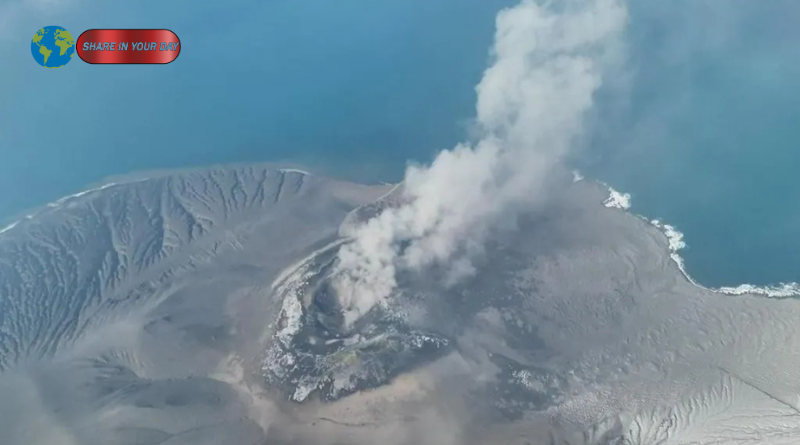
The eruption has created major problems for air travelers, particularly around Jakarta’s Soekarno-Hatta International Airport. About 170,000 passengers have been affected, according to Indonesian authorities and reports from Reuters and other international news agencies.
The situation remains fluid because volcanic ash can move rapidly with changing winds. Indonesian authorities are continuing to monitor the volcano, airspace and airport operations while warning travelers to check directly with airlines before heading to airports.


5
Image ALT Text: Anak Krakatau eruption sends volcanic ash across Indonesia
Anak Krakatau Eruption Forces Airport Closures
The Anak Krakatau eruption began producing sustained eruptive activity late Friday, with lava fountains, seismic activity and loud booming sounds reported around the volcano.
The volcano sits in the Sunda Strait between Indonesia’s main islands of Java and Sumatra. Its location makes the eruption particularly significant for aviation because ash can spread far beyond the immediate volcanic area.
By Sunday, authorities had suspended operations at eight airports as ash entered flight paths and surrounding airspace. The affected airports included Soekarno-Hatta International Airport near Jakarta and other airports serving western Indonesia.
Reuters reported that more than 1,500 flights and roughly 170,000 passengers were affected across the airports. At Soekarno-Hatta alone, nearly 1,000 flights were impacted.
The closures were implemented as a safety measure rather than because of direct damage to airport infrastructure.
That distinction is important. Volcanic ash can create serious risks for aircraft even when an airport itself is operating normally.
Why Volcanic Ash Is Dangerous for Aircraft
Volcanic ash is made up of tiny fragments of rock and minerals produced during an eruption. Unlike ordinary clouds, an ash cloud can damage aircraft engines and other critical systems.
When an aircraft flies through a concentrated ash cloud, the material can enter its engines. At high temperatures, volcanic particles may melt and then stick to engine components, potentially affecting airflow and engine performance.
Ash can also reduce visibility and damage aircraft windscreens and sensors.
For airlines, avoiding contaminated airspace is therefore a fundamental safety requirement. This explains why flights can be suspended even when there are no reports of lava reaching populated areas.
The aviation disruption caused by the current eruption demonstrates how a volcano located more than 150 kilometres from Jakarta can affect one of Indonesia’s most important transportation hubs.
Ash Clouds Reached High Into the Atmosphere
The scale of the ash plume has been a major concern for aviation authorities.
Indonesia’s meteorological agency reported ash reaching approximately 6,000 metres on the Java side of the volcano. On the Sumatra side, the plume reached as high as 15,000 metres, or about 50,000 feet.
That height puts the ash directly into the broader environment used by commercial aircraft.
The direction of the ash also matters. Winds can carry volcanic material over densely populated areas and major transportation routes.
Authorities therefore need to continuously update aviation warnings rather than relying on a single forecast.
The eruption has also affected daily life beyond airports.
Schools in Jakarta and Lampung have shifted to remote learning in response to concerns over ash exposure. Fishing activities have also been disrupted in some areas.
About 170,000 Passengers Affected
The scale of the travel disruption grew rapidly as more airports were temporarily closed.
Initial reports focused on hundreds of flights at Soekarno-Hatta. However, as ash spread, the number of affected airports and flights increased.
By Sunday, authorities were reporting approximately 1,558 affected flights and around 170,000 passengers across the impacted airports.
Travelers faced cancellations, delays and diversions.
The disruption affected both domestic and international services. Routes involving destinations such as Singapore, Doha, Sydney and Kuala Lumpur were among those affected.
Indonesia’s Transportation Ministry urged airlines to prioritize safety and provide passengers with updated information.
Some alternative airports were also prepared to receive diverted flights, helping airlines manage the disruption while volcanic ash remained in the airspace.
What Travelers Should Do
Passengers traveling through Indonesia during the disruption should check their flight status directly with their airline before leaving for the airport.
Travelers should also avoid relying solely on an earlier boarding pass or scheduled departure time because airport conditions can change quickly.
If a flight has been cancelled, passengers should contact the airline regarding rebooking, refunds or alternative routes.
The Indonesian government has also encouraged passengers to follow official airport and aviation announcements rather than unverified social media reports.
Anak Krakatau Remains Closely Monitored
Indonesia’s authorities continue to monitor the volcano and the movement of volcanic ash.
The volcano remains under an elevated alert status, with authorities maintaining an exclusion zone around the crater. Ships operating in the Sunda Strait have also been advised to exercise caution because of the ongoing volcanic activity.
The Indonesian disaster management agency has said there is currently no imminent tsunami threat associated with the eruption.
That is particularly significant because Anak Krakatau has a history of generating dangerous secondary effects.
The volcano is the younger volcanic formation associated with the Krakatoa caldera. It emerged from the sea in the early 20th century following the enormous 1883 eruption of Krakatoa.
The 2018 Anak Krakatau Disaster
Anak Krakatau became internationally associated with volcanic hazards in December 2018, when a major eruption caused part of the volcanic island to collapse into the sea.
The collapse triggered a tsunami that struck coastal communities on Java and Sumatra.
More than 400 people were killed, and thousands more were displaced or injured.
The history of the volcano explains why Indonesian authorities are taking the current eruption seriously.
However, officials have emphasized that the current situation does not mean a repeat of the 2018 disaster is occurring.
There is currently no immediate tsunami threat reported from the latest activity. Authorities are instead concentrating heavily on volcanic ash, aviation safety and the impact on communities.
Indonesia’s Volcanic Risk Is Nothing New
Indonesia sits along the Pacific Ring of Fire, a region characterized by frequent earthquakes and volcanic activity.
The country’s geographical position means volcanic eruptions are a recurring natural hazard.
Anak Krakatau is only one of several active volcanoes that Indonesian authorities monitor. The country’s volcanic monitoring network plays a critical role in detecting changes in activity and issuing warnings.
The current crisis also demonstrates how volcanic hazards can extend far beyond the volcano itself.
There have been no reports of the current eruption causing mass casualties or requiring widespread evacuation. Yet the economic and transportation consequences have already been substantial.
Airports have closed. Thousands of flights have been disrupted. Schools have moved classes online. Fishing activities have been affected. Residents have been advised to protect themselves from volcanic ash.
In other words, the primary impact of this eruption so far has been disruption rather than direct destruction.
Authorities Consider Weather Modification
Indonesian authorities have also considered weather modification as one possible response to the widespread ash problem.
The country’s disaster management agency said cloud-seeding operations could encourage rainfall that would help wash volcanic ash from the atmosphere and affected surfaces.
Such measures are intended to reduce the concentration of ash affecting communities and transportation.
However, weather conditions remain unpredictable, meaning the effectiveness of any such operation depends on atmospheric conditions.
The aviation industry will continue to rely on volcanic ash monitoring and airspace assessments to determine when flights can safely resume.
More Airports Could Face Disruption
The biggest uncertainty is how long the eruption and ash emissions will continue.
Reuters reported early Monday that eight Indonesian airports remained closed because of volcanic ash from Anak Krakatau. Authorities said operations could not immediately return to normal because weather and ash conditions were changing.
This means travelers should expect schedules to remain subject to change.
Even if an airport reopens, airlines may need additional time to reposition aircraft and crews after widespread cancellations.
That could create a knock-on effect lasting beyond the period when the ash itself begins to clear.
For passengers, the best approach is to remain flexible and monitor official updates closely.
What Happens Next?
The immediate priority for Indonesian authorities is to monitor the Anak Krakatau eruption and determine how volcanic ash is moving through the atmosphere.
Aviation officials will continue assessing airspace conditions before allowing normal operations to resume.
The volcano’s activity will also be monitored for signs of escalation or decline.
For residents, officials are advising precautions against ash exposure, including wearing masks outdoors and limiting unnecessary exposure when ash is present. Schools and other activities may continue operating under temporary restrictions depending on local conditions.
For international travelers, the disruption is a reminder that volcanic eruptions can affect flights across large distances without causing direct damage to airports.
The latest eruption has already become one of Indonesia’s most significant aviation disruptions of the year.
As monitoring continues, travelers should expect further updates from airlines, airports and Indonesian authorities before making plans.