Google Nuclear Power Plant Gets $1.9B Loan
The Google nuclear power plant project in Iowa has taken a major step forward after the U.S. Department of Energy closed a loan of up to $1.9 billion to help restart the Duane Arnold Energy Center. The nuclear facility, which stopped operating in 2020, is expected to return to service by the first quarter of 2029, pending regulatory approvals.
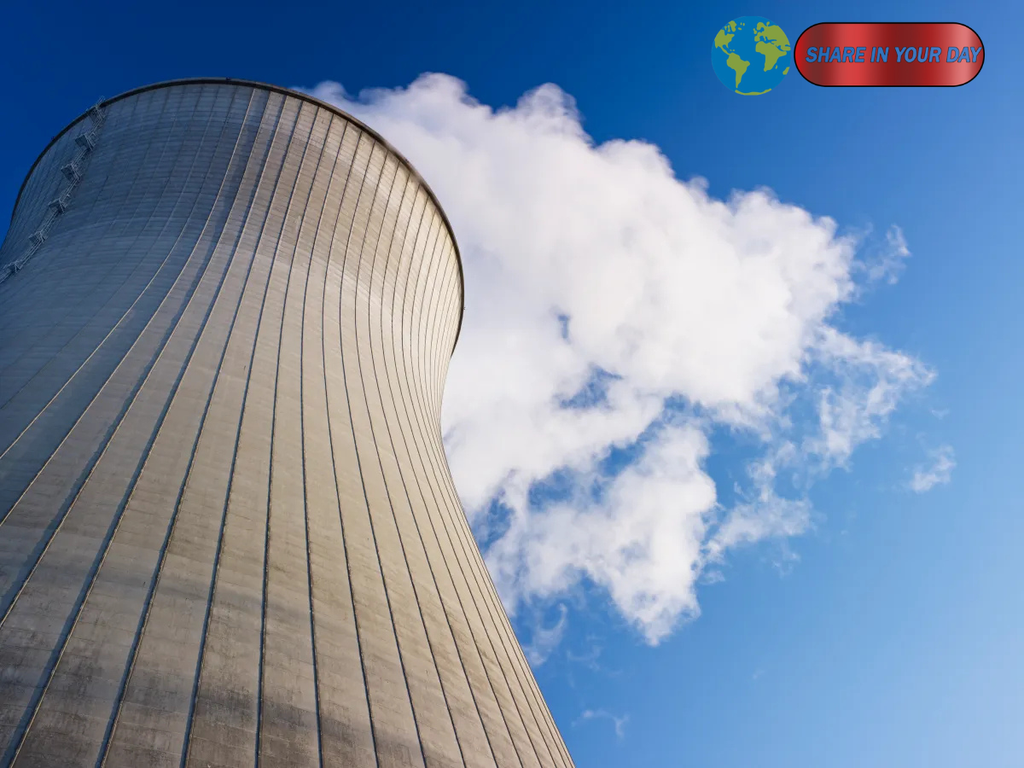
The development highlights a growing relationship between artificial intelligence and nuclear energy. As technology companies build increasingly power-hungry data centers, reliable electricity has become a critical part of their expansion plans.
The Duane Arnold project is being led by NextEra Energy, while Google has committed to purchasing power from the facility under a long-term agreement. The plant is expected to produce 615 megawatts of electricity once it returns to operation. T
Google Nuclear Power Plant Project Moves Forward
The U.S. Department of Energy announced the financial close on September 8, 2026. The loan will help NextEra Energy finance the refurbishment and restart of the Duane Arnold Energy Center in Linn County, Iowa.
The DOE described the facility as Iowa’s only nuclear power plant. Once operational, it is expected to provide 615 MW of reliable baseload electricity to the regional grid.
According to the department, that output could provide enough electricity to power nearly 500,000 homes. The project is also expected to create nearly 1,500 jobs during construction and refurbishment, while supporting more than 450 jobs during operations.
The financing is significant because restarting an existing nuclear facility can potentially bring generating capacity online faster than building an entirely new reactor.
That makes the project particularly relevant at a time when electricity demand is rising rapidly across the United States.
Why Google Is Turning to Nuclear Energy
Google’s interest in the Iowa nuclear facility is closely connected to the enormous electricity requirements of cloud computing and artificial intelligence.
AI data centers require large amounts of electricity around the clock. Unlike some conventional computing workloads, AI infrastructure can operate continuously and requires dependable power supplies.
Nuclear energy offers a different profile from intermittent renewable sources because nuclear reactors can provide steady electricity regardless of whether the sun is shining or the wind is blowing.
Google and NextEra announced their collaboration in October 2025. Under the agreement, Google would purchase power from the 615 MW Duane Arnold facility for 25 years.
The arrangement is designed to provide Google with a long-term source of carbon-free electricity while allowing NextEra to invest in bringing the reactor back into service.
For Google, the project is therefore about more than restarting an old power plant. It is part of a broader effort to secure enough electricity to support the company’s expanding cloud and AI infrastructure.
Duane Arnold Nuclear Plant Could Return in 2029
The Duane Arnold Energy Center stopped generating electricity in 2020.
The plant’s planned comeback represents a dramatic reversal. Instead of constructing a completely new nuclear facility, NextEra is working to recommission an existing reactor and upgrade the facility.
The target is to have the plant operating by the first quarter of 2029. However, that schedule depends on receiving the necessary approvals from the U.S. Nuclear Regulatory Commission.
The NRC approval process remains an important milestone because a nuclear reactor cannot simply resume commercial operations after years offline.
Federal officials and NextEra have emphasized that safety and regulatory requirements must be satisfied before the plant returns to service.
Once restarted, Duane Arnold is expected to supply 615 MW of electricity.
NextEra says the recommissioned plant will contribute reliable generation to the regional power system while helping meet rising electricity demand.
$1.9 Billion Loan Signals Nuclear Comeback
The federal financing also sends a broader signal about the changing economics of nuclear power in the United States.
For years, the American electricity sector faced relatively modest demand growth. During that period, some nuclear facilities became less attractive economically, particularly as natural gas prices remained competitive and renewable energy expanded.
The situation is changing.
The growth of AI data centers, cloud computing, manufacturing and electrification is increasing pressure on electricity supplies. Utilities and technology companies are therefore looking for power sources that can operate continuously and deliver large quantities of electricity.
The federal government has increasingly supported efforts to preserve or restore nuclear generation.
The Duane Arnold loan follows other efforts to restart closed reactors. The DOE said the financing makes Duane Arnold the third nuclear plant restart it has financed under the current Department of Energy’s Energy.gov
The trend suggests that existing nuclear facilities could become increasingly valuable as electricity demand rises.
Google Is Not Alone in Nuclear Power Push
Google’s Iowa project is part of a much larger technology-industry movement toward nuclear energy.
Other major technology companies have also entered agreements involving nuclear generation.
Microsoft, for example, has partnered with Constellation Energy on plans to restart a reactor at Three Mile Island in Pennsylvania. That reactor is expected to produce 835 MW if the project proceeds as planned.
Meta has also pursued nuclear-related energy arrangements as it seeks to support the enormous electricity requirements of its data center expansion.
These deals reflect a common problem facing the technology sector: AI infrastructure can be deployed relatively quickly, but new power infrastructure often takes years to develop.
Existing nuclear facilities can offer one potential solution.
Instead of waiting for a new reactor to be designed, permitted and constructed from scratch, companies can work with utilities to restore facilities that already have substantial infrastructure.
The Duane Arnold Plant Is Getting a Power Boost
The original Duane Arnold facility was designed to produce about 601 MW.
As part of the refurbishment, NextEra expects the plant’s capacity to increase to 615 MW.
That additional capacity may appear relatively small compared with the electricity requirements of the largest AI facilities. However, every additional megawatt can become strategically important as utilities struggle to balance rapidly growing demand.
The project also demonstrates how older nuclear facilities can potentially be upgraded rather than permanently retired.
NextEra has said the plant will provide 615 MW of carbon-free electricity and support the region’s growing energy requirements.
Economic Benefits for Iowa
The Google nuclear power plant project could also have a significant economic impact beyond electricity generation.
NextEra has estimated that the Duane Arnold restart could deliver more than $9 billion in economic benefits to Iowa over a 25-year operating period.
The company has also projected approximately 400 long-term jobs associated with plant operations, in addition to the larger number of construction and refurbishment positions.
The U.S. Department of Energy estimates that the project will support approximately 1,500 American jobs during construction and refurbishment and more than 450 jobs during operations. of Energy’s Energy.gov+1
Those figures make the project important not only as an energy investment but also as an industrial development project.
The restart could increase local economic activity, provide additional tax revenue and strengthen the surrounding electricity infrastructure.
What the $1.9 Billion Loan Means for AI
The connection between nuclear power and artificial intelligence is becoming increasingly difficult to ignore.
Training and operating advanced AI systems requires enormous computing infrastructure. Data centers need electricity not only for servers but also for cooling, networking and other supporting systems.
As AI adoption grows, technology companies need to secure power for facilities that may operate continuously.
This creates a fundamental infrastructure challenge.
A company can build a data center relatively quickly compared with the time required to construct a new nuclear reactor. That mismatch has encouraged technology companies to pursue long-term electricity contracts with existing generators.
The Google-NextEra agreement provides an example of that strategy.
Rather than waiting for an entirely new nuclear project, Google is supporting the revival of an existing facility that can potentially deliver substantial amounts of electricity once regulatory requirements are met.
Nuclear Power Could Become a Strategic AI Resource
The renewed interest in nuclear energy is not limited to Google.
Several technology companies are now examining nuclear generation as part of their long-term energy strategies.
Google itself has also pursued advanced nuclear technology separately from the Iowa project. The company has an agreement with Kairos Power involving a planned fleet of advanced reactors capable of delivering up to 500 MW of carbon-free electricity by 2035.
That distinction is important.
The Duane Arnold project involves restarting an existing nuclear plant. The Kairos partnership focuses on a newer generation of advanced reactor technology.
Together, the two approaches show how technology companies are exploring both existing and emerging nuclear technologies.
The Biggest Challenge Is Still Regulation
Despite the financial milestone, the Google nuclear power plant project is not yet complete.
The Duane Arnold facility still needs the required regulatory approvals before it can resume commercial operations.
Nuclear facilities are subject to extensive safety requirements. The fact that a reactor previously operated successfully does not eliminate the need for regulatory review after a prolonged shutdown.
The target remains the first quarter of 2029.
If the project stays on schedule and receives the necessary approvals, Iowa could once again have a large nuclear facility contributing electricity to the regional grid.
Why the Project Matters Beyond Iowa
The significance of Duane Arnold extends well beyond the state of Iowa.
The United States is entering a period of rapidly changing electricity demand. AI data centers are one driver, but electrification, industrial development and manufacturing are also increasing pressure on power systems.
That makes existing nuclear plants increasingly attractive.
The Duane Arnold model could potentially be repeated elsewhere if other retired reactors can be safely and economically restored.
However, not every closed nuclear facility will be a suitable candidate. Some plants have been offline for much longer periods, while others may require extensive investment or face regulatory and technical obstacles.
Still, the Iowa project could become an important test case for the broader nuclear restart movement.
A New Energy Strategy for Big Tech
The $1.9 billion federal loan illustrates a major shift in the relationship between technology companies and energy providers.
For decades, technology companies generally viewed electricity as an operating expense. Today, electricity availability can determine where a data center is built and how quickly an AI business can expand.
Google’s agreement with NextEra reflects that change.
The company is effectively securing access to long-term nuclear generation while NextEra gains a major customer capable of supporting the economics of restarting a retired reactor.
That model could become increasingly common as AI electricity demand continues to grow.
What Happens Next?
The immediate focus will be on the refurbishment of the Duane Arnold Energy Center and the regulatory process required for its restart.
If the project remains on schedule, the 615 MW facility could return to the grid by early 2029.
The DOE loan provides significant financial support, while Google’s 25-year power purchase agreement gives the project a long-term commercial foundation.
For Iowa, the restart could mean additional electricity, jobs and economic activity.
For Google, it represents another step toward securing dependable electricity for an expanding AI and cloud infrastructure footprint.
For the wider U.S. energy sector, it could demonstrate whether retired nuclear facilities can become an important source of new electricity without requiring the construction of entirely new plants.
The bigger story is therefore not simply that Google is backing a nuclear plant.
It is that the rapid expansion of AI is changing the economics of electricity — and pushing some of the world’s largest technology companies directly into the energy business.
With a $1.9 billion federal loan, a 615 MW reactor, a 25-year Google agreement and a target restart date in 2029, the Duane Arnold project has become one of the clearest examples yet of the growing connection between nuclear power and America’s AI economy.