Oil Prices Surge as US-Iran Talks Collapse: Global Markets React
Oil prices surge once again as diplomatic efforts between the United States and Iran hit a major roadblock, triggering renewed fears over global energy supplies and economic stability. The latest developments have sent shockwaves through international markets, with analysts warning that prolonged tensions could push prices even higher in the coming weeks.
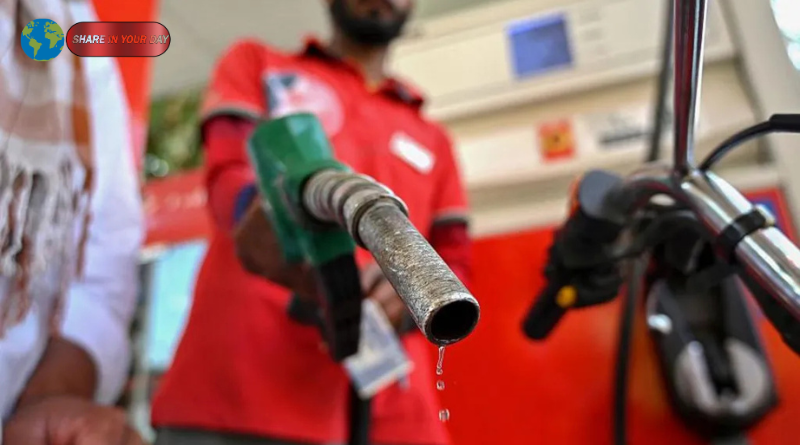
According to recent reports, crude oil prices jumped significantly in Asian markets after negotiations between Washington and Tehran stalled. The failure to move forward with talks has intensified concerns about disruptions in one of the world’s most critical oil supply routes.
Why Oil Prices Are Rising Rapidly
The sharp increase in oil prices did not happen in isolation. Instead, it is the result of multiple converging factors that have created a perfect storm in the global energy market.
1. Breakdown of US-Iran Talks
The most immediate trigger behind the oil prices surge is the collapse of planned negotiations between the United States and Iran. Diplomatic talks, which were expected to ease tensions, were reportedly canceled at the last minute.
This decision has raised fears that the conflict could escalate further, reducing the chances of stabilizing oil supply chains anytime soon.
2. Strait of Hormuz Disruption
One of the most critical concerns is the situation in the Strait of Hormuz, a narrow waterway through which a significant portion of the world’s oil supply passes.
The region has effectively become a flashpoint, with threats of attacks on shipping routes causing major disruptions.
Any instability in this area has immediate global consequences, as even minor interruptions can drastically impact supply and prices.
3. Ongoing Military Tensions
The broader geopolitical conflict involving Iran has added another layer of uncertainty. Military actions and retaliatory threats have created an environment where oil supply is no longer guaranteed.
As tensions escalate, traders and investors are reacting quickly, driving prices upward in anticipation of potential shortages.
4. Market Speculation and Panic Buying
Financial markets are highly sensitive to geopolitical risks. When uncertainty rises, traders often respond by buying oil futures aggressively, pushing prices higher.
This speculative behavior amplifies the impact of real-world events, turning moderate supply concerns into significant price spikes.
5. Global Supply Chain Pressure
Beyond the immediate conflict, global energy systems are already under strain. The disruption caused by geopolitical instability compounds existing supply challenges, making it harder for markets to absorb shocks.
Immediate Impact on Global Economy
The oil prices surge is not just a concern for energy markets—it has far-reaching implications for the global economy.
Rising Fuel Costs
Higher oil prices directly translate into increased fuel costs. Consumers worldwide may soon feel the impact through higher gasoline and transportation prices.
This effect is especially significant in countries heavily dependent on imported energy.
Inflation Concerns
Energy costs play a crucial role in inflation. When oil prices rise, the cost of goods and services often follows.
Economists warn that sustained increases could put additional pressure on central banks, forcing them to reconsider monetary policies.
Impact on Agriculture and Industry
Oil is a key component in many industries, including agriculture. Fertilizer production and transportation rely heavily on energy inputs.
With rising costs, farmers and manufacturers may face increased expenses, potentially leading to higher food prices and reduced production margins.
How Markets Are Responding
Financial markets have reacted swiftly to the news. Oil benchmarks have climbed, reflecting growing concerns about supply disruptions.
Investors are closely monitoring the situation, with many shifting their portfolios toward energy assets as a hedge against volatility.
Meanwhile, stock markets in some regions have shown signs of instability, highlighting the interconnected nature of global economic systems.
What Happens Next?
The future of oil prices largely depends on how the geopolitical situation evolves. Several scenarios are possible:
Scenario 1: Diplomatic Breakthrough
If negotiations resume and progress is made, oil prices could stabilize or even decline. However, this outcome currently appears uncertain.
Scenario 2: Prolonged Conflict
A continued stalemate or escalation in tensions could keep oil prices elevated for an extended period.
This scenario poses significant risks to global economic growth.
Scenario 3: Supply Adjustments
Other oil-producing nations may attempt to increase output to offset disruptions. While this could provide some relief, it may not fully compensate for losses in critical regions.
Why This Matters More Than Ever
The current oil prices surge highlights the fragile nature of global energy systems. In an interconnected world, regional conflicts can have immediate and widespread consequences.
The situation also underscores the importance of energy diversification and the transition to alternative sources.
Countries that rely heavily on oil imports are particularly vulnerable, making long-term energy strategies more critical than ever.
Expert Insights
Analysts emphasize that the market reaction is driven as much by uncertainty as by actual supply disruptions.
Even the perception of risk can lead to significant price movements, especially in a market as sensitive as oil.
Experts also note that the Strait of Hormuz remains one of the most strategically important chokepoints in global trade, making it a key factor in any future developments.
Conclusion: A Critical Moment for Global Energy
The latest oil prices surge serves as a stark reminder of how geopolitical tensions can ripple across the global economy.
With US-Iran talks stalled and supply routes under threat, the world faces a period of heightened uncertainty.
While the situation could still evolve in multiple directions, one thing is clear: energy markets will remain highly volatile in the near term.
For businesses, policymakers, and consumers alike, staying informed and prepared will be essential as events continue to unfold.