Porsche Mission S: 7 Stunning Details Revealed
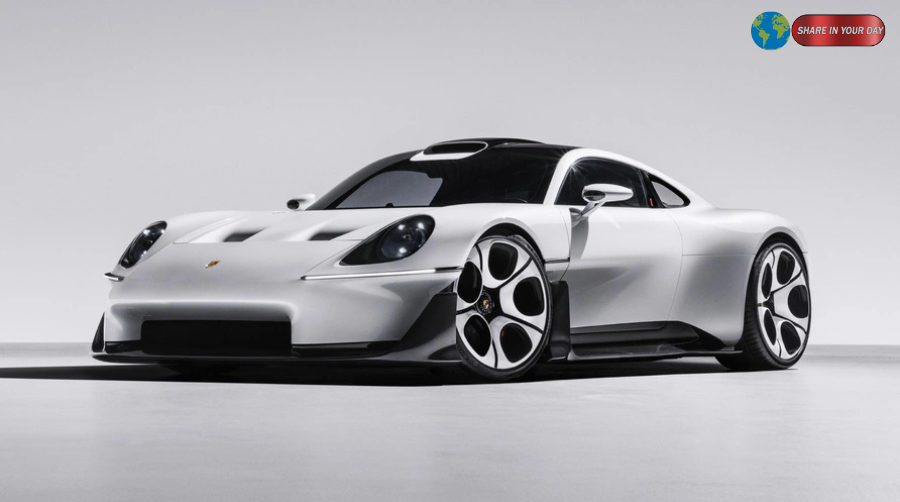
The Porsche Mission S signals an ambitious new chapter for the German sports car manufacturer. Unveiled in New York on October 15, 2026, the striking mid-engined supercar concept previews a future model that Porsche intends to position above the iconic 911. Rather than serving as a limited-production hypercar, the planned vehicle is expected to become a permanent addition to the company’s sports car lineup.
The concept combines familiar Porsche styling with an aggressive mid-engine layout, a distinctive roof scoop and a cockpit designed around the driver. Its appearance draws inspiration from historic models, including the 550 Spyder, 959, 917, GT1 and 928. At the same time, the car introduces design elements intended to influence Porsche’s future vehicles.
The announcement arrives as Porsche works to strengthen its product strategy and focus on more exclusive, high-value models. The Mission S offers a glimpse of how the company plans to balance its motorsport heritage with the changing expectations of modern performance-car buyers.
Although the concept has attracted attention for its dramatic appearance, important technical details remain unconfirmed. Porsche has not yet published final production specifications, engine output, acceleration figures or an official price.
Here are seven important details that explain why the Porsche Mission S deserves attention.
1. Porsche Mission S Will Sit Above the Iconic 911
The most important detail about the Porsche Mission S is its intended position within the company’s lineup.
Porsche has confirmed that it is developing a mid-engined super sports car platform designed to sit above the 911. The planned vehicle is intended to remain available as a regular part of the company’s portfolio rather than being restricted to a small, limited-edition production run.
That distinction matters. Porsche has previously produced exceptional high-performance vehicles, including the Carrera GT and 918 Spyder, which occupy special places in the company’s history. However, the Mission S points toward a different approach: establishing a dedicated flagship sports car offering with a longer-term role in the lineup.
The 911 will remain an essential part of Porsche’s identity. Its rear-engine configuration, everyday usability and racing heritage have helped make it one of the world’s most recognizable sports cars.
The Mission S is not being presented as a direct replacement for the 911. Instead, it is intended to occupy a higher position, giving Porsche another way to attract customers seeking a more specialized performance vehicle.
A dedicated mid-engine platform could also give the company greater flexibility when developing future derivatives. Porsche has not announced a complete model family or specific variants, but the platform’s strategic importance suggests the project extends beyond a single design exercise.
For enthusiasts, this creates an intriguing possibility: a new flagship that combines Porsche’s established engineering philosophy with the proportions and balance associated with a mid-engined supercar.
2. The Exterior Blends Classic Porsche Design With Modern Aggression
The Porsche Mission S is designed to look unmistakably like a Porsche while introducing a more dramatic silhouette.
Its front end features familiar headlight proportions, a sculpted bonnet and distinctive front bodywork. Porsche’s design team has incorporated traditional styling references without simply reproducing the appearance of an older model.
The front wings, which Porsche describes as having a torpedo-like form, help establish the car’s low, purposeful stance. Meanwhile, the clean front bumper and carefully integrated lighting give the concept a modern appearance.
Along the sides, the bodywork becomes more dramatic. Pronounced aerodynamic surfaces and wide rear haunches emphasize the mid-engined layout, while the roofline flows smoothly toward the rear of the vehicle.
A large roof scoop is one of the concept’s most recognizable features. It reinforces the impression that the engine sits behind the passenger compartment and creates a strong visual connection with racing-inspired machinery.
The rear section incorporates an integrated active wing, combining aerodynamic functionality with the overall shape of the car.
Porsche design chief Tobias Sühlmann has described the Mission S as part of a forward-looking design strategy intended to shape the brand’s future product portfolio.
The result is a concept that looks familiar without feeling conservative. It draws on decades of Porsche history but presents those influences through a contemporary supercar design.
3. The Mission S Pays Tribute to Five Porsche Legends
One of the most interesting aspects of the Porsche Mission S is the number of historic vehicles reflected in its design.
Rather than relying on a single source of inspiration, Porsche has brought together elements associated with several important models.
The 550 Spyder
The 550 Spyder is particularly important to the Mission S story. Porsche unveiled its new concept on a pier in Queens, New York, the same location associated with photographs of the 550 Spyder during its 1953 introduction.
That choice was deliberate. The original 550 Spyder helped establish Porsche’s reputation in the United States and became a significant part of the company’s early sports car identity.
The Mission S launch location therefore connects the company’s history with its future ambitions.
The Porsche 959
The 959 provides inspiration for the Mission S’s flowing roofline and rear proportions. The classic 959 was known for combining advanced engineering with high performance, making it an important reference for a new flagship.
The Porsche 917
The Mission S features a central rear cooling element reminiscent of the radiator-fan arrangement associated with the legendary 917 endurance racer.
The 917 remains one of Porsche’s most important motorsport icons. Its influence gives the concept a visual connection to the company’s racing heritage.
The Porsche 928
The concept’s wheel design draws inspiration from the distinctive dial-style wheels associated with the 928.
This reference demonstrates how Porsche can reinterpret historical details rather than simply copying complete designs from previous generations.
The Porsche GT1 and 911
The GT1 provides inspiration for the concept’s flat front-end treatment, while the 911 contributes familiar design cues that help preserve the brand’s identity.
Together, these references create a visual bridge between Porsche’s past and its developing sports car strategy.
4. Porsche Has Not Confirmed the Mission S Engine Specifications
Despite the dramatic exterior, the powertrain remains one of the biggest unanswered questions surrounding the Porsche Mission S.
Porsche has not released official production-engine specifications, horsepower figures, torque numbers or performance targets. Enthusiasts will therefore have to wait for more information before comparing the planned car directly with established supercars.
However, the project clearly emphasizes a mid-engined architecture. That arrangement places the engine behind the passenger compartment and ahead of the rear axle, a configuration commonly associated with high-performance sports cars.
A mid-engine layout can help engineers manage weight distribution and vehicle balance. It also allows designers to develop the low cabin, sculpted side sections and prominent rear bodywork seen on the Mission S.
Speculation about the engine has included the possibility of a flat-six or a larger flat-eight configuration. Those possibilities remain unconfirmed, and they should not be mistaken for announced production specifications.
Porsche has also discussed the flexibility of the platform under development. Reporting on the company’s plans indicates that the architecture is intended to accommodate different powertrain possibilities, including combustion and electrified configurations.
The precise production strategy has not been finalized publicly. Consequently, the concept’s appearance should not be treated as proof of a particular engine layout beyond the confirmed mid-engined architecture.
This uncertainty is part of what makes the project interesting. The Mission S previews the shape and direction of a future flagship while leaving Porsche room to develop the engineering package.
Until official specifications arrive, claims about top speed, acceleration, horsepower or hybrid technology should be approached cautiously.
5. The Interior Prioritizes Driving Over Large Touchscreens
The Porsche Mission S interior follows a philosophy that places the driver at the center of the experience.
Modern luxury and performance vehicles increasingly rely on large digital displays. The Mission S takes a more restrained approach, combining digital technology with physical controls and traditional instruments.
The steering-wheel area features an analogue-style rev counter as a central visual element. Additional digital displays provide supporting information, with their presentation designed to adapt to the selected driving mode.
This arrangement reflects Porsche’s effort to preserve the sense of direct interaction associated with sports cars while retaining the flexibility of modern electronics.
The cabin also avoids a permanently installed central infotainment touchscreen. Instead, the concept features a retractable smartphone holder that can integrate with the My Porsche app for navigation and other infotainment functions.
The approach reduces the prominence of large screens and allows the driver to focus more directly on the road.
Physical switches and rotary-style controls also feature in the cabin design. These elements provide tactile interaction, helping distinguish important functions from the software menus found in many contemporary vehicles.
The seats and cockpit layout emphasize a low seating position, creating the impression that the driver sits deep within the car.
Of course, the final production interior may differ from the concept. Manufacturers often refine materials, controls and technology before a vehicle reaches customers.
Nevertheless, the Mission S offers a clear indication that Porsche wants the driving experience to remain central to its future sports car design.
6. The Mission S Could Become a Major Part of Porsche’s Future Strategy
The unveiling of the Porsche Mission S is about more than a new supercar design.
Porsche has been reassessing its product strategy amid changing market conditions, pressure on profitability and uneven demand across parts of the electric vehicle market.
A new flagship sports car gives the company an opportunity to strengthen its high-performance identity while pursuing customers interested in exclusive engineering and distinctive design.
The Mission S is associated with Porsche’s broader Sportwagenschmiede ’35 strategic direction. The company has described the concept as a preview of an evolved design identity and a new mid-engined sports car platform.
This strategy places particular emphasis on design consistency, engineering flexibility and the emotional connection between the driver and the vehicle.
A permanent flagship could also help Porsche develop a recognizable position above the 911 without relying entirely on occasional special editions.
However, the commercial success of the project will depend on factors that have yet to be disclosed. Pricing, production capacity, market availability, performance and the final powertrain will all influence how potential customers respond.
The supercar segment is highly competitive. Porsche will need to offer compelling engineering and a distinctive driving experience to justify placing a new model above its established sports car.
The Mission S concept suggests the company is preparing carefully for that challenge, but its ultimate impact will only become clear as development progresses.
7. When Could the Porsche Mission S Reach Production?
Porsche has confirmed that the Mission S previews a future mid-engined super sports car platform. However, the company has not announced a definitive production launch date, final specifications or official pricing.
Industry reporting has suggested that a production version could be revealed around 2028. That remains an expectation rather than a confirmed launch schedule.
The final vehicle will need to move beyond the design concept, with Porsche completing the engineering, testing and development required for a production model.
The company will also need to determine the final powertrain configuration and the technologies that will be offered to customers.
Pricing is similarly uncertain. Some reports have suggested a potential starting price above £500,000, but Porsche has not confirmed that figure. It should therefore be treated as speculation rather than an official price.
The Mission S is intended to become a permanent part of Porsche’s lineup, but details about production volumes, regional availability and customer deliveries remain unknown.
For buyers interested in the project, the most reliable approach is to monitor official Porsche announcements rather than relying on early estimates.
The concept provides a strong indication of the company’s design direction. The production model, however, will determine whether Porsche can translate that vision into a commercially successful flagship.
How the Porsche Mission S Compares With the 911
The Porsche Mission S and the 911 represent different approaches to the sports car experience.
The 911 is defined by its rear-engine layout and decades of continuous development. It combines performance with a broad range of configurations, from everyday sports cars to highly focused track-oriented models.
The Mission S, by contrast, is being developed around a mid-engined platform and is intended to sit above the 911 in Porsche’s lineup.
That distinction could give the new model different proportions, packaging and driving characteristics. However, Porsche has not published enough production specifications to support a detailed performance comparison.
The two vehicles are therefore better understood as complementary products rather than direct substitutes.
For Porsche, the opportunity is to preserve the 911’s established position while introducing a new flagship for customers seeking a more specialized sports car.
Final Verdict: A Bold New Chapter for Porsche
The Porsche Mission S is one of the most significant design announcements in the company’s recent sports car development.
Its mid-engined architecture, dramatic proportions and references to historic Porsche models create a compelling preview of a future flagship. The driver-focused cabin also suggests that the company wants to preserve the tactile qualities that have long distinguished its sports cars.
More importantly, Porsche intends the project to become a permanent addition to its lineup rather than a one-off hypercar. That makes the Mission S a strategic step, not simply an exercise in concept-car styling.
Important questions remain unanswered, particularly regarding the final engine, power output, production date and price. Those details will determine how the finished vehicle competes in the supercar market.
For now, the Mission S offers a clear message: Porsche is exploring a new level of performance-car exclusivity while drawing heavily on its engineering heritage.
If the production model delivers on the concept’s design and driving ambitions, it could become an important addition to the brand’s future sports car family.