Roundup Cancer Case: 5 Key Supreme Court Shocks
The Roundup cancer case has reached a critical moment as the U.S. Supreme Court weighs a decision that could reshape product liability law, pesticide regulation, and consumer rights across the United States.
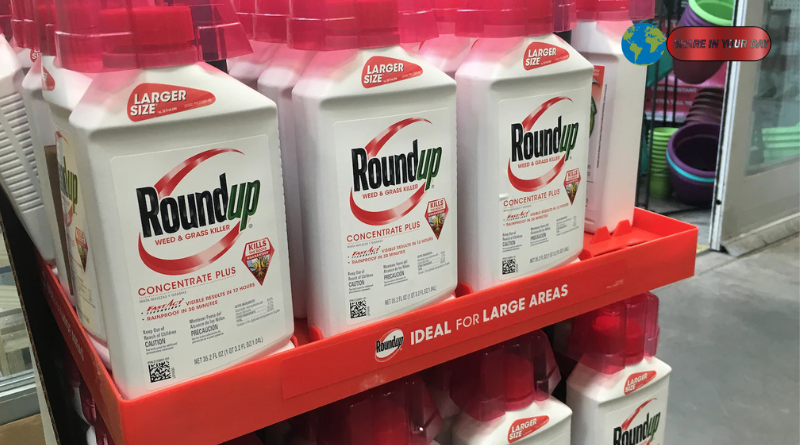
At the center of the legal battle is whether manufacturers must warn consumers about potential cancer risks linked to glyphosate, the active ingredient in Roundup weed killer. The outcome could influence thousands of lawsuits and determine how federal and state laws interact in regulating chemical products.
A Legal Fight Years in the Making
The Roundup cancer case stems from years of litigation against Monsanto, now owned by Bayer. Plaintiffs allege that exposure to glyphosate caused cancers such as non-Hodgkin lymphoma.
Since 2015, when a World Health Organization–affiliated agency classified glyphosate as “probably carcinogenic,” thousands of lawsuits have been filed. Meanwhile, the Environmental Protection Agency has consistently maintained that glyphosate is unlikely to cause cancer.
This scientific divide has fueled a wave of legal challenges. Bayer has already paid billions of dollars in settlements, but tens of thousands of cases remain unresolved.
The Core Question: Who Controls Warning Labels?
At the heart of the Roundup cancer case is a fundamental legal question:
Can federal law override state-level lawsuits demanding stronger warning labels?
Bayer argues that under the Federal Insecticide, Fungicide, and Rodenticide Act (FIFRA), pesticide labels approved by federal regulators should be the final authority. Therefore, states should not impose additional warning requirements.
However, plaintiffs argue that companies must still be held accountable if they fail to warn consumers about risks—especially when scientific understanding evolves.
During oral arguments, Supreme Court justices appeared divided. Some emphasized the need for national consistency in labeling, while others highlighted the importance of allowing lawsuits to uncover risks and hold corporations accountable.
Why This Case Matters Nationwide
The implications of the Roundup cancer case go far beyond a single product. A ruling in favor of Bayer could:
- Limit the ability of consumers to sue companies over product safety
- Strengthen federal authority over labeling laws
- Reduce legal risks for manufacturers
On the other hand, a ruling against Bayer could:
- Open the door to more lawsuits nationwide
- Force companies to update warnings more aggressively
- Increase corporate liability across multiple industries
Legal experts say the decision could redefine how courts handle conflicts between federal regulations and state consumer protection laws.
A $1.25 Million Case That Sparked It All
One of the central cases before the court involves a Missouri man who was awarded $1.25 million after claiming that long-term Roundup use caused his cancer.
The jury found that Monsanto failed to provide adequate warnings about potential risks. Bayer has challenged that verdict, arguing that it complied fully with federal regulations.
This single case has become a gateway to addressing thousands of similar claims nationwide, making it one of the most consequential product liability cases in recent history.
Farmers vs. Consumers: A Growing Divide
The Roundup cancer case has also exposed a deep divide between agricultural interests and consumer advocacy groups.
Organizations such as the American Farm Bureau Federation support Bayer’s position. They argue that glyphosate is essential for modern farming and that inconsistent regulations could disrupt food production.
Meanwhile, environmental and health groups insist that consumers have the right to know about potential risks. They argue that failure-to-warn lawsuits are often the only way to hold corporations accountable.
This tension reflects a broader debate about balancing economic efficiency with public health protections.
Public Pressure and Political Impact
The Roundup cancer case has also drawn political attention. Activists and advocacy groups have rallied outside the Supreme Court, calling for stricter regulations and greater transparency.
Public opinion appears to be shifting as well. Surveys show that a large majority of Americans are concerned about pesticide safety and oppose legal protections that shield companies from liability.
The case could influence upcoming elections, particularly among voters focused on health and environmental issues. It has also sparked debate within political movements that prioritize both agricultural productivity and public health.
Billions at Stake for Bayer
For Bayer, the stakes could not be higher. The company has already paid an estimated $11 billion in settlements related to Roundup claims and faces potential liabilities in the billions more.
Executives warn that continued litigation could threaten the availability of glyphosate-based products in the U.S. market. In extreme scenarios, Bayer has suggested it may withdraw Roundup from certain markets if legal risks become unmanageable.
Such a move would have ripple effects across agriculture, landscaping, and home gardening industries.
The Science Debate: Is Glyphosate Safe?
The Roundup cancer case highlights an ongoing scientific controversy.
On one side, regulatory agencies such as the EPA maintain that glyphosate is safe when used as directed. On the other, independent researchers and international bodies have raised concerns about potential cancer risks.
Critics argue that regulatory reviews may rely on outdated or incomplete data. Supporters of glyphosate point to decades of use and numerous studies supporting its safety.
This scientific uncertainty has made the legal battle even more complex, as courts must weigh conflicting evidence.
What Happens Next?
A final decision in the Roundup cancer case is expected by mid-2026.
The ruling could:
- Set a national precedent for labeling laws
- Influence future litigation across multiple industries
- Determine the balance of power between federal regulators and state courts
Regardless of the outcome, the case is likely to shape the legal and regulatory landscape for years to come.
Conclusion: A Defining Moment for Consumer Protection
The Roundup cancer case represents a pivotal moment in the intersection of science, law, and public policy.
At its core, the case asks a fundamental question:
Should federal approval shield companies from liability, or should consumers retain the right to challenge potential risks in court?
The Supreme Court’s answer will not only determine the fate of thousands of lawsuits but also redefine how Americans understand product safety, corporate accountability, and consumer rights.
As the nation awaits the final ruling, one thing is clear—the impact of this decision will extend far beyond Roundup itself.