UN Finds Grounds to Believe US Was Behind Deadly Iran School Strike
A United Nations-backed investigation has found reasonable grounds to believe that US forces were responsible for two deadly military strikes in Iran earlier this year, including an attack on a primary school in the southern city of Minab that killed more than 150 people.
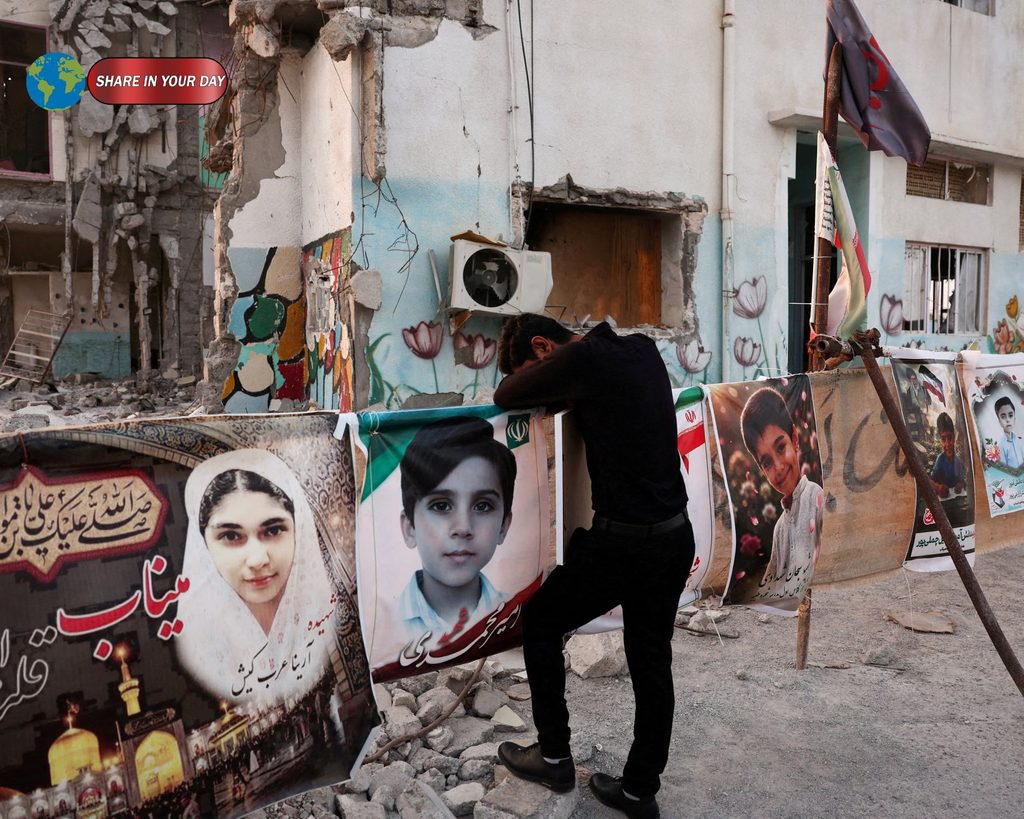
The Independent International Fact-Finding Mission on Iran said the February strikes appeared to have caused extensive civilian casualties and damage to civilian infrastructure. Investigators concluded that the attacks amounted to war crimes under international law.
The findings are contained in a report due to be submitted to the UN Human Rights Council in Geneva. The investigation examined both the conduct of the United States during the war with Iran and the Iranian government’s response to nationwide anti-government protests that began in late December.
The report also accused Iranian authorities of committing crimes against humanity during the crackdown on demonstrators, meaning the investigation raised serious allegations against both sides of the conflict.
Deadly Strike on Minab School
One of the central findings concerns the Shajareh Tayyebeh Primary School in Minab, where Iranian officials said more than 150 people were killed, including about 120 schoolchildren.
The attack took place on February 28, during the opening phase of the conflict between Iran and the United States and Israel. The school was located close to a naval complex associated with Iran’s Islamic Revolutionary Guard Corps, but UN investigators said they found no evidence that the school itself was being used for military purposes.
The investigators described the school as a clearly identifiable civilian facility.
According to the report, US forces failed to update important information in their targeting databases and did not adequately establish that the building represented a legitimate military objective before the strike was carried out.
The mission said the circumstances went beyond an ordinary targeting error. It concluded that US forces acted despite a substantial risk that the attack could hit a civilian structure.
That conclusion is significant because international humanitarian law requires military forces to distinguish between legitimate military targets and civilian objects and to take precautions to protect civilians.
Earlier reports from US media indicated that an internal military investigation had reached the preliminary conclusion that American forces were likely responsible for the Minab strike. The Pentagon has not publicly released the findings of its investigation.
US President Donald Trump has previously said that the school was not deliberately targeted and pointed to an ongoing investigation.
Questions Over Targeting Intelligence
The circumstances surrounding the Minab strike have focused attention on the intelligence and targeting information used by US forces.
The school stood near an Iranian military installation, creating a possible explanation for why the area was included in the targeting process. However, investigators said the school had been visibly separated from the military compound and showed clear signs that it was being used for education.
The UN mission said the available evidence did not establish that the school was being used for military purposes at the time of the attack.
The findings therefore raise questions about whether the information used to identify the target was sufficiently current and whether adequate checks were completed before the strike.
US officials have previously maintained that American military operations were conducted according to the law of armed conflict. Neither the US mission in Geneva nor Iran’s mission immediately responded to requests for comment on the latest findings, according to Reuters.
Second Strike in Lamerd
The UN investigation also examined a separate attack on a sports facility in Lamerd, another city in southern Iran.
Investigators said the strike damaged nearby residential buildings and a school and resulted in 22 civilian casualties. The mission concluded that the attack was indiscriminate and therefore constituted a war crime.
The circumstances of that incident remain disputed.
US Central Command said in March that American forces had not carried out strikes in Lamerd on the day in question. That position contrasts with the UN mission’s findings.
The investigation therefore adds another disputed episode to the broader controversy surrounding civilian casualties during the Iran conflict.
UN Investigation Also Accuses Iran
The report did not focus exclusively on US military actions.
UN investigators said Iranian security forces had carried out a widespread and systematic campaign against civilians during protests that began in late December. The alleged abuses included unlawful killings, torture, arbitrary detention, enforced disappearances and severe restrictions on freedom of expression.
The mission said the government’s response represented a major escalation in the suppression of dissent.
Iranian authorities have rejected allegations of systematic abuses and have blamed what they describe as terrorists and rioters supported by foreign adversaries and opposition groups abroad.
Official Iranian figures cited in the investigation reported more than 3,000 deaths and about 25,000 injuries during the unrest. However, the UN mission said it could not independently verify the figures and believed the actual number of people killed or injured could be considerably higher.
The investigators also highlighted the use of internet restrictions and capital punishment as part of the government’s response.
Civilian Toll Draws International Attention
The findings come months after the Minab school bombing became one of the most closely scrutinized incidents of the Iran conflict.
Earlier reporting indicated that a preliminary US military inquiry had pointed toward American responsibility for the strike, while the Trump administration had not publicly accepted responsibility. The Guardian previously reported that investigators were examining the possibility that outdated targeting information contributed to the attack.
The latest UN findings go further by applying the framework of international humanitarian law to the incident.
The investigation was conducted by an independent fact-finding body created by the UN Human Rights Council in 2022. The mission is chaired by Bangladeshi jurist Sara Hossain and relies on evidence including interviews and other material gathered during its investigation.
The report does not represent a criminal conviction or a ruling by an international court. Instead, it sets out the investigators’ assessment that there are reasonable grounds to believe violations of international law occurred.
For families of those killed in Minab, however, the findings add an important international record to an attack that has remained surrounded by competing claims about responsibility.
The report also underscores the broader danger faced by Iranian civilians during the conflict, with people caught between military operations conducted by foreign powers and severe government repression at home.
As the UN Human Rights Council considers the findings, attention is likely to remain focused on whether either government releases additional evidence or investigative findings concerning the attacks and whether further accountability measures follow.