Hormuz Crisis Timeline: 7 Shocking Trump-Iran Moves
The Hormuz crisis timeline has rapidly evolved into one of the most dangerous geopolitical flashpoints of 2026. What began as fragile negotiations between the United States and Iran has escalated into military posturing, tanker attacks, and a potential disruption of global oil supplies.
At the center of the crisis is the Strait of Hormuz—one of the world’s most critical shipping routes. Recent actions by both Iran and former U.S. President Donald Trump have intensified tensions, raising fears of a broader regional conflict.
This article breaks down the Hormuz crisis timeline into seven key events shaping the unfolding situation.
1. Early April 2026: Fragile Ceasefire and Ongoing Talks
The crisis traces back to early April, when the U.S. and Iran entered negotiations aimed at de-escalating conflict and addressing Tehran’s nuclear program.
A temporary ceasefire was established, alongside diplomatic efforts mediated by Pakistan. Discussions included proposals involving Iran’s uranium stockpile and potential financial agreements.
However, despite early optimism, tensions remained high beneath the surface.
2. April 12, 2026: U.S. Announces Naval Blockade
A major turning point in the Hormuz crisis timeline came when Donald Trump announced a naval blockade targeting Iran.
The blockade aimed to:
- Restrict Iranian oil exports
- Prevent maritime activity linked to Tehran
- Force concessions in negotiations
This aggressive move followed the collapse of peace talks and marked a significant escalation in U.S. strategy.
The decision immediately raised concerns among global powers about energy security and regional stability.
3. Mid-April 2026: Strait of Hormuz Reopens Briefly
In a surprising development, Iran announced that the Strait of Hormuz would reopen to commercial shipping during a temporary ceasefire.
Oil prices dropped sharply following the announcement, signaling relief in global markets.
However, this reopening came with conditions, and uncertainty remained about how long it would last.
4. April 17–18, 2026: Iran Re-Closes the Strait
The situation deteriorated quickly.
Iran reversed course and announced the closure of the Strait of Hormuz once again, citing the ongoing U.S. blockade as justification.
This move had immediate global implications:
- Shipping routes disrupted
- Oil market volatility increased
- Maritime security concerns escalated
The strait handles a significant portion of the world’s oil supply, making any disruption a major international issue.
5. April 18, 2026: Tankers Targeted and Fired Upon
Tensions escalated dramatically when Iranian forces reportedly fired on commercial vessels near the strait.
According to defense officials and maritime authorities:
- Multiple tankers were targeted
- Ships were forced to retreat
- International alarm intensified
These incidents marked one of the most dangerous moments in the Hormuz crisis timeline, signaling the risk of direct confrontation at sea.
Countries reliant on oil imports, including India and China, began closely monitoring the situation.
6. April 18, 2026: Trump Convenes White House Situation Room
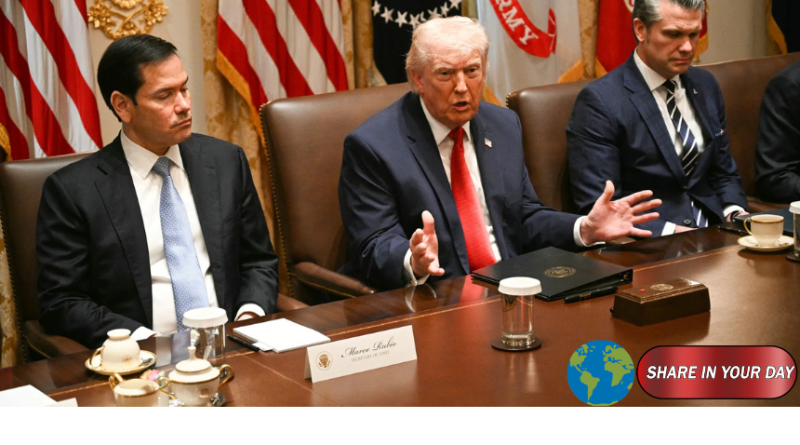
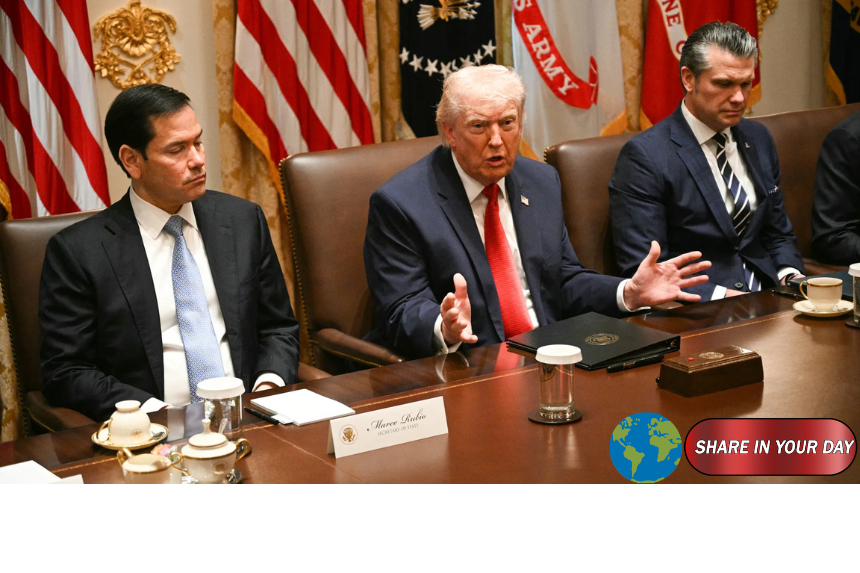
As the crisis deepened, Donald Trump convened a high-level meeting in the White House Situation Room.
Top officials in attendance included:
- Vice President JD Vance
- Secretary of State Marco Rubio
- Defense Secretary Pete Hegseth
The meeting focused on:
- Military options
- Diplomatic strategy
- The looming expiration of the ceasefire
According to officials, Trump strongly criticized Iran’s actions, stating the U.S. would not be “blackmailed” over the strait.
This signaled a firm stance and the possibility of further escalation.
7. Ongoing: Global Impact and Uncertain Future
The final stage of the current Hormuz crisis timeline is still unfolding.
Key concerns include:
Global Oil Supply
The Strait of Hormuz is responsible for transporting a large share of the world’s oil. Any prolonged disruption could:
- Spike energy prices
- Disrupt supply chains
- Trigger economic instability
Military Escalation Risks
With U.S. naval forces enforcing a blockade and Iran asserting control over the strait, the risk of direct conflict remains high.
Diplomatic Breakdown
Although negotiations continue, both sides have hardened positions:
- The U.S. demands stricter nuclear concessions
- Iran insists on lifting the blockade
The fragile ceasefire is set to expire soon, adding urgency to ongoing talks.
Why the Strait of Hormuz Matters
The Strait of Hormuz is not just a regional concern—it is a global lifeline.
Key facts:
- Connects the Persian Gulf to global markets
- Critical for oil exports from Gulf countries
- Any disruption affects worldwide energy prices
Because of its importance, even minor conflicts in the area can have outsized global consequences.
Key Questions Still Unanswered
Despite rapid developments, several critical questions remain:
Will the U.S. escalate militarily?
Trump has previously warned of potential strikes if Iran does not comply with demands.
Can diplomacy still succeed?
Mediators continue to push for a deal, but trust between both sides is low.
How long can the strait remain unstable?
Shipping disruptions could worsen if no agreement is reached soon.
Expert Analysis: A High-Stakes Standoff
Experts describe the situation as a classic high-stakes standoff.
On one hand:
- The U.S. seeks to pressure Iran economically and militarily
On the other:
- Iran is leveraging its geographic control of the strait
This dynamic creates a dangerous balance where miscalculation could lead to broader conflict.