The Mali attacks 2026 have sent shockwaves across West Africa after coordinated assaults struck the capital Bamako and several major cities. Armed groups linked to al-Qaeda carried out one of the largest and most complex offensives in the country in recent years, exposing deep security challenges in the Sahel region.
The attacks, which unfolded on April 25, involved multiple locations and highlighted the growing strength of militant alliances operating across Mali.
A Coordinated Nationwide Assault
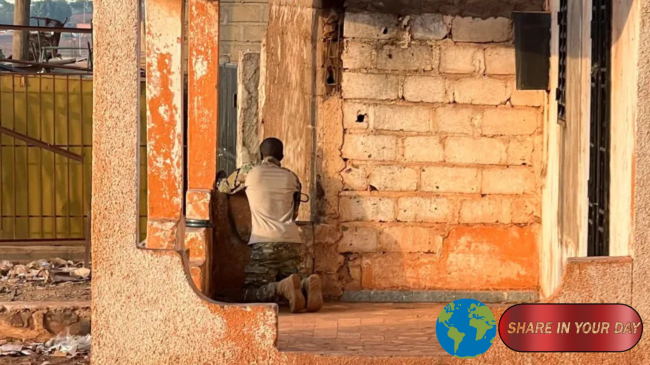
The Mali attacks 2026 were not isolated incidents. Instead, they formed part of a synchronized offensive targeting key military and strategic locations across the country.
Explosions and gunfire were reported in Bamako, Kati, Gao, Mopti, and Kidal.
Witnesses described scenes of chaos as militants launched simultaneous strikes on army bases, airports, and government facilities. The scale of the attacks has been described by analysts as unprecedented since the early years of Mali’s conflict.
Who Is Behind the Attacks?
Responsibility for the attacks was claimed by Jama’at Nusrat al-Islam wal-Muslimin (JNIM), an al-Qaeda-linked militant group operating in the Sahel.
In a significant development, JNIM reportedly coordinated with the Azawad Liberation Front (FLA), a Tuareg separatist movement.
This alliance is particularly concerning for security experts. It signals a shift toward cooperation between jihadist organizations and ethnic insurgent groups—something that could dramatically increase their operational capabilities.
Bamako: A Capital Under Fire
One of the most alarming aspects of the Mali attacks 2026 was the direct targeting of Bamako, the nation’s capital.
Gunfire and explosions were reported near key infrastructure, including military installations and the international airport.
For years, Bamako had remained relatively insulated from the worst violence seen in northern Mali. However, this attack demonstrates that militants now have the reach and coordination to strike at the heart of the country.
Casualties and Government Response
Initial reports indicate that at least 16 people were injured, though the full extent of casualties remains unclear.
The Malian government stated that security forces repelled the attacks and killed a large number of militants. Authorities also imposed curfews and launched sweeping security operations in affected areas.
Officials insisted that the situation was “under control,” but the scale and coordination of the assault have raised serious concerns about the government’s ability to maintain long-term stability.
Strategic Cities Targeted
Beyond Bamako, several strategically important locations were hit:
- Kati: Home to a major military base
- Gao: A key city in northern Mali
- Kidal: A historically contested stronghold
- Mopti and Sévaré: Central hubs critical for logistics
In some cases, rebel groups claimed temporary control over parts of these areas, although such claims have not been independently verified.
These coordinated strikes suggest a broader strategy aimed at weakening government control across multiple regions simultaneously.
A Turning Point in the Conflict?
The Mali attacks 2026 could represent a major turning point in the country’s long-running conflict.
Since 2012, Mali has faced persistent violence from extremist groups and separatist movements. However, the latest attacks demonstrate a new level of coordination and ambition.
Experts warn that such operations could reshape the security landscape in the Sahel, especially if alliances between militant and separatist groups continue to deepen.
The Role of International Forces
Mali’s security situation has become increasingly complex in recent years.
The country’s military government has shifted alliances, reducing Western involvement while strengthening ties with Russian-linked forces. Despite these changes, militant groups have continued to expand their reach.
The latest attacks highlight the limitations of current security strategies and raise questions about the effectiveness of foreign support in stabilizing the region.
Why This Matters Globally
The Mali attacks 2026 are not just a local issue—they have broader implications for global security.
The Sahel region has become a hotspot for extremist activity, with groups linked to al-Qaeda and ISIS exploiting weak governance and regional instability.
If left unchecked, these groups could extend their influence beyond West Africa, posing risks to international security and economic stability.
What Happens Next?
In the aftermath of the attacks, Mali faces several critical challenges:
- Restoring security in affected regions
- Preventing further militant coordination
- Strengthening intelligence and counterterrorism efforts
- Rebuilding public confidence in government institutions
The coming weeks will be crucial in determining whether Mali can contain the fallout or whether the situation will escalate further.
Conclusion
The Mali attacks 2026 mark one of the most significant escalations in the country’s ongoing conflict. With coordinated strikes hitting Bamako and multiple strategic cities, the attacks reveal a dangerous evolution in militant tactics and alliances.
As Mali grapples with the aftermath, the events serve as a stark reminder of the fragile security landscape in the Sahel—and the urgent need for effective, coordinated responses to prevent further instability.