Foldable iPhone Duo: 5 Key Facts Behind Its Sellout

Apple’s foldable iPhone Duo has attracted an unusually strong early response, with delivery estimates pushed into late January 2027 shortly after pre-orders opened. The development puts Apple’s first foldable smartphone in the spotlight as the company enters a market where rivals have already spent years refining folding-screen technology.
Pre-orders began on October 16, ahead of the device’s scheduled October 23 launch. However, customers attempting to order through Apple’s online store quickly encountered delivery estimates extending well beyond launch week. Apple acknowledged the response, describing pre-order demand as “nothing short of extraordinary,” while saying it was working to get the device into customers’ hands as quickly as possible.
The launch marks a significant change in Apple’s smartphone strategy. The company has traditionally introduced new designs gradually, relying on its established ecosystem and customer loyalty to support major product releases. With the foldable iPhone Duo, Apple is entering a premium category that combines smartphone portability with a larger display when the device is opened.
Here are five key facts about the launch, its pricing, the delivery delays and what the early response could mean for Apple’s position in the foldable smartphone market.
1. Foldable iPhone Duo Pre-Orders Sell Out Quickly
The most immediate development has been the rapid deterioration in delivery estimates after pre-orders opened.
Apple initially scheduled the first deliveries for October 23. Within minutes of the pre-order window opening on October 16, estimated shipping dates began moving beyond the launch date. Subsequent estimates extended through November and December, eventually reaching late January 2027.
The delays affected customers ordering through Apple’s online store, while US mobile carriers also reported longer waiting periods for new orders.
Apple said it would continue accepting online orders despite the extended delivery estimates. However, accepting orders does not necessarily mean customers will receive their devices within the original launch window.
The distinction matters because a product becoming unavailable for immediate delivery does not automatically establish how many units have been sold. Shipping estimates can reflect strong consumer interest, limited launch inventory, production constraints or a combination of these factors.
Apple has not released an official total for iPhone Duo pre-orders. Consequently, the early delays provide evidence of pressure on available supply, but they do not independently establish the device’s total sales volume.
For consumers, the immediate consequence is straightforward: customers who did not secure an early order may have to wait considerably longer than initially expected.
2. Apple’s First Foldable iPhone Starts at $1,999
Price is another defining feature of the foldable iPhone Duo.
The device starts at $1,999 in the United States for the 256GB configuration. Higher-storage versions cost more, with the top configuration reaching approximately $3,200.
That pricing places the phone firmly in the premium segment of the smartphone market. It also means Apple is asking customers to pay a substantial amount for a new form factor rather than simply upgrading to another conventional iPhone.
The price reflects the positioning of foldable devices as high-end products. Folding displays, hinge mechanisms and the engineering required to fit a larger screen into a compact device can add complexity compared with traditional smartphone designs.
However, manufacturing complexity alone does not establish whether the final price represents good value for individual buyers.
Potential customers will need to consider how often they would use the expanded display, whether the device improves their everyday workflow and whether those advantages justify the additional expense.
For existing iPhone owners, the decision may depend on how much they value the combination of portability and a larger viewing area. Customers who primarily use their phones for messaging, calls and social media may find a conventional model sufficient.
By contrast, people who regularly read documents, compare information, multitask or watch video may place greater value on the foldable design.
The early pre-order response suggests that the price has not prevented a significant number of customers from attempting to purchase the device. Nevertheless, its long-term commercial performance will depend on more than launch-week interest.
3. The Foldable iPhone Duo Represents a Major Design Shift
Apple’s entry into foldable smartphones is significant because it changes the way users can interact with an iPhone.
Traditional smartphones offer a fixed display size. A foldable device introduces a different approach by allowing the screen to expand when the phone is opened and return to a more compact form when closed.
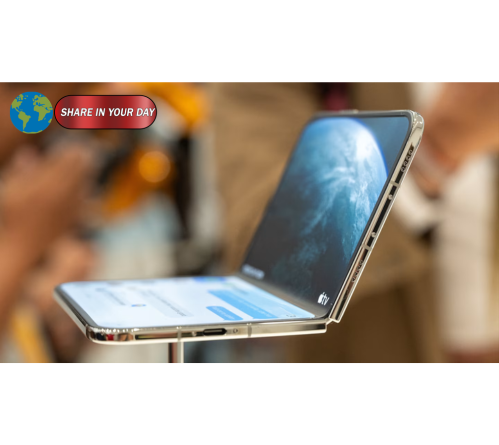
The iPhone Duo follows a book-style design, with an outer display for conventional smartphone tasks and a larger internal screen for activities that benefit from additional space.
This format can make certain everyday activities more convenient. Users may have more room to view documents, compare products, read lengthy articles or work with multiple applications.
A larger display can also improve the experience of watching video and viewing other visual content. Depending on software support, it may provide additional flexibility for multitasking and working across different windows.
However, the benefits depend on how effectively applications use the available screen area. A larger display does not automatically make every task faster or easier.
Software optimization will therefore be an important part of the product’s appeal. Apple will need to ensure that its operating system and applications make meaningful use of the expanded screen rather than simply displaying existing content across a larger surface.
Hardware durability will also matter. Folding phones rely on moving components and flexible display technology, creating different engineering requirements from conventional smartphones.
Customers will want to understand how the hinge performs over time, how well the inner screen resists everyday wear and how the device handles repeated opening and closing.
These factors will influence whether consumers view the foldable iPhone Duo as a practical everyday phone or an expensive product primarily suited to technology enthusiasts.
4. Supply Constraints Could Complicate Apple’s Launch
Strong demand is only one possible explanation for extended delivery times. Manufacturing capacity and component availability can also influence how quickly a company fulfils orders.
The wider consumer electronics industry has faced pressure from memory-chip shortages and rising component costs. These challenges can affect production planning, product availability and retail pricing across the smartphone market.
Apple’s foldable iPhone introduces additional manufacturing considerations because its design differs from conventional models.
Producing a folding smartphone at scale requires coordination across multiple components and manufacturing processes. The display, hinge, internal structure and other parts must work together within strict size, weight and reliability requirements.
A new product category can also present challenges when manufacturers expand production from initial batches to larger volumes.
Even when suppliers meet their technical requirements, increasing output without compromising quality can take time. If one component becomes a bottleneck, the final device may be difficult to assemble at the pace needed to meet customer orders.
These possibilities make it difficult to interpret delivery estimates in isolation.
Apple’s statement confirms that it is seeing strong pre-order demand, but it does not quantify the contribution of manufacturing limitations to the delays. The company has not publicly disclosed the total number of orders or provided a detailed breakdown of its available inventory.
Additional information about production, shipment volumes and retail availability will be necessary to assess the situation more precisely.
For Apple, the challenge is to convert early interest into completed deliveries while maintaining its expectations for product quality and customer experience.
5. Foldable iPhone Duo Faces an Established Competitive Market
Apple is entering a category that already has established competitors, including Samsung and Google.
These manufacturers have released multiple generations of foldable smartphones, allowing them to develop experience with hinge design, flexible displays, software adaptation and customer expectations.
Samsung, in particular, has helped establish the book-style foldable format through its Galaxy Z Fold range. Google’s Pixel Fold family also competes for consumers interested in a larger screen that can be carried in a pocket.
Apple’s position is different because it brings an established hardware and software ecosystem to a category where it is a newer entrant.
For existing Apple customers, familiarity with iOS, access to Apple’s services and integration with other devices may be important reasons to consider the foldable iPhone Duo.
However, brand recognition alone will not determine the product’s success. Customers will also compare price, camera performance, battery life, display quality, durability and software capabilities.
The $1,999 starting price creates a particularly high expectation for the overall experience. Buyers paying that much for a smartphone are likely to expect strong performance across the features they use most often.
Apple must also demonstrate that the foldable format offers meaningful advantages over its conventional premium iPhones.
If the larger display proves useful for everyday work and entertainment, the device could appeal to customers who previously had little reason to consider a foldable phone. If the advantages are limited for typical smartphone tasks, some consumers may prefer a less expensive traditional model.
The initial pre-order response is an encouraging signal for Apple’s launch, but it is not sufficient to establish whether the company will gain a lasting advantage over competitors.
What the Early Demand Means for Apple’s Smartphone Strategy
The foldable iPhone Duo arrives at a time when smartphone manufacturers are looking for ways to encourage consumers to replace older devices.
For many buyers, the improvements between successive conventional smartphones have become less dramatic than the changes associated with earlier generations. Better cameras, faster processors and software upgrades remain valuable, but they may not always provide a compelling reason to purchase a new device.
A foldable design offers a more visible change in how a smartphone can be used.
By combining a compact form with a larger screen, Apple can present the iPhone Duo as a different type of upgrade rather than simply another annual hardware refresh.
That strategy could be particularly relevant to customers who have kept their current devices for several years. A noticeably different design may give them a stronger reason to consider replacing a phone that still meets their basic needs.
Nevertheless, the device’s high price limits its potential audience. Consumers facing higher living costs or tighter household budgets may be reluctant to spend close to $2,000 on a smartphone, particularly when conventional alternatives remain widely available.
Apple must therefore balance innovation with practical value. A successful launch will require more than generating headlines or attracting early adopters. The company will need to demonstrate that the foldable format offers benefits substantial enough to justify the premium.
The holiday shopping period will provide an important test. Availability, customer reviews and the experience of early owners could influence whether interest expands beyond the initial group of buyers.
Will the Foldable iPhone Duo Remain in Short Supply?
The next phase of the launch will depend on how quickly Apple can fulfil existing orders and make additional inventory available.
Extended delivery estimates can generate attention, but they can also frustrate customers who want to purchase a product immediately. Some buyers may wait for their preferred configuration, while others could consider competing devices or choose a conventional iPhone instead.
Retail availability will be particularly important for customers who prefer to inspect a device before making a major purchase.
Apple has said it will continue accepting online orders and is working to accelerate deliveries. However, the company has not provided a confirmed date by which all configurations will return to shorter delivery windows.
The first shipments and subsequent availability updates should provide a clearer picture of how the launch develops.
Customer feedback will also help establish whether the foldable design delivers the durability, usability and convenience that buyers expect from a premium smartphone.
Ultimately, the difference between a strong opening and sustained commercial success will depend on how well Apple manages production, customer expectations and the device’s performance in everyday use.
Conclusion: A Strong Opening, With More to Prove
The foldable iPhone Duo has generated significant early interest, with pre-order delivery estimates extending into late January 2027 shortly after orders opened. Apple’s acknowledgement of extraordinary demand highlights the importance of the launch as the company enters the foldable smartphone category.
The device’s $1,999 starting price, book-style folding design and larger internal display position it as a premium alternative to conventional smartphones. At the same time, supply constraints, manufacturing complexity and competition from established foldable-phone makers present challenges.
The early response is notable, but it is too soon to determine the device’s long-term sales performance. Apple has not disclosed total pre-order numbers, and delayed shipping dates cannot independently establish the scale of demand.
The coming months will reveal whether the company can maintain consumer interest, improve availability and demonstrate that a foldable iPhone offers enough practical value to justify its price.
For now, the iPhone Duo represents an important test of Apple’s ability to introduce a new smartphone design while meeting the expectations of customers willing to pay a premium for it.