Xbox Game Pass Price Cut Revealed: 5 Big Changes
In a surprising shift that could reshape the gaming subscription landscape, Microsoft has announced a major Xbox Game Pass price cut, paired with a controversial decision to remove day-one access to new Call of Duty titles.
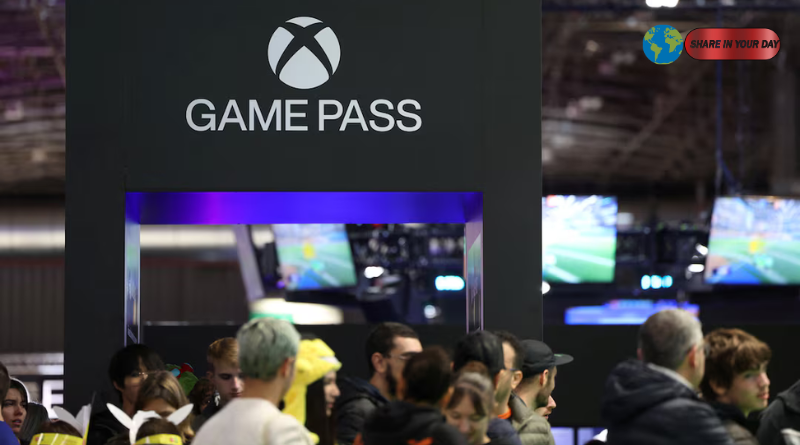
The move signals a significant change in strategy for one of the world’s most influential gaming platforms. While the lower pricing may attract new subscribers, the loss of immediate access to blockbuster games raises important questions about the future of subscription-based gaming.
A Major Price Drop for Xbox Game Pass
The most immediate and noticeable change is the pricing adjustment. Microsoft has reduced the cost of its flagship subscription tiers:
- Xbox Game Pass Ultimate drops from $29.99 to $22.99 per month
- PC Game Pass falls from $16.49 to $13.99 per month
This represents a reduction of more than 20%, marking a rare move in an industry where subscription prices typically trend upward.
The Xbox Game Pass price cut comes just months after a significant price increase in late 2025, which had sparked criticism from gamers who felt the service was becoming too expensive.
Call of Duty No Longer Available Day One
However, the price reduction comes with a major trade-off.
Microsoft confirmed that future titles from the hugely popular Call of Duty franchise will no longer be available on Game Pass at launch. Instead, these games will be added approximately one year after release.
This is a dramatic reversal of Microsoft’s earlier strategy, which relied heavily on blockbuster titles to drive subscriptions—especially after its $69 billion acquisition of Activision Blizzard.
Previously, offering Call of Duty on day one was seen as a key competitive advantage. Now, that advantage is being scaled back.
Why Microsoft Made This Decision
The decision reflects deeper challenges within Microsoft’s gaming business.
According to company leadership, the subscription model had become increasingly difficult to balance. Internal discussions revealed concerns that Game Pass pricing had risen too high for many players.
At the same time, including Call of Duty at launch reportedly reduced direct game sales, potentially costing the company hundreds of millions of dollars.
By delaying the availability of new titles, Microsoft aims to:
- Boost full-price game sales
- Maintain subscription value
- Address user concerns about pricing
This suggests a shift toward a more sustainable hybrid model rather than an all-inclusive subscription approach.
Leadership Changes Driving Strategy
The Xbox Game Pass price cut also comes amid leadership changes within Microsoft’s gaming division.
New gaming chief Asha Sharma has taken the reins following the departures of key executives, including Phil Spencer and Sarah Bond.
Sharma has openly acknowledged that Game Pass had become “too expensive,” signaling a willingness to rethink long-standing strategies.
Her approach appears to focus on flexibility, affordability, and long-term growth rather than aggressive expansion at any cost.
What This Means for Gamers
For gamers, the changes bring both advantages and drawbacks.
The Good News
- Lower monthly subscription costs
- Continued access to a large library of games
- Existing Call of Duty titles remain available
The Downsides
- No more day-one access to new Call of Duty releases
- Potential delays for other premium content in the future
For casual players, the lower price may be a welcome relief. However, hardcore fans of major franchises may find less value in the service.
A Shift in the Subscription Model
The Xbox Game Pass price cut reflects a broader trend in the gaming industry.
Subscription services have become a central part of how games are distributed and consumed. However, balancing cost, content, and profitability remains a challenge.
Microsoft’s latest move suggests that:
- Unlimited access models may not be sustainable for blockbuster titles
- Hybrid strategies (subscription + full-price sales) could become the norm
- Companies are increasingly responsive to user feedback
This could influence competitors like Sony and other gaming platforms to reconsider their own subscription offerings.
Industry Reaction and Market Impact
The announcement has sparked mixed reactions across the gaming community and industry analysts.
Some view the price cut as a positive step toward accessibility, while others see the removal of day-one Call of Duty access as a significant downgrade.
Early reactions suggest that Microsoft is prioritizing long-term financial stability over short-term subscriber growth.
The Future of Xbox Game Pass
Looking ahead, the future of Game Pass may involve further experimentation.
Microsoft has hinted at evolving the service into a more flexible system, potentially introducing new tiers or add-ons.
Possible future developments could include:
- Premium tiers with day-one access to blockbuster games
- Regional pricing adjustments
- Expanded cloud gaming features
The company’s willingness to adapt suggests that Game Pass will continue to evolve rapidly.
Balancing Value and Profitability
At its core, the Xbox Game Pass price cut highlights a fundamental challenge:
How do you offer value to consumers while maintaining profitability?
Microsoft’s answer appears to be compromise. By lowering prices but limiting premium access, the company is attempting to strike a balance between affordability and revenue generation.
Conclusion: A Turning Point for Game Pass
The Xbox Game Pass price cut marks a turning point in Microsoft’s gaming strategy.
While the reduced cost makes the service more accessible, the removal of day-one Call of Duty access signals a more cautious and financially driven approach.
For gamers, the value of Game Pass will now depend more on individual preferences—whether they prioritize affordability or immediate access to blockbuster titles.
For the industry, this move could redefine how subscription services operate in the years ahead.
One thing is clear: the era of “everything included on day one” may be coming to an end.