Full Article (1200+ words)
Apple CEO Change Marks Historic Leadership Shift
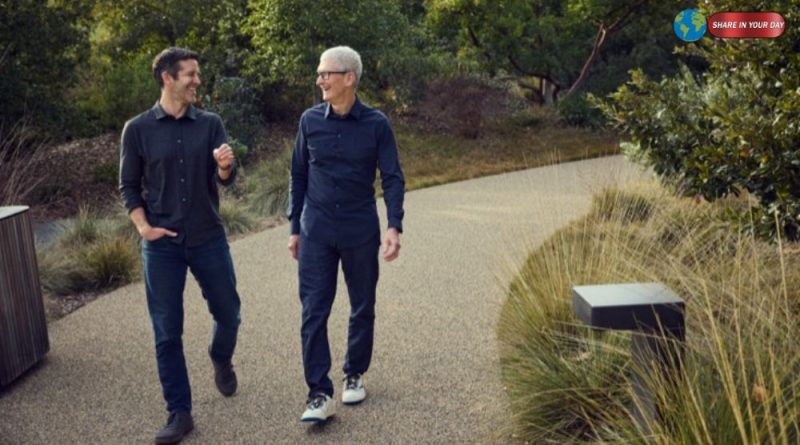
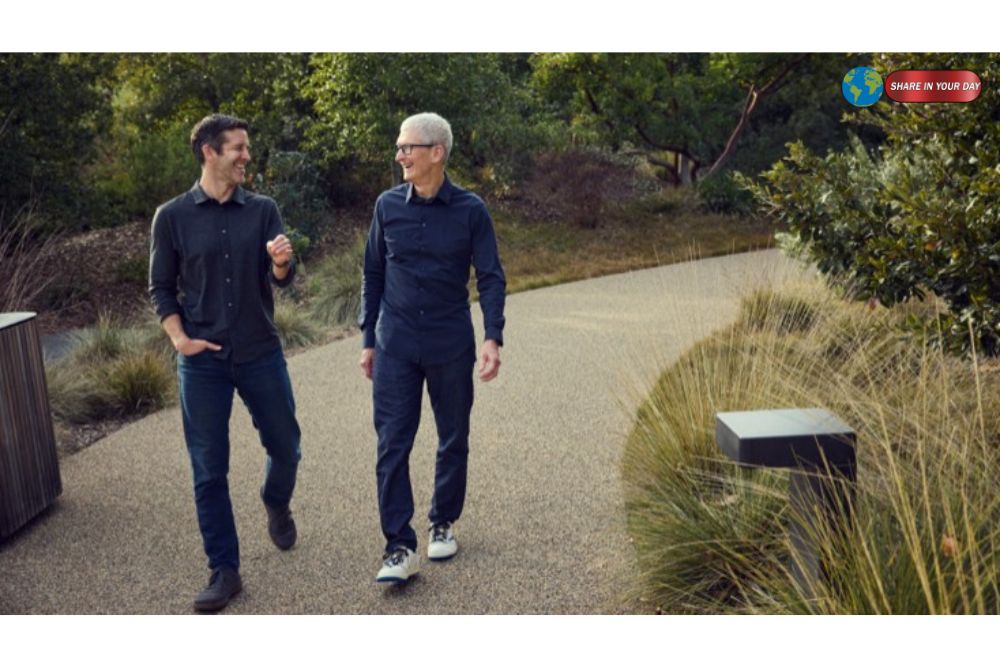
The Apple CEO change in 2026 signals one of the most significant transitions in the tech giant’s modern history, as Tim Cook prepares to step down after 15 years at the helm. According to an official announcement from Apple, Cook will become executive chairman of the board, while John Ternus will take over as chief executive officer starting September 1, 2026.
The decision, approved unanimously by Apple’s board of directors, follows what the company described as a “thoughtful, long-term succession planning process.”
This transition represents not only a leadership change but also a pivotal moment for Apple as it navigates new challenges in artificial intelligence, hardware innovation, and global competition.
Tim Cook’s Legacy: Transforming Apple’s Global Power
When Tim Cook took over as CEO in 2011 following the departure of Steve Jobs, many questioned whether he could sustain Apple’s momentum. Over the next decade and a half, Cook proved those doubts wrong.
Under his leadership, Apple expanded into new product categories, including the Apple Watch and AirPods, while significantly growing its services division. The company also reached unprecedented financial heights, becoming one of the most valuable corporations in the world.
Apple’s stock surged dramatically during Cook’s tenure, increasing roughly twentyfold since he became CEO in 2011.
Beyond financial success, Cook reshaped Apple’s corporate identity. He emphasized privacy, sustainability, and social responsibility, positioning Apple as not just a technology leader but also a values-driven organization.
In a statement reflecting on his tenure, Cook described serving as Apple’s CEO as “the greatest privilege” of his life.
Why Apple Is Making This Move Now
The Apple CEO change did not come as a sudden decision. Instead, it reflects years of internal planning and strategic foresight.
According to Apple’s official statement, the transition is part of a long-term succession strategy designed to ensure continuity and stability.
Cook, who is 65, will remain actively involved in the company as executive chairman. In this role, he is expected to focus on broader strategic initiatives, including policy engagement and long-term vision.
At the same time, Apple faces mounting challenges:
- Increasing competition in artificial intelligence
- Slower innovation cycles in certain product categories
- Regulatory scrutiny in key global markets
The leadership transition allows Apple to address these challenges with fresh operational leadership while maintaining continuity at the board level.
Who Is John Ternus? Apple’s Next CEO
The spotlight now turns to John Ternus, Apple’s incoming CEO and a longtime company veteran.
Ternus joined Apple in 2001 and has spent over two decades rising through the ranks. Most recently, he served as senior vice president of hardware engineering, overseeing the development of core products such as the iPhone, iPad, Mac, Apple Watch, and AirPods.
His deep involvement in Apple’s hardware ecosystem makes him a natural successor, particularly as the company continues to prioritize device innovation.
Ternus is widely respected within Apple for his engineering expertise and leadership style. Analysts note that his appointment signals a renewed focus on hardware-driven growth, including emerging technologies such as augmented reality and AI-integrated devices.
Interestingly, Ternus will assume the CEO role at age 50—the same age Cook was when he took over in 2011.
What Changes Under the New Leadership?
While the Apple CEO change is significant, it does not necessarily signal a dramatic shift in the company’s core philosophy. Instead, it represents an evolution.
Continued Stability
With Cook remaining as executive chairman, Apple ensures continuity in its leadership structure. This dual-role model allows for:
- Strategic oversight from Cook
- Operational leadership from Ternus
This approach mirrors leadership transitions at other major corporations, where outgoing CEOs remain involved to guide long-term strategy.
Greater Focus on Hardware Innovation
Ternus’s background suggests that Apple may double down on hardware innovation. Under his leadership, the company could accelerate development in areas such as:
- Next-generation iPhones
- Wearable technology
- Mixed reality devices
- AI-powered hardware
Navigating the AI Era
One of the biggest challenges facing Apple is the rapid rise of artificial intelligence. Compared to competitors, Apple has been perceived as slower to integrate advanced AI features into its ecosystem.
Ternus’s leadership may mark a turning point, as the company seeks to strengthen its position in this critical area.
Industry Reaction and Market Impact
The announcement of the Apple CEO change has generated significant attention across the tech industry and financial markets.

Who is John Ternus, Apple’s new CEO?

Apple CEO Tim Cook to step down in September

Tim Cook to step down as CEO of Apple: ‘the greatest privilege of my life’

Apple names insider John Ternus to succeed Tim Cook as CEO
Analysts generally view the transition positively, citing Ternus’s deep experience and Apple’s strong succession planning.
Investors, meanwhile, are closely watching how the leadership change will impact Apple’s long-term strategy, particularly in emerging technologies.
Some experts believe the move could reinvigorate Apple’s innovation pipeline, while others emphasize the importance of maintaining the company’s existing strengths.
A Defining Moment in Apple’s History
The Apple CEO change marks the end of an era that began with Steve Jobs and continued under Tim Cook.
Jobs built Apple into a revolutionary company known for groundbreaking products. Cook then transformed it into a global powerhouse with unmatched scale and profitability.
Now, Ternus inherits a company that is both dominant and challenged—leading in many areas but facing increasing competition in others.
This transition represents a new chapter, one that will likely define Apple’s trajectory for the next decade.
What Comes Next for Apple
Looking ahead, several key questions will shape Apple’s future under Ternus:
Can Apple Lead in AI?
As artificial intelligence becomes central to the tech industry, Apple must decide how aggressively to compete in this space.
Will Hardware Innovation Accelerate?
Ternus’s expertise suggests a renewed focus on hardware breakthroughs, which could drive the next wave of growth.
How Will Apple Handle Global Challenges?
From regulatory pressures to supply chain complexities, Apple’s global operations will continue to face scrutiny.
Conclusion: A Strategic Transition, Not a Disruption
The Apple CEO change is not a sudden upheaval but a carefully planned transition designed to ensure long-term success.
Tim Cook’s move to executive chairman allows him to continue shaping Apple’s vision, while John Ternus steps in to lead day-to-day operations.
Together, this leadership structure positions Apple to navigate a rapidly changing technological landscape while building on its legacy of innovation.
As September 2026 approaches, all eyes will be on Apple—not just to see how it adapts, but to see how it leads.