Hantavirus Outbreak Shock: 3 Dead on Cruise Ship
A growing Hantavirus Outbreak aboard the Dutch expedition cruise ship MV Hondius has triggered international concern after three passengers died and health authorities across multiple countries began tracing travelers who disembarked before the virus was confirmed.
The outbreak, linked to the rare Andes strain of hantavirus, has prompted urgent investigations by the World Health Organization (WHO), the U.S. Centers for Disease Control and Prevention (CDC), and several national health agencies. Officials are now racing to locate dozens of passengers who may have been exposed after leaving the vessel during earlier stops.
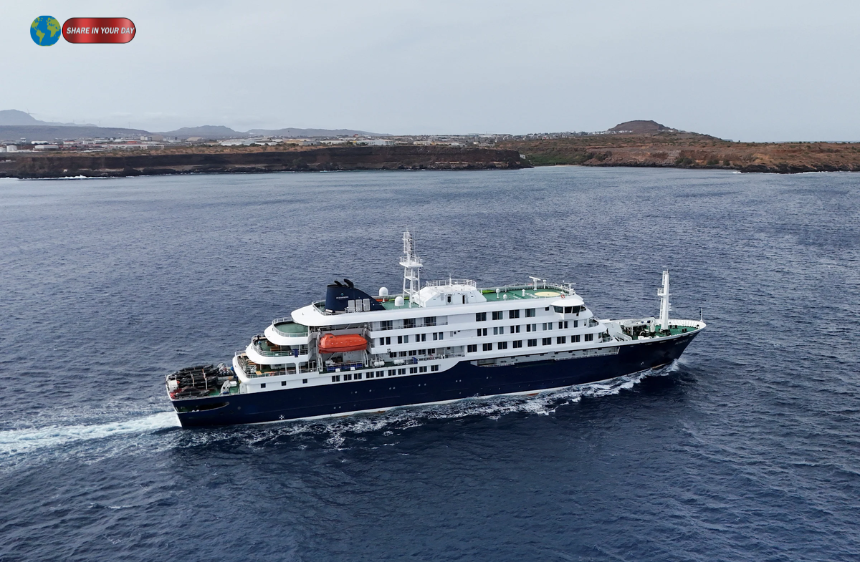
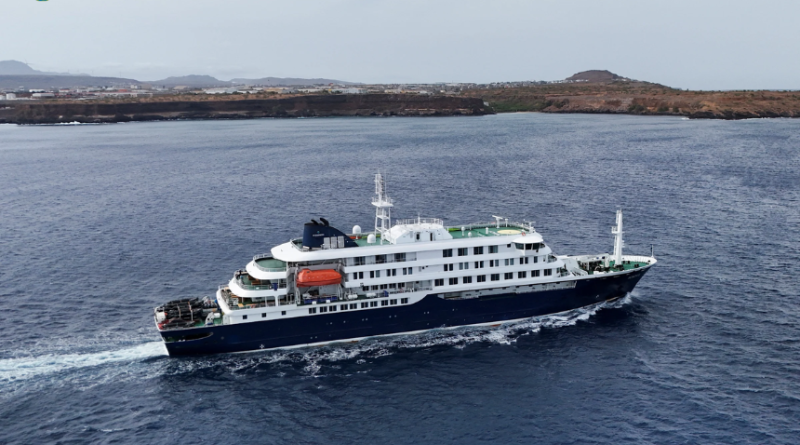
The ship, which departed from Ushuaia, Argentina, in early April, has become the center of a major international public health operation. Experts say the situation remains under control for now, but the unusual nature of the virus has increased global attention.
What Happened on the MV Hondius?
The MV Hondius began its voyage on April 1 as part of a luxury expedition cruise crossing the South Atlantic Ocean. The journey included stops at remote islands and territories before heading toward Europe.
According to WHO reports, the first passenger developed symptoms on April 6 and later died onboard on April 11 after suffering severe respiratory complications. Initially, the death was not publicly linked to hantavirus, and normal ship operations largely continued.
The situation escalated rapidly over the following weeks.
A Dutch woman, believed to be the wife of the first victim, later became critically ill after leaving the ship at Saint Helena. She was flown to Johannesburg, South Africa, where she later died in hospital. A third passenger, identified as a German national, also died during the voyage.
Health officials have since confirmed multiple infections connected to the ship, while several other suspected cases remain under investigation.
Why the Hantavirus Outbreak Is Different
Most hantavirus infections are caused by exposure to rodent urine, saliva, or droppings. Human-to-human transmission is considered extremely rare.
However, the Andes hantavirus strain involved in this outbreak is one of the few known variants capable of spreading between people through close contact. That possibility has significantly increased concern among global health authorities.
WHO officials emphasized that the overall public health risk remains low. Still, the cruise ship environment — where passengers share dining rooms, cabins, and social spaces for extended periods — created conditions that complicated containment efforts.
Medical experts say the outbreak does not currently resemble the early stages of a pandemic. Nevertheless, the unusual transmission concerns have forced countries to increase monitoring efforts.
Countries Search for Disembarked Passengers
One of the most urgent parts of the Hantavirus Outbreak response involves tracking passengers who left the ship before authorities confirmed the virus.
Reports indicate that around 29 passengers from multiple countries disembarked during a stop at Saint Helena and later traveled internationally. Some returned to the United States, United Kingdom, Australia, Singapore, Switzerland, and other countries before isolation measures were introduced.
International contact tracing efforts are now underway.
Several governments have instructed exposed travelers to self-isolate while undergoing testing and medical observation. So far, no confirmed secondary outbreaks outside the ship have been reported.
The CDC is reportedly monitoring the situation closely after several passengers potentially traveled through the United States.
WHO and CDC Monitoring the Situation
The World Health Organization officially classified the incident as a multi-country hantavirus cluster.
According to WHO data, five confirmed cases and several suspected infections have now been linked to the outbreak. The agency said investigations are ongoing to determine how the virus initially entered the ship and whether additional transmission occurred onboard.
Meanwhile, the CDC reportedly activated a Level 3 outbreak monitoring response, which represents its lowest emergency activation level but still signals enhanced international coordination.
Health officials are also working with laboratories in Europe, South America, and Africa to genetically sequence the virus and better understand transmission patterns.
Symptoms of Hantavirus Infection
Hantavirus infections can initially appear similar to flu-like illnesses.
Common symptoms include:
- Fever
- Muscle aches
- Fatigue
- Headaches
- Nausea
- Difficulty breathing
In severe cases, patients may develop hantavirus pulmonary syndrome (HPS), a potentially fatal respiratory condition that can rapidly worsen.
Doctors say early medical attention is critical because symptoms can escalate quickly.
Currently, there is no specific antiviral cure or vaccine approved for hantavirus infections. Treatment usually focuses on supportive hospital care and respiratory assistance.
Cruise Ship Quarantine Raises Concerns
The outbreak has also revived memories of COVID-19-era cruise ship quarantines.
For several days, the MV Hondius remained unable to dock freely while governments debated how to safely evacuate passengers and crew members. Cape Verde initially refused permission for passengers to disembark due to public health concerns.
Eventually, Spanish authorities allowed the vessel to proceed toward Tenerife in the Canary Islands under strict medical supervision.
Passengers remaining onboard reportedly faced isolation measures, health screenings, and movement restrictions as authorities attempted to prevent further spread.
Some passengers criticized the ship’s handling of the situation, arguing that stronger precautions should have been implemented earlier after the first death onboard.
Experts Say Pandemic Risk Remains Low
Despite growing headlines surrounding the Hantavirus Outbreak, infectious disease experts continue stressing that the overall global threat level remains limited.
Unlike highly contagious airborne viruses such as COVID-19, hantavirus generally requires much closer exposure for transmission. Scientists say sustained person-to-person spread remains uncommon, even with the Andes strain.
Public health agencies are encouraging calm while emphasizing the importance of surveillance and rapid response measures.
Experts believe the outbreak likely originated from exposure in South America before passengers boarded the cruise ship. Some investigators suspect rodent exposure during earlier travel in Argentina may have introduced the virus.
Global Health Systems Under Pressure Again
Although officials insist the outbreak is contained, the incident has highlighted the ongoing vulnerability of international travel systems to infectious diseases.
Cruise ships remain particularly challenging environments during outbreaks because of close living conditions, shared facilities, and international passenger movement.
The Hantavirus Outbreak has also reignited debates about:
- Cruise ship health protocols
- International disease reporting
- Border screening procedures
- Emergency quarantine policies
- Global outbreak coordination
Health experts say lessons learned from COVID-19 have improved international cooperation, allowing authorities to respond more quickly than in previous global health incidents.
Could More Cases Appear?
Medical officials are continuing to monitor passengers and crew for additional symptoms.
Because hantavirus incubation periods can vary, authorities warn that more infections may still emerge in the coming days or weeks. However, no evidence currently suggests widespread community transmission outside close-contact environments.
The WHO says monitoring efforts will continue internationally until all potentially exposed travelers complete observation periods.
For now, the focus remains on contact tracing, medical observation, and preventing panic.
What Travelers Should Know
Health agencies say ordinary travelers do not need to avoid cruise travel because of the current outbreak.
However, officials recommend travelers:
- Monitor official health advisories
- Practice good hygiene
- Report respiratory symptoms quickly
- Avoid exposure to rodents or contaminated areas during outdoor travel
Medical experts also emphasize that hantavirus infections remain rare worldwide compared with more common respiratory illnesses.
A Rapidly Developing Situation
The Hantavirus Outbreak aboard the MV Hondius continues to evolve as investigators gather more information about transmission, exposure, and passenger movement.
Three deaths and multiple infections have already made this one of the most closely watched infectious disease events of the year. Still, global health agencies maintain that the broader public risk remains low.
The coming days will likely determine whether the outbreak stays limited to the cruise ship cluster or expands into a wider international health concern.
For now, authorities around the world are moving quickly to ensure exposed passengers are identified, monitored, and treated before the virus can spread further.