Kevin Warsh Fed Hearing: 5 Key Market Signals Revealed
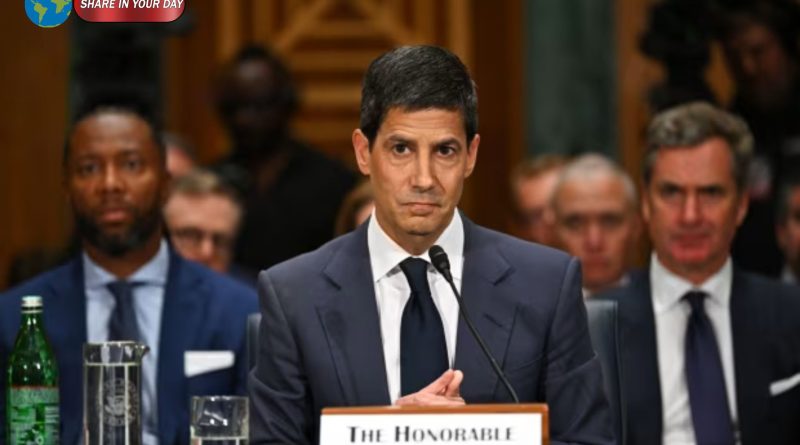
The Kevin Warsh Fed hearing has emerged as one of the most closely watched financial events of 2026, offering investors critical clues about the future direction of U.S. monetary policy. As the Federal Reserve chair nominee faced intense questioning from lawmakers, his remarks sent subtle yet meaningful signals to markets already navigating inflation concerns, political pressure, and global economic uncertainty.
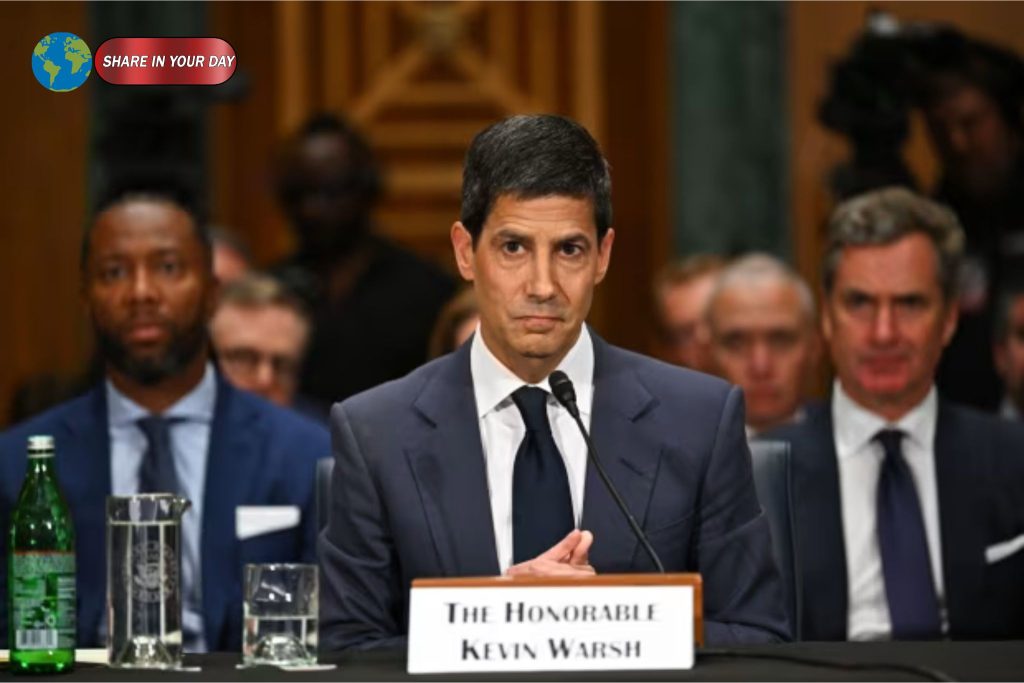
Held before the Senate Banking Committee, the hearing highlighted key themes including inflation control, interest rate policy, Federal Reserve independence, and the growing influence of artificial intelligence on the economy. Investors, economists, and policymakers are now parsing every statement for hints about what lies ahead for the stock market and broader financial system.
Here are five crucial signals revealed during the hearing.
1. Inflation Control Remains the Top Priority
One of the clearest messages from the Kevin Warsh Fed hearing was his unwavering commitment to price stability. In his opening statement, Warsh emphasized that controlling inflation is not optional but a deliberate policy choice.
He described inflation control as the Federal Reserve’s “core responsibility,” signaling a potentially firm stance against persistent price pressures. This reassurance is particularly important for investors who fear that premature rate cuts could reignite inflation.
However, his approach leaves room for interpretation. While he stressed accountability, he avoided committing to specific interest rate paths, leaving markets to speculate on how aggressive future actions might be.
2. Federal Reserve Independence Under the Spotlight
Another dominant theme was the independence of the Federal Reserve. Warsh argued that the Fed’s autonomy depends more on its internal discipline than on external political pressure.
This statement comes amid concerns about political influence, especially given his nomination by former President Donald Trump. Lawmakers from both parties questioned whether the central bank could remain insulated from political agendas.
Warsh pushed back against these concerns, asserting that strong institutional discipline would safeguard independence. For markets, this message is crucial. A politically influenced Fed could lead to unpredictable policy decisions, increasing volatility in stocks and bonds.
3. Interest Rate Policy Remains Uncertain
While Warsh has previously expressed openness to lower interest rates, the hearing provided limited clarity on his immediate plans. He avoided giving direct answers on whether rates should be cut aggressively, even when pressed by senators.
This cautious stance reflects the complexity of the current economic environment. Inflation remains a concern, while economic growth shows mixed signals.
For investors, this ambiguity creates both risk and opportunity. On one hand, uncertainty can lead to short-term market volatility. On the other hand, it allows flexibility for the Fed to respond to evolving economic data.
4. A Push for Federal Reserve Reform
Warsh signaled that significant changes could be coming to how the Federal Reserve operates. He called for a review of the central bank’s policy framework and communication strategies.
This includes reconsidering how often the Fed communicates with the public and how it provides forward guidance on interest rates. Such changes could reshape how markets interpret central bank signals.
Additionally, Warsh warned against “mission creep,” arguing that the Fed should avoid expanding into areas beyond monetary policy, such as fiscal or social issues.
If implemented, these reforms could lead to a more focused and possibly less predictable Federal Reserve, with fewer forward signals guiding investor expectations.
5. Artificial Intelligence Enters the Economic Debate
A surprising but important topic during the Kevin Warsh Fed hearing was the role of artificial intelligence in shaping the economy. Warsh suggested that AI-driven productivity gains could help ease inflationary pressures over time.
However, he also acknowledged that much remains unknown. The Federal Reserve, he said, needs better data and deeper analysis to understand AI’s full impact.
This perspective introduces a new variable into monetary policy discussions. If AI significantly boosts productivity, it could allow for lower interest rates without triggering inflation—a scenario that would be highly favorable for stock markets.
Market Reaction and Investor Sentiment
The stock market’s reaction to the hearing has been cautious but attentive. Investors are balancing optimism about potential rate cuts with concerns about policy uncertainty.
Analysts note that Warsh is walking a “high-wire act,” trying to reassure markets while maintaining credibility as a potential central bank leader.
His comments did not trigger dramatic market swings, but they reinforced the idea that future Fed policy will depend heavily on incoming economic data rather than predetermined plans.
Political Tensions Add Complexity
The hearing also underscored the political challenges surrounding Warsh’s nomination. Lawmakers raised concerns about his financial holdings, potential conflicts of interest, and ties to political figures.
Warsh responded by pledging to simplify his investments and eliminate potential conflicts if confirmed.
These issues could influence not only his confirmation prospects but also market confidence in the Federal Reserve’s leadership.
Why This Hearing Matters for the Stock Market
The Kevin Warsh Fed hearing is not just a political event—it has direct implications for financial markets worldwide.
Interest rates set by the Federal Reserve influence everything from mortgage rates to corporate borrowing costs. They also play a major role in determining stock valuations.
A more dovish Fed (favoring lower rates) typically supports stock market growth, while a hawkish stance (favoring higher rates) can pressure equities.
Warsh’s balanced but cautious tone suggests that markets should prepare for a data-driven approach rather than a clear directional shift.
Key Risks Investors Should Watch
Several risks emerged from the hearing:
- Continued uncertainty around interest rate decisions
- Potential political pressure on the Federal Reserve
- Limited clarity on policy reforms
- Unknown impact of artificial intelligence on inflation
Each of these factors could influence market performance in the coming months.
What Happens Next
Warsh’s confirmation process is still ongoing, with lawmakers expected to continue debating his nomination in the coming weeks.
If confirmed, he would take over leadership of the Federal Reserve at a critical time, facing challenges including inflation, economic growth, and global financial stability.
Markets will continue to monitor his statements closely, looking for clearer signals on future policy direction.
Final Thoughts
The Kevin Warsh Fed hearing delivered a mix of clarity and uncertainty—two elements that often define financial markets.
On one hand, his commitment to inflation control and Fed independence reassured investors. On the other, his reluctance to outline specific policy actions leaves significant questions unanswered.
Ultimately, the hearing reinforced a key reality: the future of the stock market will depend not just on who leads the Federal Reserve, but on how effectively they navigate an increasingly complex economic landscape.